Clear Sky Science · en
Uttroside B, a US FDA-designated ‘Orphan Drug’, mitigates the development of hepatocellular carcinoma and its pulmonary metastasis via EGFR/ERK-mediated inhibition of SREBP-1 and STAT-3
Why this liver cancer study matters
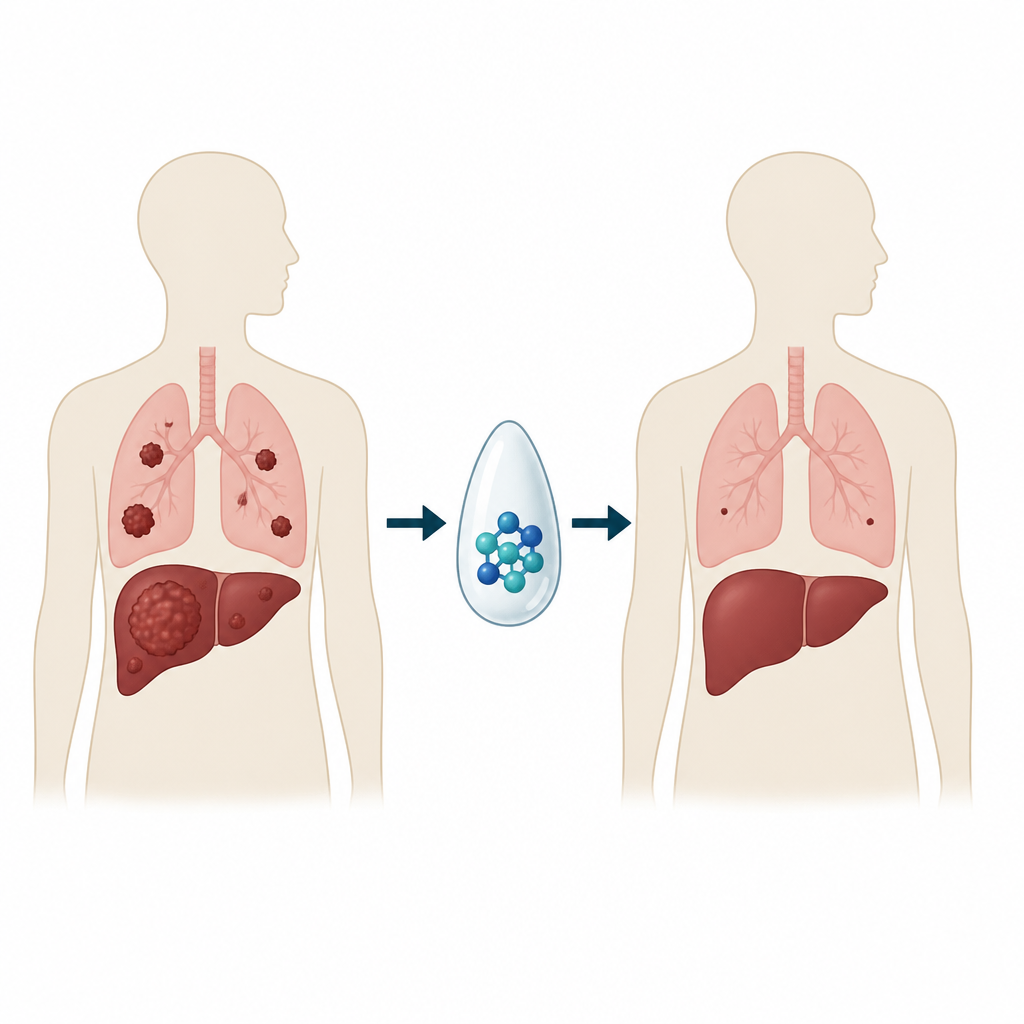
Hepatocellular carcinoma is a common and deadly form of liver cancer that often spreads to the lungs and resists current drugs. This study explores a plant-derived compound called uttroside B, already tagged by the US Food and Drug Administration as an orphan drug, and asks a simple question: can it shut down key growth signals in liver tumors and slow both the main cancer and its spread to the lungs while remaining gentle on the rest of the body?
A new hope from a nightshade plant
Uttroside B is a natural molecule isolated from the common black nightshade plant. Earlier work showed that it can kill liver cancer cells more effectively than sorafenib, a standard first-line treatment, and that it is well tolerated in animals. However, the exact way it works inside cells and whether it can stop tumors from invading and forming distant metastases were not clear. The researchers set out to map the main molecular switches that uttroside B turns off and to test its impact on both primary liver tumors and lung metastases in mouse models that closely mimic human disease.
Shutting down a key growth switch in cancer cells
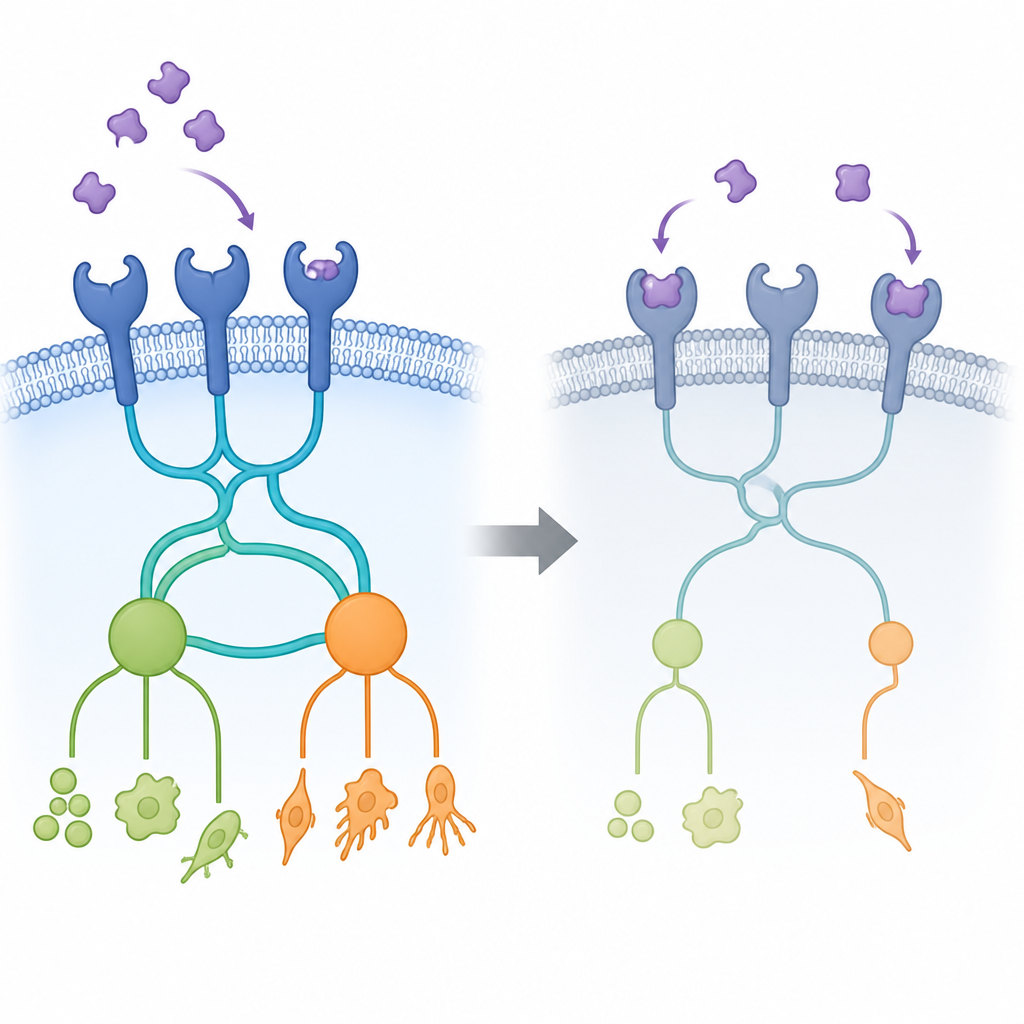
Using broad gene and protein activity screens in human liver cancer cells, the team found that uttroside B strongly dampens several well-known growth and survival routes inside tumor cells. At the center of these lies a surface protein called EGFR, which normally senses growth signals and passes them inward along a chain known as the ERK pathway. This chain in turn boosts molecules that drive fat production and cell division. When cells were treated with uttroside B, EGFR activity and its ERK partners declined, along with downstream factors that control lipid metabolism and cell-cycle progression. Computer docking suggested that uttroside B can fit into the same regions of EGFR targeted by existing inhibitors, hinting at a direct physical interaction with this switch.
Proving the drug’s target and its effects on cell behavior
The team then tested whether blocking EGFR and ERK would alter what uttroside B can do. When they used known chemicals or genetic tools to inactivate EGFR or ERK before adding uttroside B, the compound lost much of its power to kill cancer cells, trigger programmed cell death, and prevent invasion through a protein matrix. In contrast, blocking another pathway, mTOR, did not blunt uttroside B and sometimes even intensified its action. These experiments pinpoint EGFR and ERK as key controllers of uttroside B’s effects. At the same time, uttroside B reversed features that allow cancer cells to detach and migrate: it reduced markers of a mobile, mesenchymal state, increased markers of a more stable, epithelial state, and lowered the activity of STAT3, a protein linked to aggressive spread.
From dishes to mice: stopping liver tumors and lung spread
To see if these cellular changes translate into real disease control, the scientists turned to mice carrying human liver cancer. In an orthotopic model, where human tumor cells are implanted directly into the liver, most untreated animals developed large, poorly differentiated tumors, heavy, fibrotic livers, and high blood levels of liver damage markers. Mice given uttroside B every other day showed strikingly fewer and smaller liver tumors, healthier liver tissue with less scar formation, and near-normal liver and kidney function tests. Tumor samples from treated animals contained fewer dividing cells and much lower levels of active EGFR and ERK, along with extensive DNA fragmentation consistent with apoptosis rather than chaotic tissue death.
Halting cancer’s journey to the lungs
The researchers also created a metastasis model by injecting invasive liver cancer cells into the bloodstream of mice. In controls, the lungs filled with numerous tumor nodules, many showing tissue breakdown associated with aggressive disease. In uttroside B treated mice, only a minority developed lung nodules, and those that did were smaller and less numerous. Lung tissue looked largely normal, and blood tests again showed protected liver and kidney function. Metastatic tumors from treated animals had reduced levels of enzymes that help cancer cells chew through surrounding tissue, as well as decreased active EGFR, ERK, and STAT3, mirroring the changes seen in cell culture.
What this means for patients
Together, these findings suggest that uttroside B acts like a well-aimed brake on a central growth and spread switch in liver cancer. By targeting the EGFR and ERK pathway and linked factors that control fat handling and metastatic traits, the compound not only kills liver cancer cells in the lab but also curbs tumor growth in the liver and limits seeding of new tumors in the lungs in mice, while preserving major organ functions. Although further studies in animals and, eventually, in humans are needed, this work supports uttroside B as a strong candidate for future liver cancer therapies, especially for patients whose tumors are prone to recur and spread.
Citation: Keerthana, C.K., Rayginia, T.P., Kalimuthu, K. et al. Uttroside B, a US FDA-designated ‘Orphan Drug’, mitigates the development of hepatocellular carcinoma and its pulmonary metastasis via EGFR/ERK-mediated inhibition of SREBP-1 and STAT-3. Cell Death Discov. 12, 250 (2026). https://doi.org/10.1038/s41420-026-03055-5
Keywords: liver cancer, hepatocellular carcinoma, EGFR pathway, metastasis, natural compound