Clear Sky Science · en
Th17-driven CD8+ T cells in hUC-MSC and CAR T-cell dual immunotherapy for superior anti-tumor efficacy
Turning the Immune System into a Smarter Cancer Fighter
Cancer therapies that harness a patient’s own immune cells have transformed treatment for certain blood cancers, yet they can still fail when the tumor load is very high and can trigger dangerous side effects. This study explores a new two-cell strategy that teams engineered cancer-fighting T cells with supportive stem cells from umbilical cord tissue, aiming to make treatment both more powerful and safer for people with aggressive B‑cell leukemias and lymphomas.
Why Powerful Immune Therapies Sometimes Fall Short
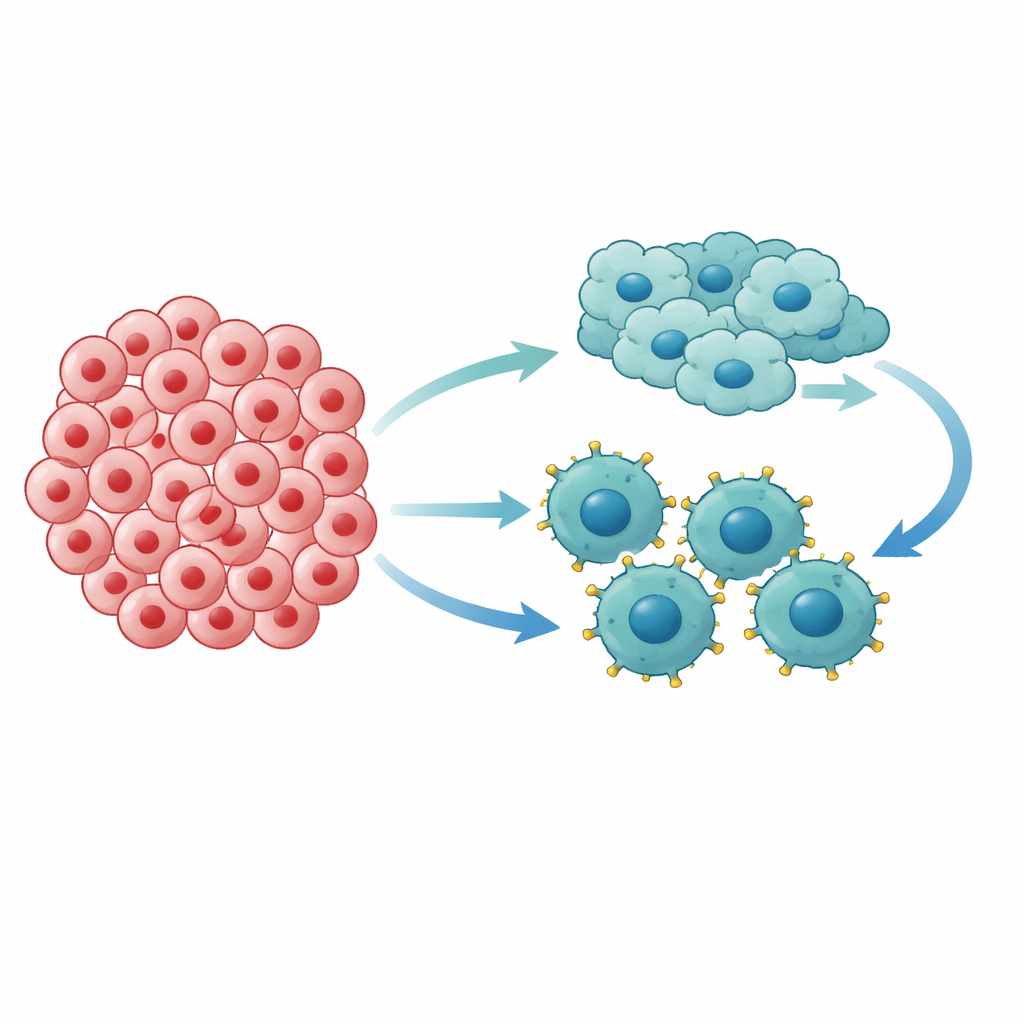
Chimeric antigen receptor (CAR) T cells are custom-built immune cells that recognize and kill cancer cells carrying a specific marker, such as CD19 on B‑cell tumors. In many patients, CD19 CAR T therapy induces deep remissions, but the results are less impressive when the body is packed with cancer cells. Under this heavy load, CAR T cells become overstimulated, lose stamina, and struggle to expand. At the same time, the dying tumor can fuel a surge of inflammatory molecules known as cytokine release syndrome (CRS), which can lead to high fevers, dangerously low blood counts, and organ damage. Current approaches usually tweak a single cellular pathway or use drugs that tame inflammation but may also blunt the therapy’s power. The authors therefore looked for a way to support CAR T cells and calm harmful inflammation at the same time.
Recruiting Umbilical Cord Stem Cells as Immune Allies
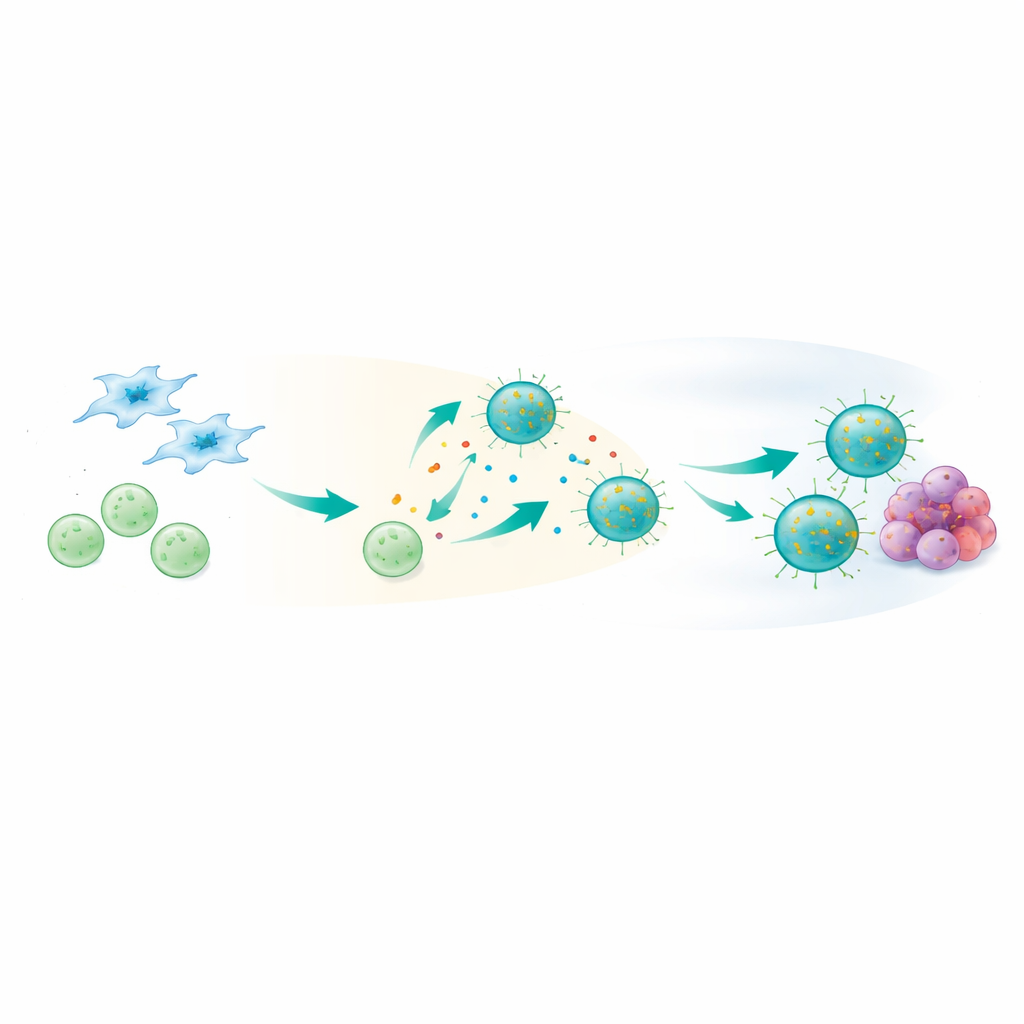
The researchers turned to human umbilical cord–derived mesenchymal stem cells (hUC‑MSCs), a type of support cell already used clinically for their ability to modulate immune responses and help blood-forming tissues recover. In lab dishes, they grew human CD19 CAR T cells together with B‑cell lymphoma cells and hUC‑MSCs. At ratios mimicking a high tumor burden, adding hUC‑MSCs made CAR T cells better at repeatedly killing cancer cells, without directly speeding tumor growth. In mouse models carrying large numbers of human B‑cell lymphoma or leukemia cells, animals that received both CAR T cells and hUC‑MSCs lived longer, had lower tumor signals, and showed milder drops in platelets—a common and serious treatment side effect—than mice treated with CAR T cells alone. Interestingly, the benefit nearly disappeared when the initial tumor load was low, suggesting this dual approach is especially suited for patients facing heavy disease.
Rewiring Killer T Cells into a More Potent Form
To understand how the stem cells were reshaping the immune attack, the team profiled the genes switched on in thousands of individual CAR T cells. They found that, in the presence of hUC‑MSCs under high tumor conditions, CAR T cells showed stronger signatures of activation, cell division, and cancer cell destruction. A particularly important change was the rise of a subset of CD8+ T cells with features of both T cells and natural killer (NK) cells—potent killers that the authors term NK‑like cytotoxic T lymphocytes. These cells expressed more molecules associated with punching holes in targets and less of the exhaustion markers that usually signal a burned-out immune response. The shift toward this vigorous subset was tied to activity in the so‑called Th17 pathway, a branch of the immune system that produces the cytokine IL‑17 and can help sustain long-lived, aggressive T‑cell responses.
A Helpful but Tightly Controlled Inflammatory Boost
The dual therapy also altered the surrounding immune chemistry. In culture, CAR T cells mixed with hUC‑MSCs and tumor cells released higher levels of cytokines that promote Th17 differentiation. Blocking a key Th17‑linked factor, the RORγt protein, reduced IL‑17 production, shrank the NK‑like CD8+ subset, and weakened tumor killing both in dishes and in mice, indicating that a carefully tuned Th17 response was central to the benefit. Yet when the same model was pushed into severe CRS by combining very high tumor burden with very high CAR T‑cell doses, pre‑treating mice with hUC‑MSCs actually lessened illness and death. The stem cells dampened inflammatory pathways inside macrophages—frontline immune cells that help drive CRS—reduced the flood of certain cytokines and chemokines, and limited the influx of neutrophils and other inflammatory cells into organs, all without blocking CAR T‑cell expansion.
Balancing Stronger Tumor Control with Lower Risk
For non-specialists, the key message is that pairing CAR T cells with umbilical cord stem cells can both sharpen and soften the immune response in a useful way. The stem cells coax CAR T cells into a more durable, NK‑like killer state that works especially well against large tumor burdens, while at the same time calming overactivated macrophages that fuel toxic cytokine storms. This dual action improved survival and blood recovery in animal models and reduced signs of dangerous systemic inflammation, all without obvious harm to the anti‑cancer effect. Although more work is needed before this strategy reaches patients, the study points to a future in which cellular therapies are delivered as coordinated teams rather than single agents, offering stronger tumor control with a safer overall treatment experience.
Citation: Hu, C., Zhang, H., Zhu, H. et al. Th17-driven CD8+ T cells in hUC-MSC and CAR T-cell dual immunotherapy for superior anti-tumor efficacy. Cell Death Dis 17, 418 (2026). https://doi.org/10.1038/s41419-026-08656-7
Keywords: CAR T-cell therapy, B-cell lymphoma, mesenchymal stem cells, cytokine release syndrome, cancer immunotherapy