Clear Sky Science · en
Impact of anti-T-lymphocyte globulin dosing on graft versus host disease in matched sibling peripheral blood stem cell transplantation
Why this research matters for patients and families
For people with blood cancers such as leukemia or myelodysplastic syndromes, a stem cell transplant from a brother or sister can offer a chance of cure. Yet this life-saving procedure carries a serious risk: the donor’s immune cells can attack the patient’s body, causing a complication called graft-versus-host disease. Doctors often use a drug mixture called anti-T-lymphocyte globulin before transplant to calm these donor cells, but the best dose has not been clear. This study asks a simple, patient-centered question: in transplants from matched siblings, does using more of this drug make life after transplant safer without raising the chance that the cancer comes back?
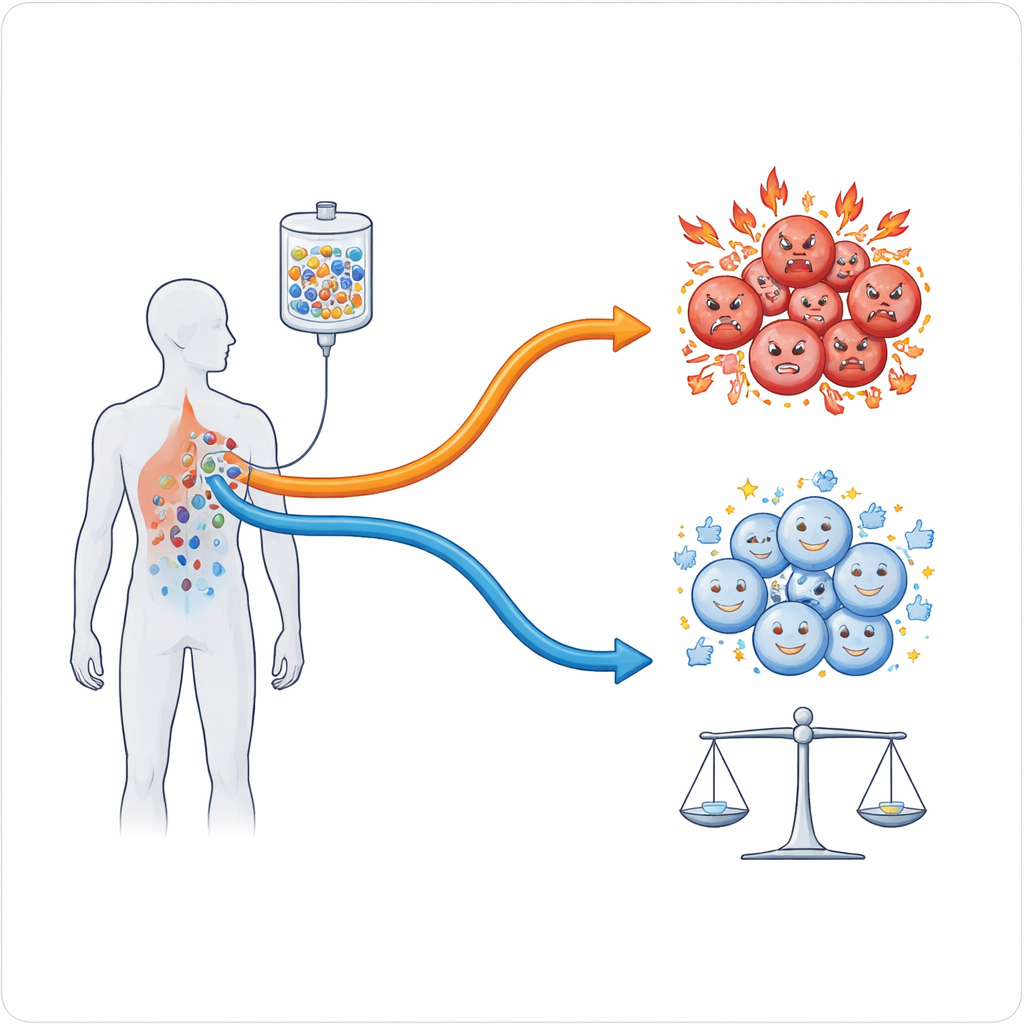
Two doses, one key question
The researchers looked back at 165 adults with blood cancers who received stem cell transplants from a fully matched brother or sister at a single German hospital. All patients received stem cells collected from the bloodstream and a standard background of immune-suppressing medicines. What differed was the amount of anti-T-lymphocyte globulin they were given before transplant: about half received a lower dose (15 milligrams per kilogram of body weight) and the rest a higher dose (30 milligrams per kilogram). The team compared how quickly blood counts recovered, how often and how severely graft-versus-host disease appeared, how many patients relapsed, and how many were alive and cancer-free over time.
Early recovery versus long-term side effects
Patients who received the lower drug dose recovered their white blood cells and platelets slightly faster, often by just a few days. This faster “engraftment” can matter when infection risk is high. However, when the researchers looked at longer-term complications, an important difference emerged. The overall chance of developing any form of chronic graft-versus-host disease was similar between the two groups. But the lower-dose group had more cases that were moderate or severe—serious enough to interfere with daily life or require stronger treatment. The higher dose clearly reduced these more troublesome, long-lasting immune attacks.
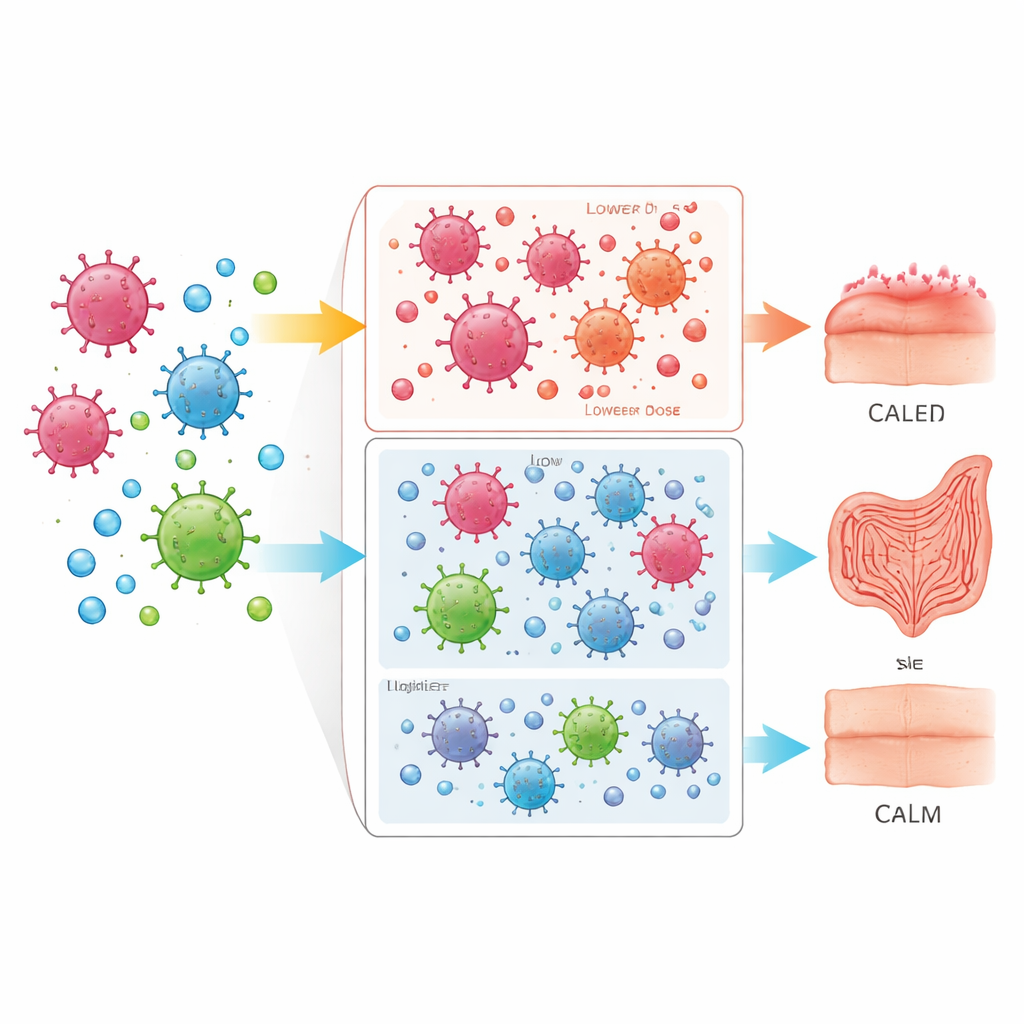
Survival, relapse, and quality of life
Crucially, using more of the drug did not appear to blunt the beneficial “graft-versus-tumor” effect. Rates of cancer relapse were similar whether patients received the lower or higher dose, and so were overall survival and survival without cancer progression. When the researchers used more advanced statistical methods to account for differences between patients—such as disease risk, age, and how intensive their pre-transplant treatment was—the higher dose remained linked to fewer serious chronic complications. It also improved a combined outcome measure that counts patients who are alive, free of relapse, and free of severe graft-versus-host disease, a yardstick that better reflects life quality after transplant.
Testing the findings in more focused groups
Because different cancers and treatment plans can influence outcomes, the team performed subgroup analyses. They repeated the comparisons in patients with acute myeloid leukemia or myelodysplastic syndromes who did not receive total body irradiation as part of their preparation. Even in this more uniform group, the higher dose was associated with less moderate to severe chronic graft-versus-host disease, especially after stronger (“myeloablative”) pre-transplant regimens. These checks support the idea that the dose effect is real and not just a quirk of how the patients happened to differ.
What this means going forward
In plain terms, the study suggests that, for adults receiving a stem cell transplant from a matched sibling, doubling the dose of anti-T-lymphocyte globulin from 15 to 30 milligrams per kilogram can lower the risk of serious, long-lasting immune complications without sacrificing survival or increasing the chance that the cancer returns. Patients may trade a slightly slower early recovery of blood counts for a better chance at a more stable, less treatment-heavy life in the years after transplant. Because this research comes from a single center and looks back in time, the authors emphasize that larger, prospective trials across multiple hospitals are needed before firm dosing rules are set. Still, their findings provide an important signpost toward safer, more tolerable transplants for people facing life-threatening blood cancers.
Citation: Massoud, R., Klyuchnikov, E., Heidenreich, S. et al. Impact of anti-T-lymphocyte globulin dosing on graft versus host disease in matched sibling peripheral blood stem cell transplantation. Bone Marrow Transplant 61, 426–436 (2026). https://doi.org/10.1038/s41409-025-02761-5
Keywords: stem cell transplantation, graft-versus-host disease, anti-T-lymphocyte globulin, hematologic malignancies, chronic GVHD