Clear Sky Science · en
Epigenome-wide association study of psilocybin-induced methylome changes in alcohol use disorder
Why this study matters to people
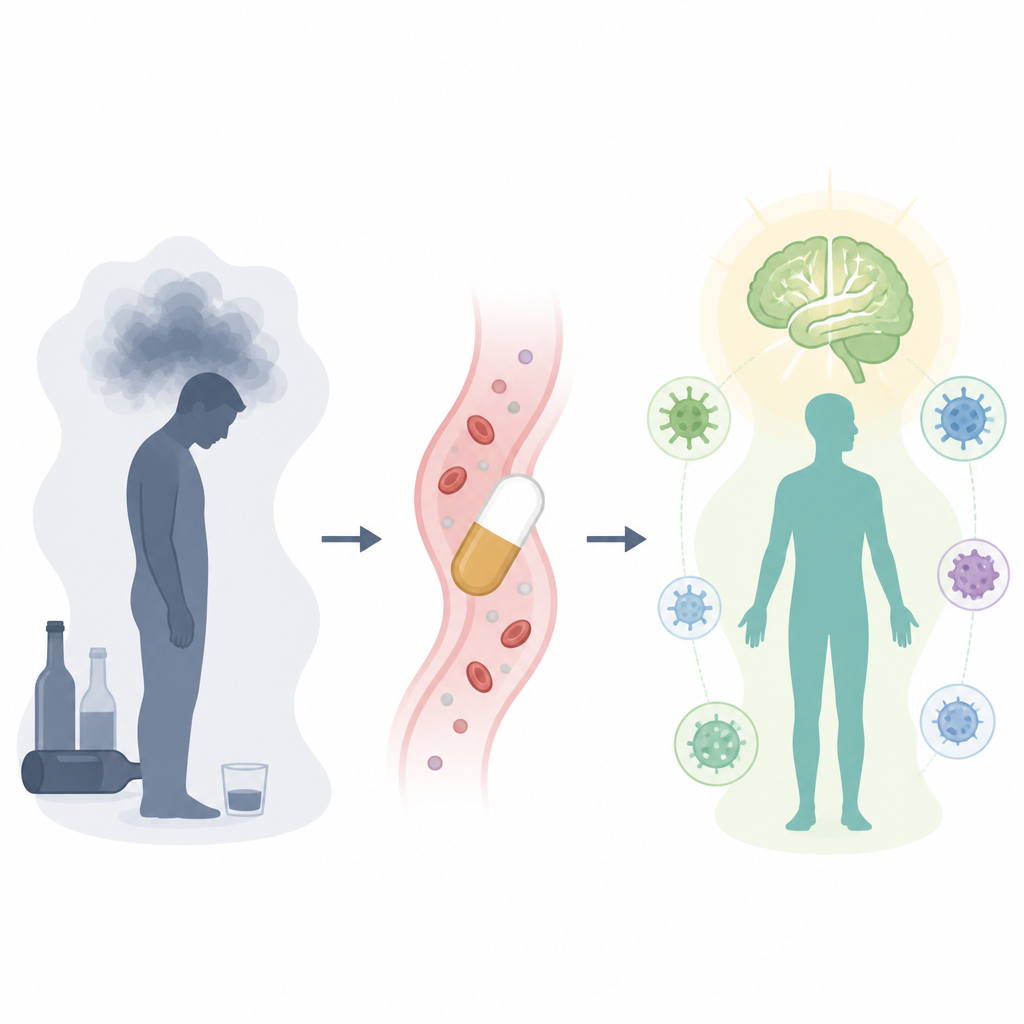
Psychedelic drugs like psilocybin are being tested as new tools to help people with alcohol problems and depression, often after just one or two guided sessions. This study asks a deeper question: does psilocybin leave tiny, lasting marks on our biology that might help explain why some people feel better for weeks after a single dose?
Looking at marks on our DNA
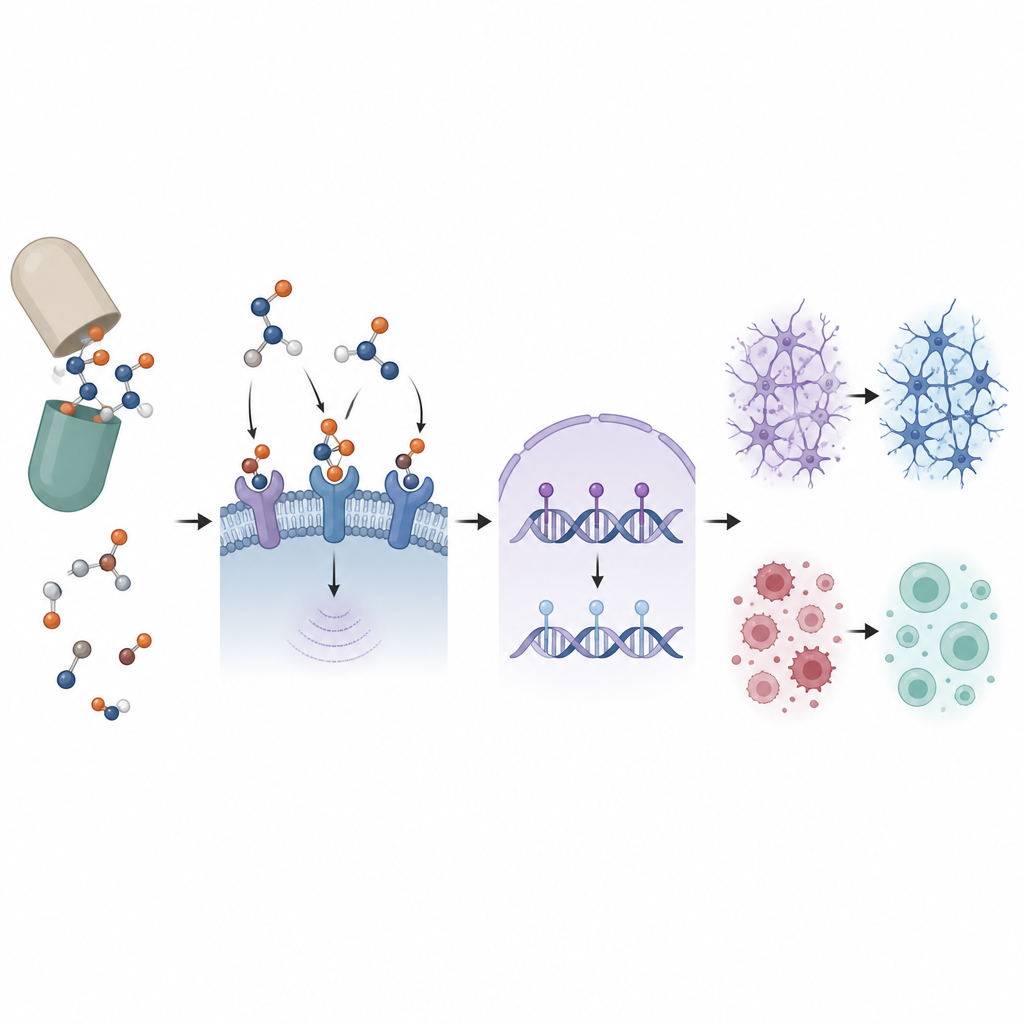
The researchers focused on DNA methylation, a type of chemical tag that can subtly dial genes up or down without changing the DNA code itself. They studied 37 people with alcohol use disorder who had recently completed detox and took part in a tightly controlled clinical trial in Zurich. Participants were randomly given either psilocybin or an inactive placebo, both combined with psychotherapy, and had blood drawn before treatment, one day after, and about a month later. Alongside tracking alcohol use, the team measured depression and hopelessness scores to see how mood changed over time.
What happened in the clinic
In this trial, psilocybin did not clearly outperform placebo on the main drinking outcomes, such as how long people stayed alcohol free or how much they drank in the four weeks after dosing. However, people who received psilocybin reported a stronger drop in depression and hopelessness compared with those who received placebo. Because depression often goes hand in hand with alcohol problems, this improvement in mood still made the trial a valuable test bed for looking at underlying biological shifts, even if the headline alcohol measures did not change as hoped.
Tracing subtle changes in gene control
The team scanned hundreds of thousands of methylation sites across the genome in blood cells. They found a handful of spots where methylation changed over time in a way that differed between the psilocybin and placebo groups. One notable site sat within a gene called TLE4, which is involved in brain development, nerve cell identity, and immune regulation. Another small region near a gene called RASGRP4, important for certain immune cells, showed higher methylation a day after psilocybin. Although these shifts were modest and did not prove cause and effect, they hint that psilocybin might lightly tune genes tied to brain wiring and immune function.
Patterns linked to mood and drinking
Rather than looking only at single points on the genome, the researchers also grouped methylation sites that tended to move together. Some of these clusters were linked to psilocybin treatment, while others were tied to changes in depression scores or drinking behavior regardless of treatment. The modules associated with mood improvement and alcohol use often contained genes related to brain plasticity, nerve signaling, and the immune system. In a closer look at selected “candidate” genes, the team saw small methylation shifts near the serotonin 2A receptor, a key target of psychedelics, and near the inflammatory messenger TNF, again pointing toward both brain and immune pathways.
Clues about who might benefit
The researchers also explored whether baseline methylation patterns could distinguish people who stayed abstinent after psilocybin from those who did not. In this small, highly exploratory analysis, they saw differences at sites linked to genes involved in brain plasticity and several neurotransmitter systems. These early hints suggest that preexisting molecular patterns might one day help predict who is more likely to benefit from psychedelic-assisted therapy, although much larger studies are needed to test this idea.
What this means going forward
This pilot study does not show that psilocybin rewrites our genes or definitively explains its therapeutic effects. Instead, it offers early clues that a single psilocybin session in people with alcohol use disorder is accompanied by fine-grained changes in chemical tags on DNA, especially in genes tied to serotonin signaling, immune activity, and brain plasticity. If future, larger trials confirm these patterns, such methylation marks in blood could help scientists track how psilocybin influences the body and guide the search for safer, more targeted treatments for people struggling with both alcohol problems and depression.
Citation: Urban, M.M., Zillich, L., Rieser, N.M. et al. Epigenome-wide association study of psilocybin-induced methylome changes in alcohol use disorder. Transl Psychiatry 16, 283 (2026). https://doi.org/10.1038/s41398-026-03961-3
Keywords: psilocybin, alcohol use disorder, DNA methylation, psychedelic therapy, immune signaling