Clear Sky Science · en
Acute hemodynamic effects of TPN171H in pulmonary arterial hypertension: a randomized, controlled, phase 2a trial
Why this new heart–lung study matters
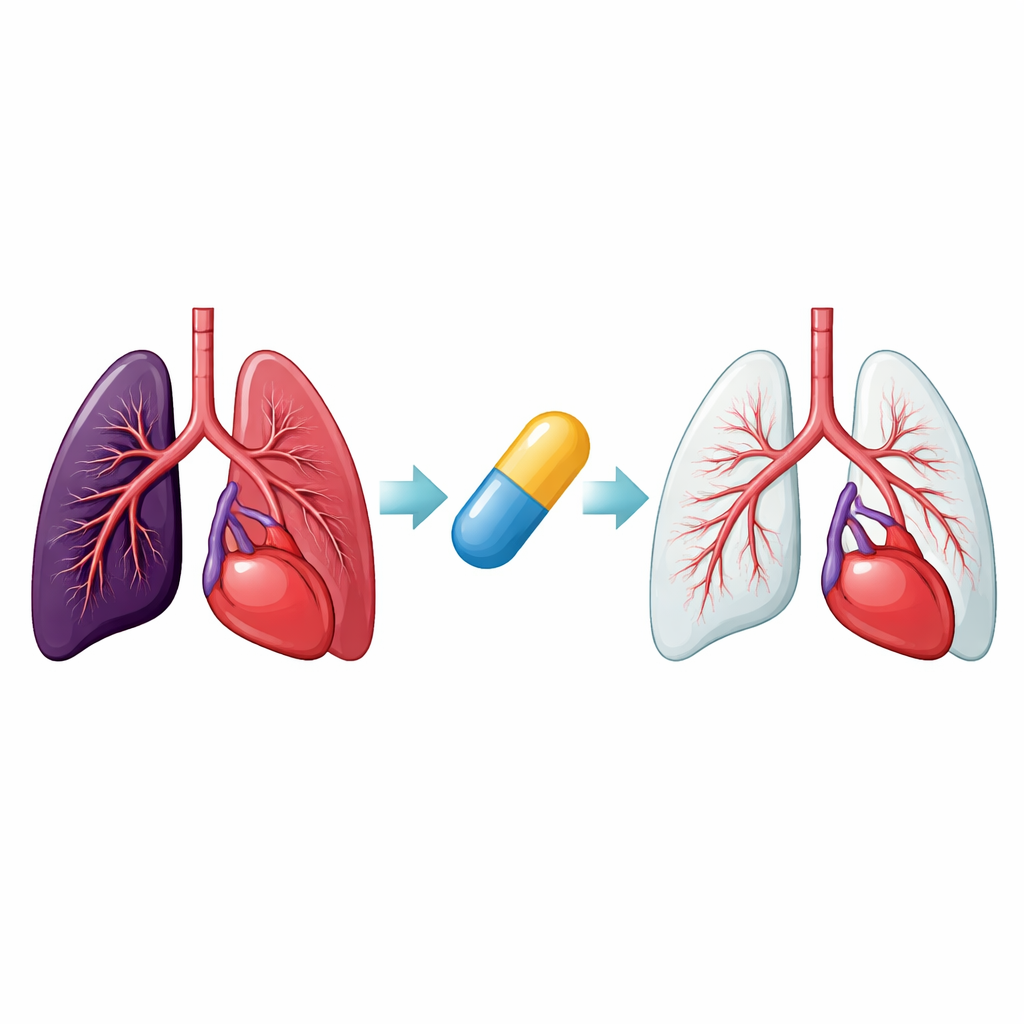
Pulmonary arterial hypertension is a rare but deadly disease in which the blood vessels inside the lungs become dangerously tight. This forces the right side of the heart to pump harder and harder, often leading to heart failure and early death. Despite several modern drugs, many patients still get worse or cannot tolerate treatment. This study tests a new medicine, TPN171H, derived from a traditional Chinese herb, to see whether a single dose can quickly ease pressure in the lung circulation without causing serious side effects.
An old remedy, redesigned for a modern illness
TPN171H comes from Epimedium, a herb long used in traditional Chinese medicine, now chemically refined into a precise compound. Laboratory work showed that TPN171H strongly blocks an enzyme called PDE5, which helps control how blood vessels widen and narrow. In animal models of high lung pressure, the drug lowered pressure in the right side of the heart and reduced thickening of lung vessels. A first-in-human trial in healthy volunteers suggested the medicine was well tolerated and stayed in the body long enough for once‑daily dosing. These early signals paved the way for testing the drug directly in patients living with pulmonary arterial hypertension.
How the trial was carried out
Researchers in China ran a small, early‑stage clinical study at seven specialist centers. They enrolled 60 adults with moderate to severe pulmonary arterial hypertension, most of them young women with idiopathic (unexplained) disease. None were on other targeted drugs for this condition, so the effects of the study medicines could be seen clearly. Participants were randomly assigned to six groups of ten people: three doses of TPN171H (2.5, 5, or 10 milligrams), two doses of the approved drug tadalafil (20 or 40 milligrams), or placebo. After a heart catheter was placed to directly measure pressures and blood flow, patients took a single oral dose and had their lung and body circulation tracked closely over 24 hours.
What the researchers measured
The main yardstick was pulmonary vascular resistance, a measure of how hard it is for blood to move through the lung vessels. The team looked at the largest percentage drop from baseline in each patient. They also examined the ratio of lung vessel resistance to whole‑body vessel resistance, which reflects how selectively a drug acts on the lungs versus the rest of the body. Other measures included overall blood pressure in the lungs, how much blood the heart pumped per minute, and how much oxygen remained in blood returning to the heart, an indicator of how well the circulation was working.
Key results from a single dose
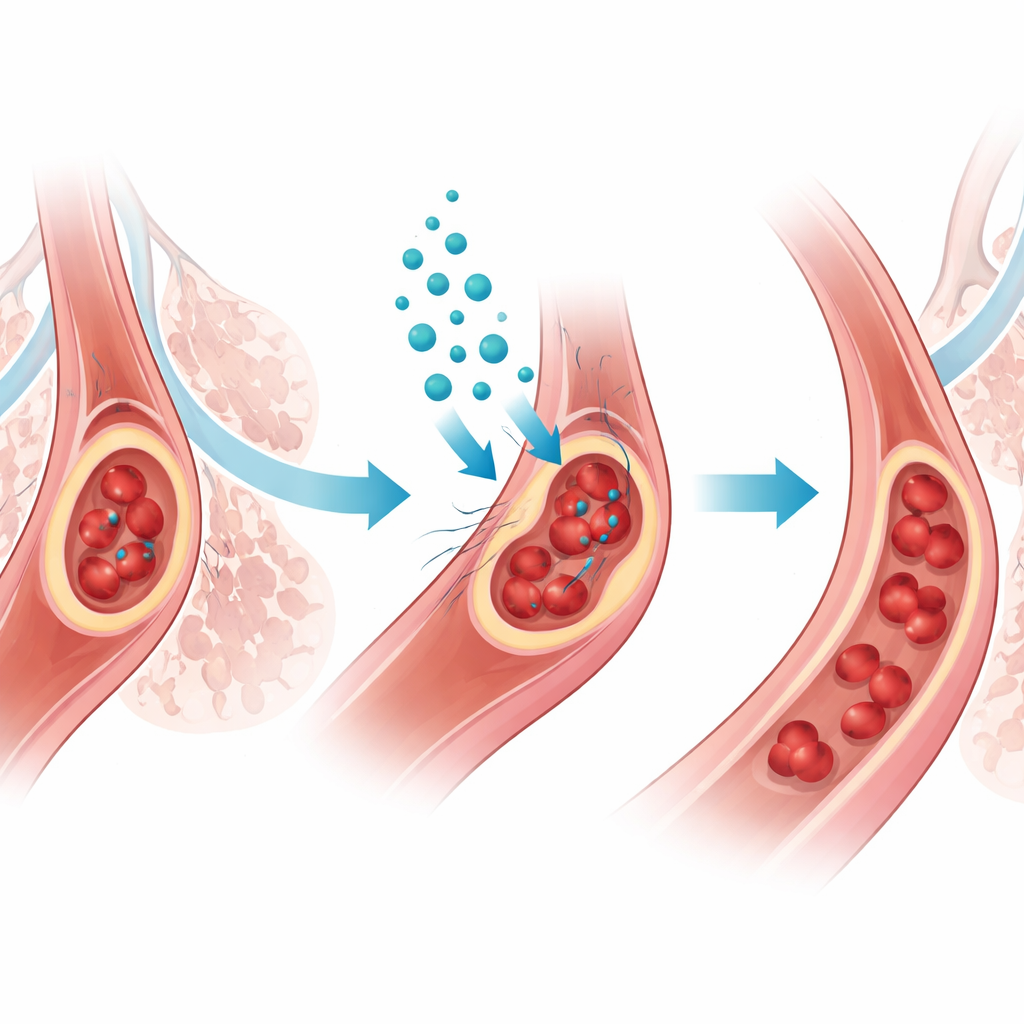
All active treatments lowered resistance in the lung vessels, but the clearest and most consistent benefit came from the 5‑milligram dose of TPN171H. Compared with placebo, this dose produced about a 17 percent extra reduction in lung vessel resistance, similar in size to the effect seen with tadalafil. However, only TPN171H at 5 milligrams significantly reduced the lung‑to‑body resistance ratio at several time points, suggesting it relaxed lung vessels more than systemic vessels. It also lowered average lung blood pressure and modestly improved oxygen levels in venous blood, without significantly dropping overall body vessel resistance or clearly changing how much blood the heart pumped. Higher and lower TPN171H doses did not perform as well, likely because of variable drug levels and the small number of patients in each group.
Safety signals and open questions
Across all groups, side effects were generally mild and temporary. In the TPN171H arms, the most frequent complaints were headache, flushing, nausea, minor changes in lab tests, and urinary discomfort, patterns similar to existing drugs in the same class. No serious safety events occurred, and even the highest TPN171H dose was tolerated in this short study. Still, the trial looked only at single‑dose effects over one day in a narrow, mostly young population without background therapy. It did not test whether the drug improves symptoms, exercise ability, or survival when taken for months or years.
What this means for patients and next steps
For people living with pulmonary arterial hypertension, these findings offer an early but hopeful sign. A carefully engineered descendant of a traditional herb, TPN171H at 5 milligrams showed it can quickly ease pressure in lung vessels, appears to act mainly where it is needed, and did not cause serious harm in the short term. While this does not yet prove that the drug will help patients live longer or feel better, it provides the crucial first proof that the medicine works as intended in the human lung circulation. Larger and longer trials, including people already on standard therapies, will be needed to learn whether TPN171H can become a reliable new option in the fight against this devastating disease.
Citation: Zhou, YP., Qiu, LH., Ma, W. et al. Acute hemodynamic effects of TPN171H in pulmonary arterial hypertension: a randomized, controlled, phase 2a trial. Sig Transduct Target Ther 11, 171 (2026). https://doi.org/10.1038/s41392-026-02686-5
Keywords: pulmonary arterial hypertension, vasodilator therapy, PDE5 inhibitor, traditional Chinese medicine, hemodynamics