Clear Sky Science · en
The evolving global landscape of first-in-class oncology drug innovation
New hope from novel cancer medicines
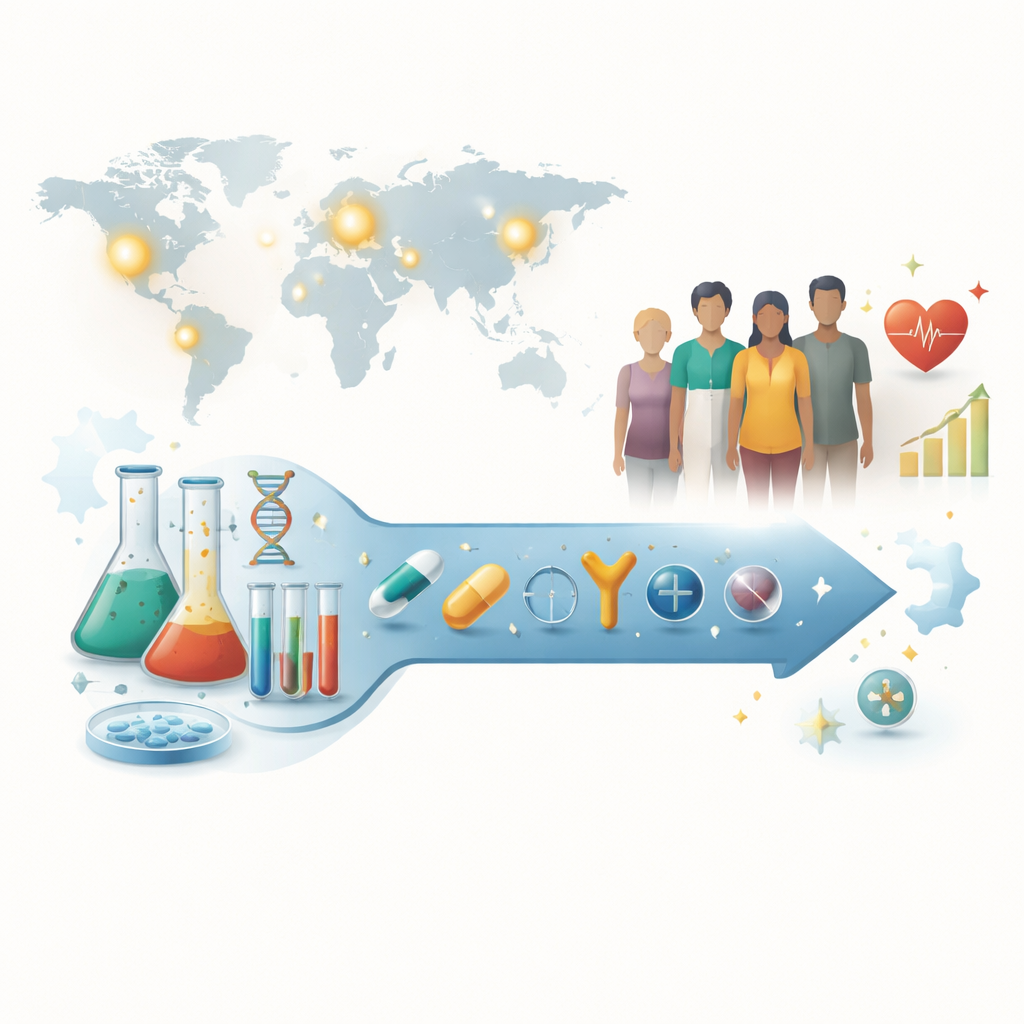
Cancer care has changed dramatically over the past few decades, and a growing share of that progress comes from “first-in-class” medicines that work in completely new ways. This review looks at how such trailblazing cancer drugs have spread around the world since 2009, what kinds of ideas power them, and what still stands in the way of turning cutting-edge science into treatments that patients everywhere can actually receive.
How cancer treatment has shifted over time
Earlier cancer drugs mainly acted like blunt tools, killing fast-growing cells throughout the body and causing heavy side effects. The first-in-class medicines of the last 15 years mark a clear shift toward smarter, more focused strategies. These newer drugs are often designed around precise features of cancer cells or the immune system. The review traces this journey from classic chemotherapy to targeted pills, immune-based treatments, and “living drugs” made from a patient’s own cells. Each wave of innovation has changed not just which drugs doctors use, but how researchers think about cancer as a disease that can be tackled at many weak points instead of just one.
Four big ideas behind today’s breakthrough drugs
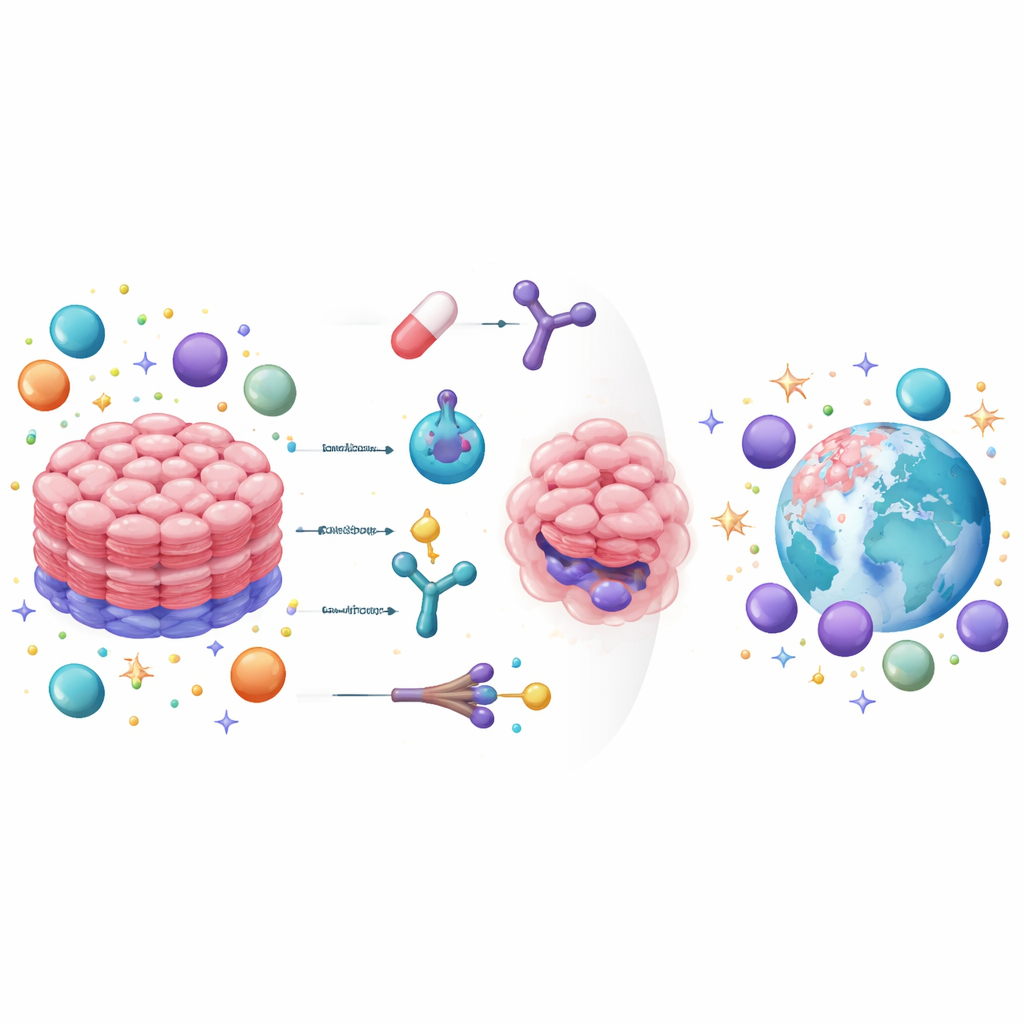
The authors group new cancer medicines into four easy-to-grasp patterns. Some drugs go after brand-new targets that no previous therapy touched, such as certain immune brakes or DNA repair switches. Others are built to hit specific genetic changes that make tumors resist older treatments. A third group uses new formats, including cell and gene therapies, antibody–drug “smart bombs,” and protein-degrading pills, to attack known targets in more powerful ways. The fourth pattern combines more than one target at once, for example with dual-action antibodies that block two growth signals or link a cancer cell to a killer immune cell. Together, these four ideas help explain why the drug pipeline now looks far more varied and creative than it did a decade ago.
Where new drugs are appearing and for which cancers
Since 2009, 93 first-in-class cancer drugs have been approved somewhere in the world, and the pace has quickened. The United States is still the main launch site, with Japan, China, and Europe often following. Many of these medicines were first tested in blood cancers such as leukemia, lymphoma, and multiple myeloma. These diseases lend themselves to precise targeting and offer clearer early signs of success, which helps speed approvals. Solid tumors like lung and breast cancer also feature heavily, especially when they carry well-understood genetic changes. In recent years, tissue-agnostic drugs have appeared that focus on a shared molecular feature, such as an unusual DNA repair defect or a rare gene fusion, no matter where in the body the tumor started.
What is coming next in the drug pipeline
Behind the approved medicines lies a much larger group of more than 1,500 potential first-in-class candidates now in clinical trials. Compared with older waves of innovation, these pipeline drugs rely less on discovering brand-new biological targets and more on new ways of acting on them. Cell and gene therapies, bispecific antibodies, antibody–drug conjugates, and protein degraders now make up a growing share. Many of these tools are being used to tackle targets once labeled “undruggable,” such as certain key cancer-driving proteins and transcription factors. At the same time, the overall success rate from early human testing to approval remains low, reflecting how often complex tumors adapt around even well-designed drugs.
Obstacles, smart tools, and fair access
The review highlights three stubborn problems: the difficulty of finding targets that are both biologically important and safely druggable, the poor track record of many treatments when they move from lab models into real patients, and the deep gaps in access between wealthy countries and the rest of the world. To address these issues, researchers are increasingly turning to artificial intelligence to sift through vast genetic and medical datasets for promising targets and drug designs. They are also building more realistic disease models and exploring smarter trial designs. International programs are starting to speed up approvals across multiple regions, but high prices and limited treatment infrastructure still keep many patients from benefiting.
What this all means for people with cancer
In plain terms, this article shows that the toolbox for treating cancer is growing not just larger but more inventive. First-in-class drugs are opening doors to attack tumors through new routes, revive older targets with better tools, and tailor treatment to specific weaknesses in a person’s cancer. The authors argue that the biggest gains over the next decade will come from combining artificial intelligence, advanced drug formats, and stronger global cooperation. If these pieces come together, more patients in more places could see earlier access to safer, more effective cancer therapies that are built from the ground up around how their disease actually works.
Citation: Mao, X., Wang, Z., Kong, S. et al. The evolving global landscape of first-in-class oncology drug innovation. Sig Transduct Target Ther 11, 174 (2026). https://doi.org/10.1038/s41392-026-02606-7
Keywords: cancer drugs, first-in-class therapies, targeted therapy, immunotherapy, drug innovation