Clear Sky Science · en
Diabetes, hyperglycemia, and brain MRI biomarkers: results from SOL-INCA MRI study
Why blood sugar and brain scans matter
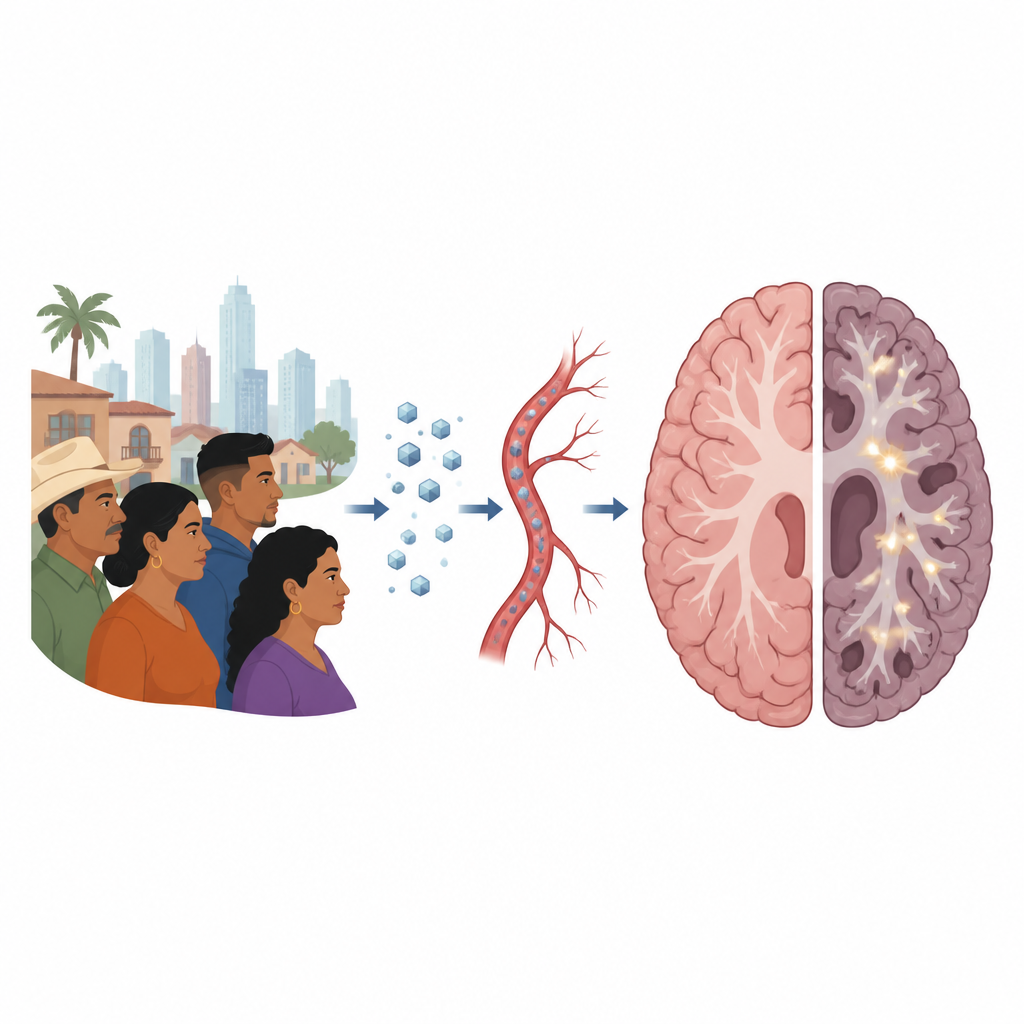
Many people know that diabetes can harm the heart, eyes, and kidneys, but fewer realize it can also quietly change the brain. This study used detailed brain scans to explore how diabetes and long term high blood sugar relate to subtle signs of brain damage in Hispanic and Latino adults, a group that faces especially high rates of both diabetes and dementia.
Who was studied and what was measured
The researchers drew on a large community study of more than 2600 Hispanic and Latino adults, aged 35 to 85, living in four US cities. Participants had blood tests about a decade earlier, which showed whether they had diabetes, prediabetes, or normal blood sugar, and what their average blood sugar level (HbA1c) was. Years later, they underwent brain MRI scans that can reveal both overall brain size and tiny changes in the brain’s wiring and fluid spaces. The team focused on brain volume, spots of damage in the white matter that connects brain regions, and measures of how water moves through brain tissue, which can signal early injury.
Signs of wear and tear in brain tissue
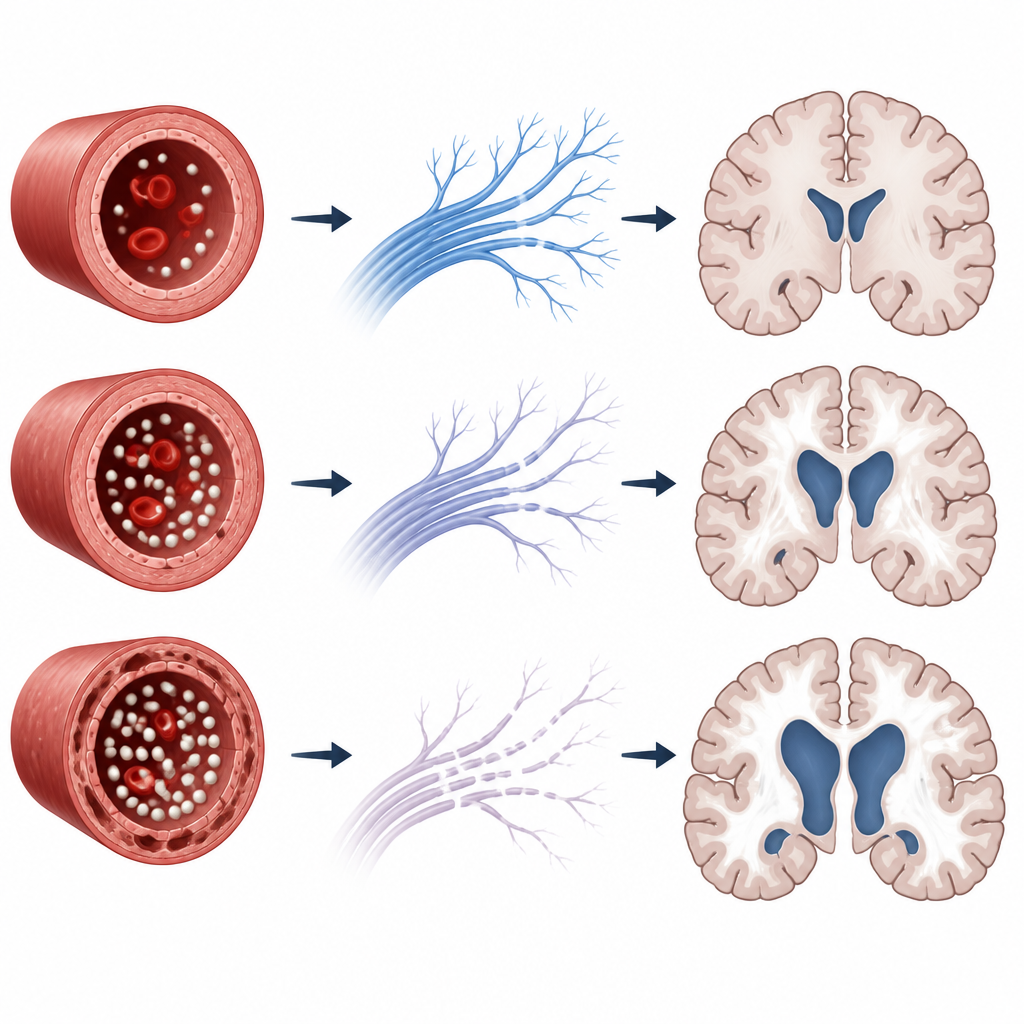
When the scientists compared people with diabetes to those without, they saw a clear pattern of greater brain changes in the diabetes group. On average, people with diabetes had smaller total brain volume and smaller volumes of certain regions near the front and back of the brain. They also had larger fluid filled spaces in the center of the brain, called ventricles, which often grow as the surrounding tissue shrinks. The scans showed more white matter spots linked to small vessel disease, a condition in which tiny blood vessels in the brain are damaged, raising the risk of stroke and thinking problems.
Hidden changes in the brain’s wiring
Beyond visible spots and size changes, the MRI scans captured more subtle damage to the brain’s wiring. In people with diabetes, water in the white matter appeared less organized and more spread out, suggesting that the fibers that carry signals between brain regions were less healthy. These microstructural changes were linked to both having diabetes and to higher HbA1c levels, even in some people who did not meet full criteria for diabetes. The findings held up when the researchers took into account age, sex, weight, activity level, education, and other health factors such as blood pressure and smoking.
Differences by age and blood sugar level
The impact of diabetes on the brain was strongest in adults aged 50 and older, who had likely lived with high blood sugar for longer. In this group, diabetes was consistently tied to smaller brain volumes and more white matter damage. Younger adults with diabetes also showed some early changes, particularly in the brain’s wiring, hinting that damage may begin decades before symptoms appear. Prediabetes alone showed far fewer links to brain injury, but when the team looked at HbA1c levels, people with moderately to strongly elevated values tended to have worse brain markers than those with very low levels, suggesting a gradual effect of long term high blood sugar.
What this means for brain health
Taken together, the results paint a picture in which diabetes and long term high blood sugar contribute to both small vessel disease and slow loss of brain tissue in Hispanic and Latino adults. White matter spots, altered brain wiring, and shrinking brain volume have all been linked in other research to higher risks of stroke, thinking problems, and dementia. For lay readers, the message is that blood sugar control is not just about preventing heart attacks or vision loss, but also about protecting the brain. Because Hispanic and Latino communities face high rates of undiagnosed and untreated diabetes, improving detection and management could be an important step toward lowering future dementia burden in these populations.
Citation: González, K.A., Tarraf, W., Banks, S.J. et al. Diabetes, hyperglycemia, and brain MRI biomarkers: results from SOL-INCA MRI study. Nutr. Diabetes 16, 12 (2026). https://doi.org/10.1038/s41387-026-00415-z
Keywords: diabetes, brain MRI, Hispanic Latino health, small vessel disease, cognitive decline risk