Clear Sky Science · en
Hypocretin receptor 1 blockade early in abstinence prevents incubation of cocaine seeking and normalizes dopamine transmission
Why cravings can grow even after quitting
People often assume that once someone stops using cocaine, the hardest part is over. In reality, cravings for the drug can actually grow stronger over the first days and weeks of abstinence, raising the risk of relapse just when a person is trying to stay clean. This study in rats explores why that happens in the brain’s reward system and tests whether briefly blocking a specific brain signal right after quitting can stop those growing cravings before they take hold.
Rats, cues, and growing desire
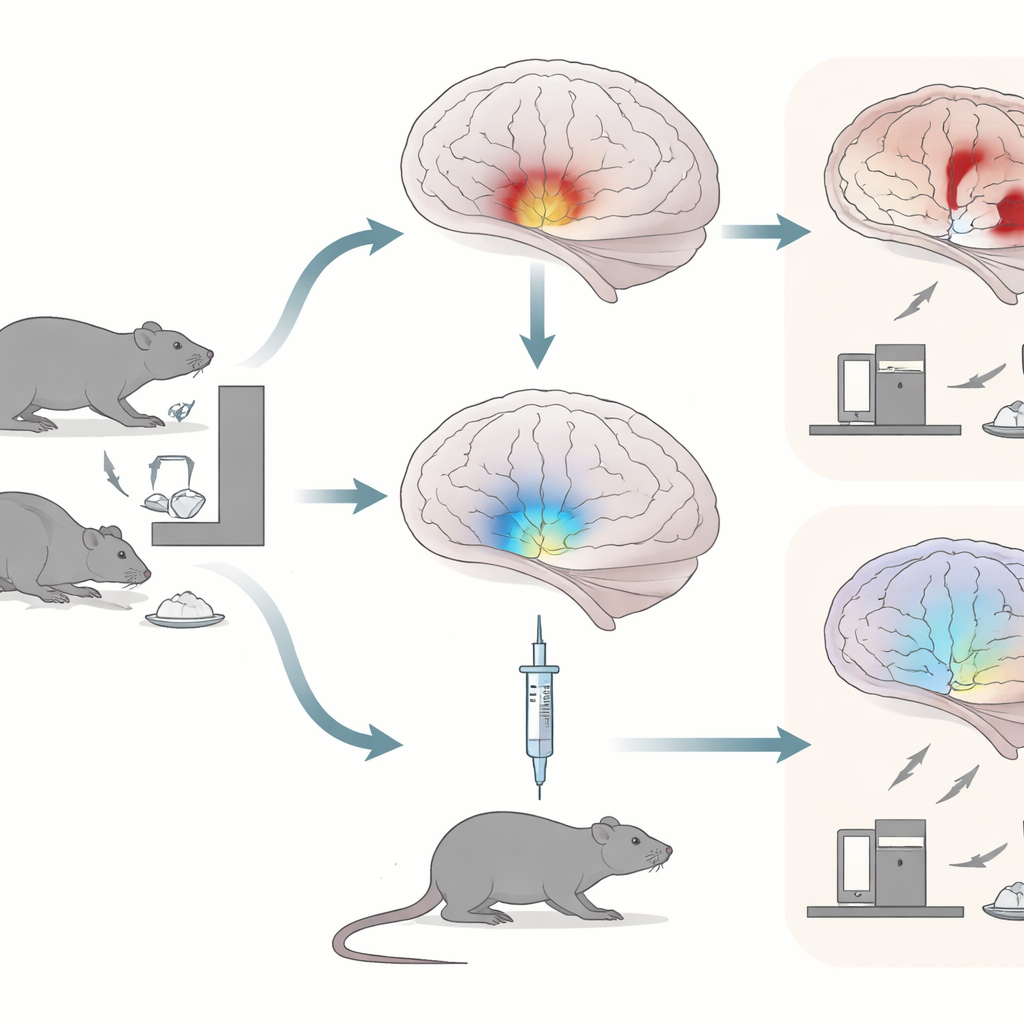
The researchers used a rat model that closely mimics the binge-like, on‑and‑off pattern of cocaine use seen in many people. Rats learned to press a lever to receive cocaine, paired with lights and other cues. After a week of this intermittent access, the animals were forced to abstain. On the first and eighth days without cocaine, they were put back in the chambers, where pressing the lever produced only the familiar cues, not the drug. Many rats pressed the lever far more on day eight than on day one, showing an "incubation" of cocaine seeking: cue‑triggered desire that intensifies over time. Not all rats showed this increase, allowing the scientists to compare brains of “incubated” and “non‑incubated” animals.
What changed in the brain’s reward hub
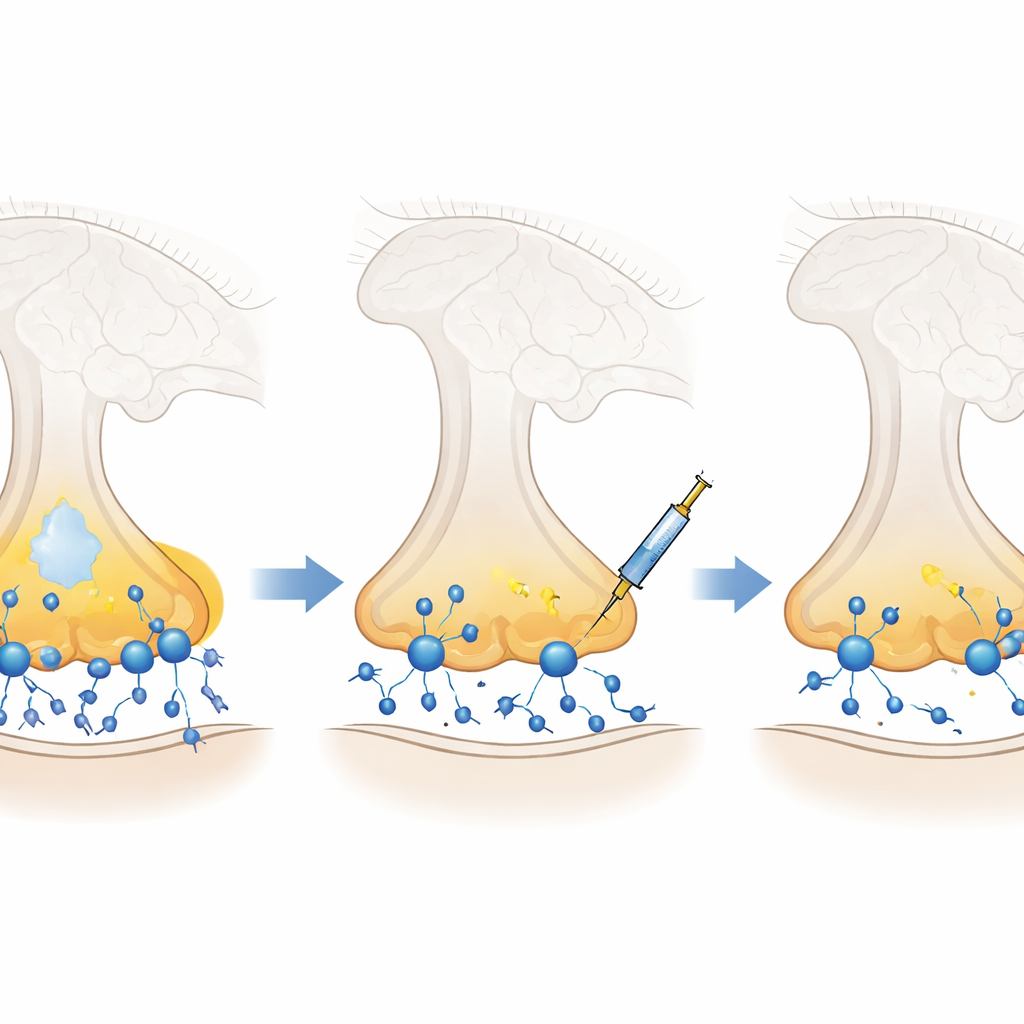
The team focused on the nucleus accumbens, a key reward center rich in the chemical messenger dopamine. Using a fast electrochemical recording method in brain slices, they measured how quickly dopamine was cleared from the space between cells and how strongly it responded to cocaine. Rats that showed incubated seeking had faster dopamine clearance and a stronger effect of cocaine on this clearance than drug‑naive animals or rats that did not incubate. Biochemical tests revealed that these incubated rats also had more of the dopamine transporter—the molecular pump that pulls dopamine back into cells—and more of it in a chemically "switched on" form. In contrast, rats that did not develop stronger seeking looked much like animals that had never had cocaine. This suggests that the risky rise in craving is tied specifically to changes in dopamine handling, not just to having used the drug.
Turning down a wake‑and‑motivation signal
The researchers then asked whether they could interfere with this process early, before the brain changes fully took hold. They targeted hypocretin (also called orexin), a chemical produced in the hypothalamus that promotes arousal and motivation and connects strongly to dopamine cells. A single injection of a drug called RTIOX‑276, which blocks hypocretin receptor 1, was given right after the first abstinence‑day seeking test. Importantly, this treatment did not change how much cocaine the rats had taken beforehand. One week later, when the rats were tested again with the cocaine‑linked cues, those that had received a harmless vehicle solution showed the usual rise in lever pressing. In sharp contrast, rats that got RTIOX‑276 did not show this incubation of cocaine seeking.
Resetting dopamine handling with a brief treatment
The team next examined whether this one‑time hypocretin blockade also altered dopamine signaling. In treated rats, dopamine in the nucleus accumbens was taken back up more slowly, and the dopamine transporter was less sensitive to cocaine, compared with vehicle‑treated animals. Biochemical analyses showed lower overall levels of the transporter and its activated form after RTIOX‑276. In other words, the same brief intervention that prevented the rise in cue‑driven cocaine seeking also prevented or reversed the dopamine changes that had been seen only in rats with incubated craving.
What this could mean for people trying to quit
To a non‑specialist, the main message is that the brain does not simply "cool off" after cocaine use stops. For many individuals, reward circuits become increasingly tuned to drug‑related cues in the first days of abstinence, making relapse more likely. In this rat study, blocking one particular signaling pathway—the hypocretin receptor 1—just once at the very start of abstinence stopped both the buildup of craving and the associated dopamine distortions a week later. While much work remains before such an approach could be tested in humans, the results suggest that short‑term, well‑timed treatments aimed at this system might help protect people during the especially fragile early period of quitting, when cravings are quietly growing stronger.
Citation: Clark, P.J., Migovich, V.M., Das, S. et al. Hypocretin receptor 1 blockade early in abstinence prevents incubation of cocaine seeking and normalizes dopamine transmission. Neuropsychopharmacol. 51, 1123–1134 (2026). https://doi.org/10.1038/s41386-025-02315-9
Keywords: cocaine craving, dopamine, orexin hypocretin, addiction relapse, rat self administration