Clear Sky Science · en
A large-scale DNA methylation study of alcohol use identified robust associations and cell-type specific insights
Why alcohol leaves a mark in our blood
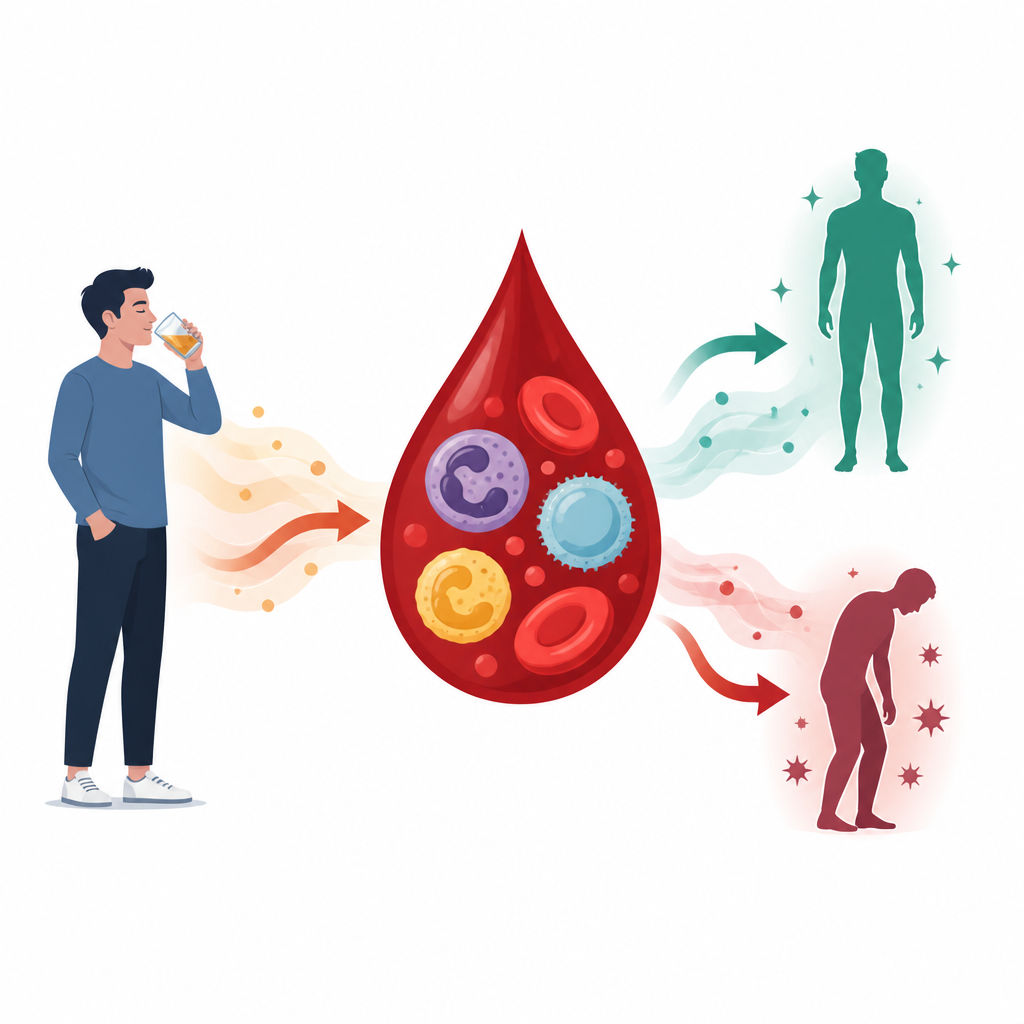
Many people know that heavy drinking can damage the liver, brain, and other organs, but the body’s earliest responses are harder to see. This study shows that alcohol use leaves tiny chemical marks on our DNA that can be detected in blood. By tracking these marks across nearly 14,000 people, researchers begin to explain how regular drinking connects to health problems and point toward possible new treatment targets.
Small chemical tags with big consequences
Every cell in the body carries the same DNA, yet cells behave differently because some genes are turned on while others are turned off. One way the body manages this is through DNA methylation, the addition of small chemical tags to DNA. These tags do not change the genetic code, but they help control when genes are active. Prior work suggested that alcohol can reshape these tags, creating a kind of biological memory of drinking that may linger long after the last drink.
A very large look at alcohol and DNA
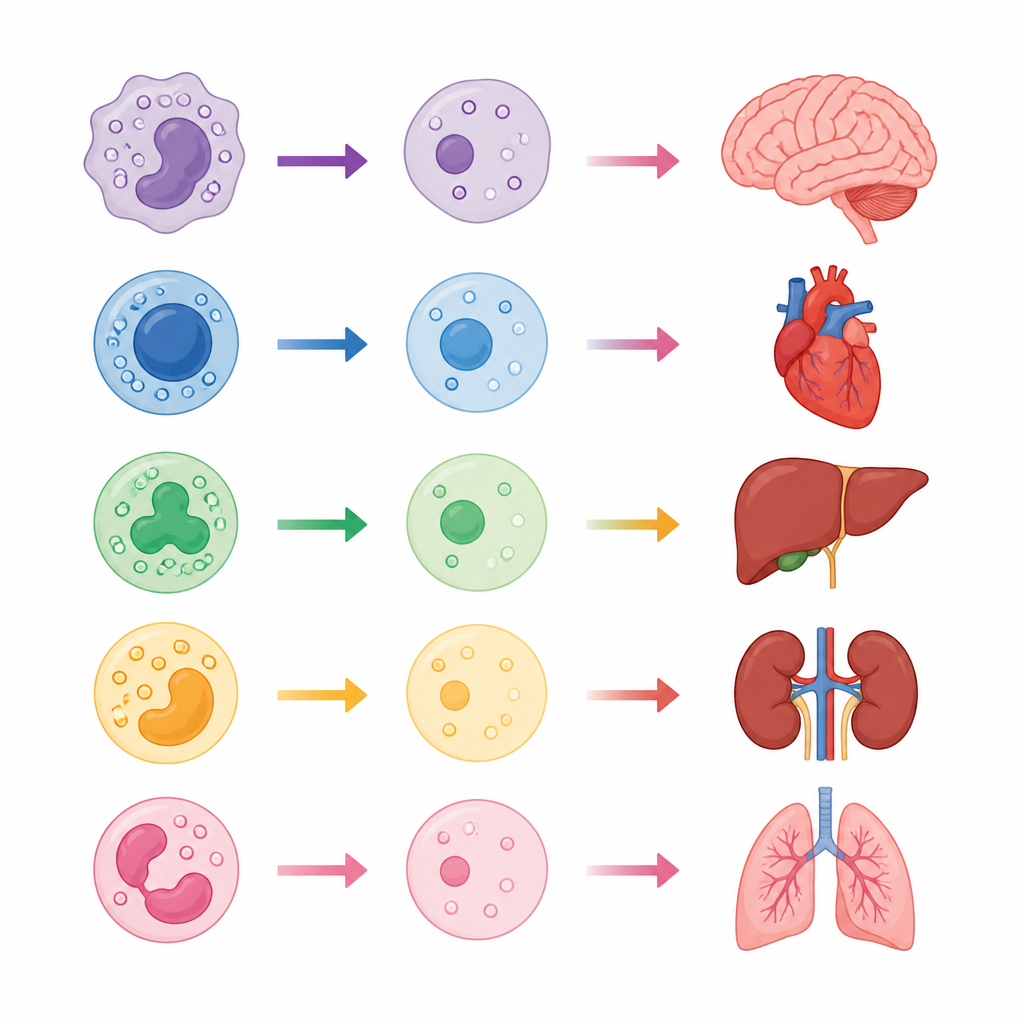
To dig deeper, the team performed the largest DNA methylation survey of alcohol use so far. Nearly 14,000 adults mailed in drops of blood and answered a brief question about how often they drink, from never to regularly. The scientists scanned over half a million spots across the genome for methylation changes linked to drinking frequency, carefully adjusting for age, sex, smoking, blood cell makeup, and technical factors. They also used a statistical technique called epigenomic deconvolution to estimate results separately in twelve types of blood cells, such as several kinds of T cells, B cells, and granulocytes.
Signals shared across blood cell types
In whole blood the researchers found 1,266 locations where methylation was strongly tied to how often people drank. Fewer but still important signals appeared when looking at individual cell types: for example, eight in neutrophils and eight in a subtype of CD8 T cells, with smaller numbers in other cells. Many of these signals overlapped across related cell types, suggesting that alcohol produces coordinated changes rather than affecting just a single kind of cell. One standout site sat in a gene called SLC7A11, which helps cells import building blocks that protect against oxidative stress. Less methylation at this site in whole blood, and in certain cells, was linked to more frequent drinking and matched results from an earlier, independent study.
Clues to stress pathways and brain links
Other notable marks appeared in PDIA5, a gene that helps cells respond when proteins misfold during stress, and in genes involved in pathways called Rho GTPase signaling, which influence the shape and connections of nerve cells. When the researchers compared their blood-based findings with large genetic studies of alcohol traits, they saw the strongest overlap with traits tied to problematic drinking and alcohol use disorder, rather than with simple measures of drinks per week. They also detected enrichment of their DNA methylation hits in genes active in key brain areas involved in addiction, hinting that changes in blood may mirror related changes in the brain.
What this means for health and future research
Overall, the study shows that regular alcohol use is associated with robust and widespread changes to DNA methylation in blood and across many immune cell types. These changes cluster in genes that help cells manage oxidative stress, protein quality control, and cell shape, and they align more with harmful patterns of alcohol use than with casual drinking. The work does not prove that these methylation marks cause disease, but it suggests that they may record alcohol exposure and could someday guide risk assessment or treatment strategies. Long term studies that follow people before and after they begin drinking will be needed to untangle which marks signal inherited risk and which are direct footprints of alcohol on the body.
Citation: Clark, S.L., Ramachandruni, S., Schettini, G.P. et al. A large-scale DNA methylation study of alcohol use identified robust associations and cell-type specific insights. Mol Psychiatry 31, 3506–3515 (2026). https://doi.org/10.1038/s41380-026-03477-8
Keywords: alcohol use, DNA methylation, blood cells, epigenetics, alcohol use disorder