Clear Sky Science · en
The structure and function of taste G protein-coupled receptors and their implications in diseases
Why taste receptors matter beyond the tongue
Most of us think of taste as something that happens only on the tongue—sweet desserts, bitter medicines, and everything in between. This review article reveals a very different picture: the same molecular “taste switches” that help us choose what to eat are scattered throughout the body, quietly shaping immunity, metabolism, and even our risk for asthma, diabetes, infections, and cancer. Understanding how these receptors work turns a simple sensation into a powerful window on whole‑body health and a promising target for new medicines.
Two families of tiny sensors for sweet and bitter
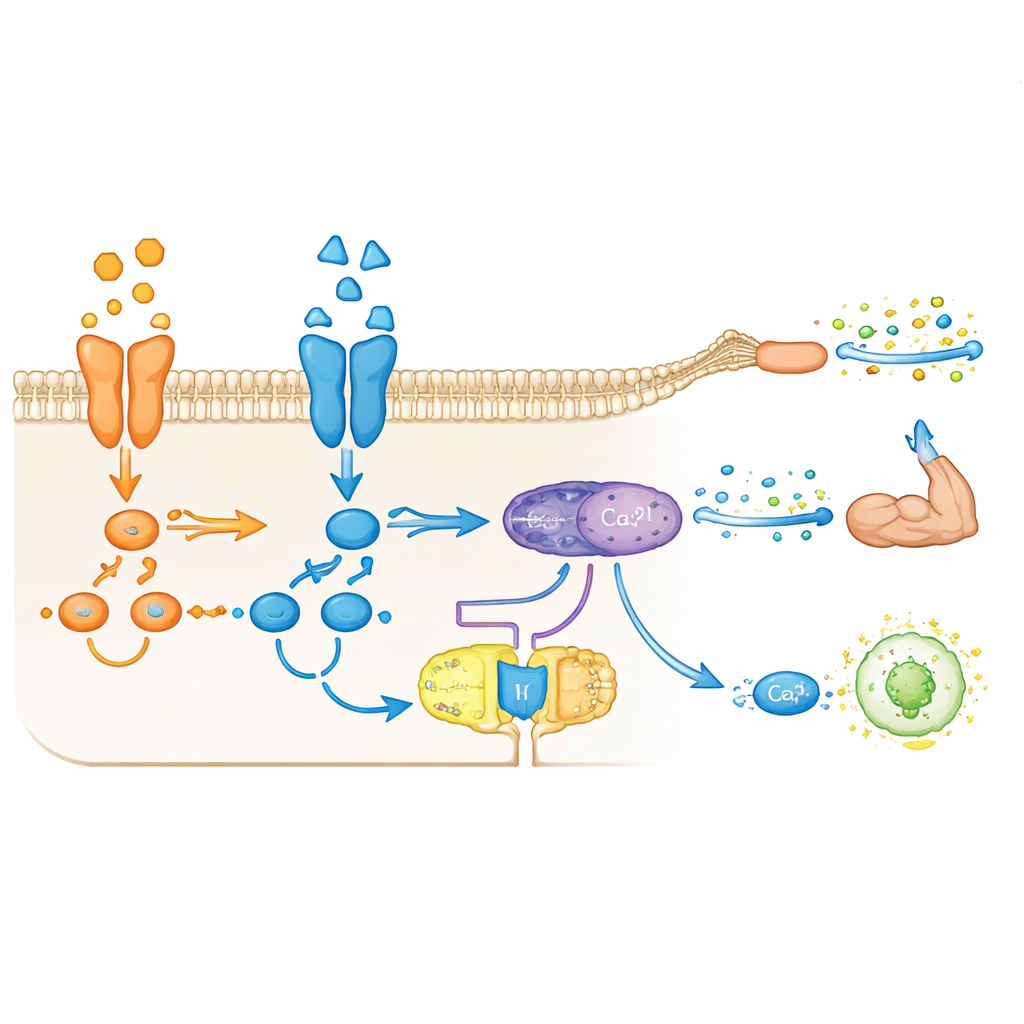
The paper focuses on two major families of taste receptors, both members of the large G protein‑coupled receptor (GPCR) superfamily. One family detects sweet and savory signals, while the other recognizes bitter compounds, many of which are plant toxins or microbial by‑products. On the tongue, these receptors sit in taste buds and, when activated by food, trigger a chain of events inside the taste cell: messenger molecules are generated, calcium levels rise, ion channels open, and chemical signals are sent to the brain. Although sweet and bitter receptors belong to different GPCR subclasses and differ in shape, their internal signaling pathways converge, using many of the same downstream components to turn an external chemical cue into an electrical signal.
Hidden taste in the gut, airways, and other organs
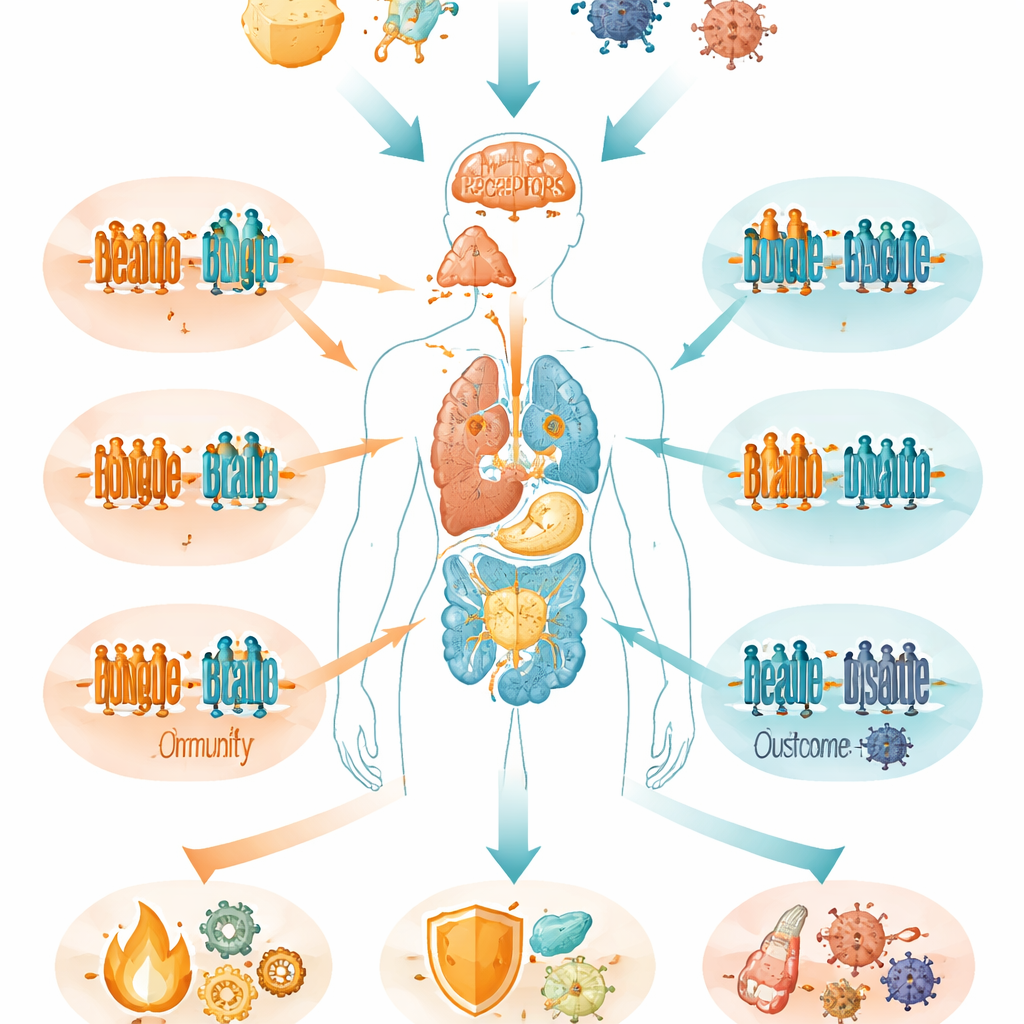
A key message of the review is that taste receptors are not confined to the mouth. Cells in the nose, sinuses, lungs, gut, pancreas, urinary tract, brain, and even reproductive organs carry these same receptors. In the airways, specialized “sentinel” cells use bitter receptors to sense bacterial products and trigger defensive responses such as releasing germ‑killing molecules, boosting mucus clearance, or briefly altering breathing patterns. In the gut, hormone‑producing cells use sweet and bitter receptors to gauge incoming nutrients and adjust the release of hormones that control blood sugar, appetite, and intestinal movement. Similar taste‑like cells in the intestine and urinary tract help detect parasites or harmful bacteria and set off type 2 immune reactions or stronger bladder contractions to expel invaders.
From food choice to disease risk
Because these receptors sit at the crossroads of diet, immunity, and hormone control, variations in their genes or function can tilt the balance toward disease. Small genetic changes in sweet receptor genes can influence how strongly people perceive sweetness, how much sugar they prefer, and their risk of dental caries. Variants in certain bitter receptors affect how well nasal cells respond to bacterial signals, changing susceptibility to chronic sinus infections. In the gut and pancreas, sweet receptors help regulate the release of hormones such as GLP‑1 and insulin, linking them to obesity and type 2 diabetes. Bitter receptors in airway muscle cells relax tightened airways when activated by specific bitter compounds, making them attractive candidates for new asthma therapies. In the brain, altered expression of bitter and sweet receptors has been observed in Alzheimer’s and Parkinson’s disease, hinting at roles in neuroinflammation. Many tumors also show distinctive patterns of taste receptor expression, with some receptors seemingly encouraging tumor spread and others restraining cancer cell growth.
Zooming in on receptor architecture
Recent structural biology breakthroughs have, for the first time, captured near‑atomic snapshots of human sweet and bitter receptors. For sweet receptors, three independent cryo‑electron microscopy studies reveal how the two subunits pair up, how sweeteners nestle into a clamshell‑like outer domain, and how small shifts propagate through a hinge region and seven membrane‑spanning helices to activate internal signaling partners. Other work on two bitter receptors shows how they accommodate a remarkably wide range of bitter chemicals using flexible binding pockets and sometimes multiple binding sites within a single receptor. These structural maps finally validate longstanding predictions from mutational studies and provide blueprints for designing drugs that either boost or block specific receptor activities.
Promise and challenges for future treatments
The review concludes that taste receptors should be seen as multi‑purpose sensors that help the body monitor nutrients, toxins, and microbes, then adjust metabolism and immune responses accordingly. Because they are present on the surface of many cell types and linked to well‑mapped signaling pathways, they are attractive drug targets for conditions ranging from metabolic disease and asthma to infections and certain cancers. However, obstacles remain: some receptors are hard to produce and study in the laboratory, their roles can differ dramatically between tissues, and the natural triggers for many “extra‑oral” receptors are still unknown. Even so, rapid progress in structural imaging, molecular modeling, and pharmacology is turning the once simple idea of “taste” into a sophisticated therapeutic opportunity.
Citation: Zhai, R., Yong, X., Jiang, P. et al. The structure and function of taste G protein-coupled receptors and their implications in diseases. Int J Oral Sci 18, 34 (2026). https://doi.org/10.1038/s41368-026-00436-5
Keywords: taste receptors, G protein-coupled receptors, metabolism and obesity, innate immunity, asthma and respiratory disease