Clear Sky Science · en
Women’s empowerment and climate resilience: global evidence
Why this story matters
As heatwaves, floods and storms intensify, many countries are struggling to protect people and economies from climate shocks. This study asks a simple but powerful question: what if one of the most effective tools for dealing with climate change is giving women more voice, rights and economic opportunity? By tracking nearly every country in the world over almost three decades, the authors show that when women are more empowered, nations tend to be better prepared for climate impacts and less vulnerable to harm.
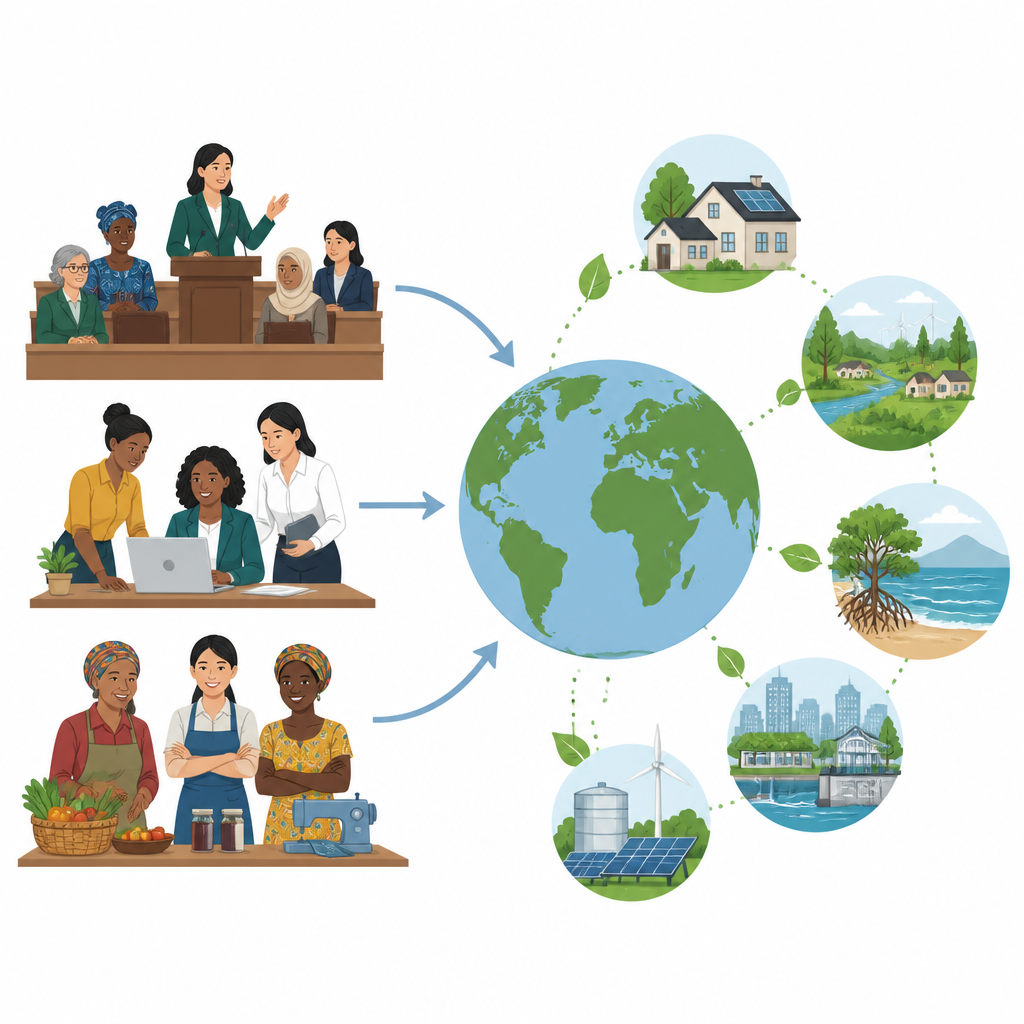
The growing strain of a hotter world
Climate records show a steady rise in greenhouse gases, temperatures and climate related disasters. Global emissions have climbed alongside industrial activity and energy use, while surface temperatures now sit above historical averages in almost every month of the year. Only a minority of countries have strong, legally backed plans to cut emissions, and fossil fuels still dominate the energy system. These trends leave many societies exposed to droughts, floods and storms that can wipe out harvests, damage cities and strain public budgets.
How women’s lives and climate risks connect
Women often face climate risks more sharply than men, especially in poorer countries where they gather water and fuel, farm small plots, or care for children and older people. At the same time, research suggests women are more likely to support environmental protection and to worry about health and safety. The authors build on ideas from ecofeminism and social psychology to outline three pathways linking women’s status to climate outcomes: economic freedom, clean and fair public institutions, and care oriented values. When women can work, run businesses and hold office, they may channel resources toward education, health, cleaner technologies and safer communities, all of which support climate resilience.
Measuring power and preparedness worldwide
To test these ideas, the study combines data from up to 185 countries between 1995 and 2022. Climate readiness and vulnerability are captured using the ND GAIN indices, which summarise how exposed a country is to climate hazards and how prepared it is to adapt. Women’s empowerment is measured in three ways: their share of the labour force, a World Bank index of laws affecting women’s economic rights, and a political empowerment index that reflects their presence and influence in public life. The authors then apply a wide range of statistical tools designed to handle noisy data, differences across countries, feedback effects and long term relationships.
What the numbers reveal
Across all methods, the results point in the same direction. Countries where women work more, enjoy stronger legal protections in the economy, or hold more political power tend to have lower climate vulnerability and higher readiness. A one percent rise in women’s labour force share is linked to up to a 0.11 percent drop in vulnerability and a 0.08 to 0.35 percent rise in readiness. Improvements in the legal index for women are tied to smaller but still meaningful gains. The largest effects come from political empowerment: even modest increases in women’s political voice are associated with notable reductions in vulnerability and clear boosts in readiness, and these effects persist over time in follow up analyses.
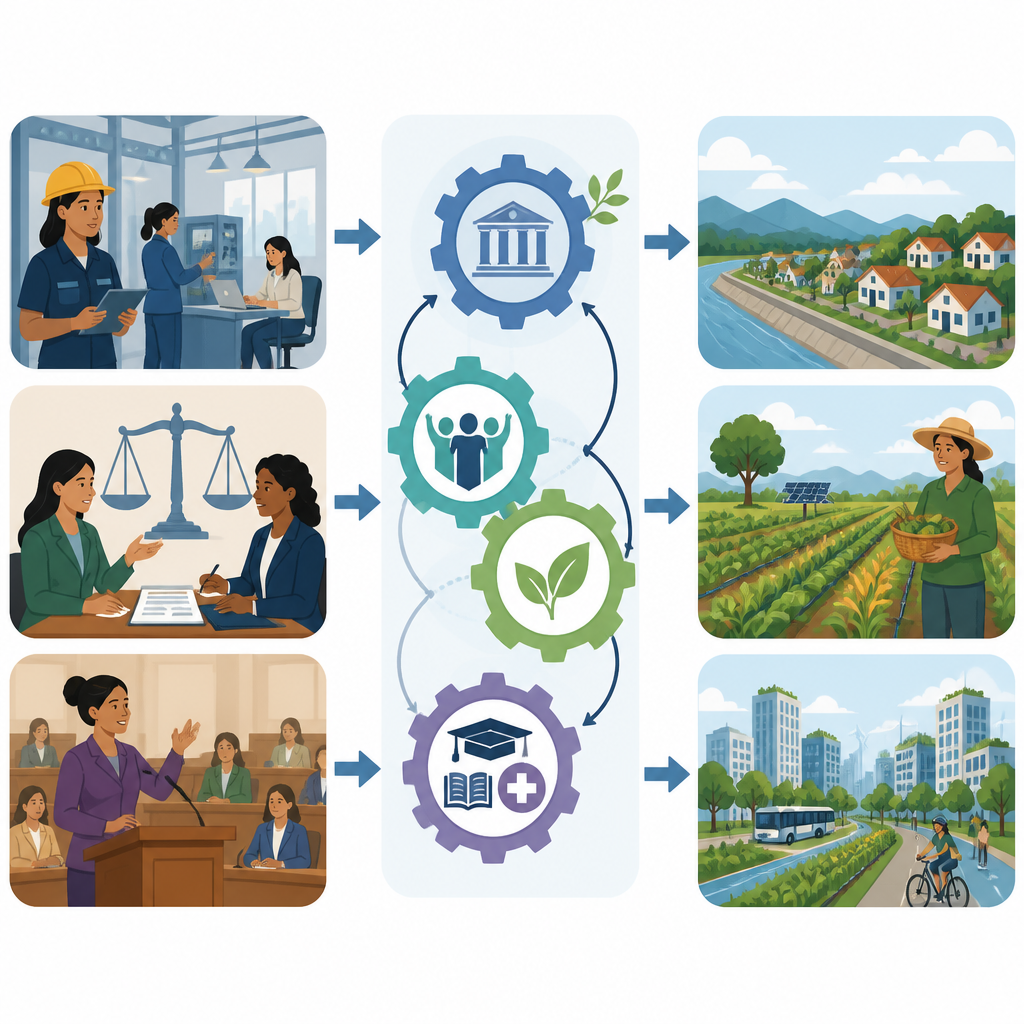
Why women’s leadership changes outcomes
The authors argue that these patterns arise because empowered women alter how resources are spent and how rules are enforced. Greater economic freedom allows women to invest in greener technologies and more resilient livelihoods. Stronger legal rights and safer environments can curb corruption and ensure that climate funds reach the communities that need them most. When women participate in political decisions, they are more likely to back policies that protect health, education and the environment, and to press for early warning systems, disaster planning and equitable recovery efforts.
What this means for everyday life
For non specialists, the key message is straightforward: societies that give women equal chances in work, law and politics are better able to withstand and adapt to climate shocks. Empowerment is not only about fairness; it also strengthens the systems that keep food on the table, homes safe and public services functioning when weather turns extreme. By expanding women’s access to jobs, credit, schooling and leadership roles, and by making climate finance attentive to gendered needs, governments can tap a powerful and often overlooked source of climate resilience.
Citation: SenGupta, S., Atal, A. Women’s empowerment and climate resilience: global evidence. Humanit Soc Sci Commun 13, 665 (2026). https://doi.org/10.1057/s41599-026-07440-4
Keywords: women’s empowerment, climate resilience, gender and climate, climate vulnerability, political representation