Clear Sky Science · en
An examination of knowledge, thoughts, and attitudes toward microplastics in the context of science teacher education
Why tiny plastics and future teachers matter
Microplastics are tiny fragments of plastic that slip into our food, water, and air, often without us noticing. This article looks at what future science teachers in Turkey know and feel about microplastics, and why that matters for how children will learn about pollution and sustainability. By examining these young educators’ knowledge, worries, and everyday habits, the study offers clues about how education can turn concern about plastic into real changes in behavior.
Small plastics, big everyday problem
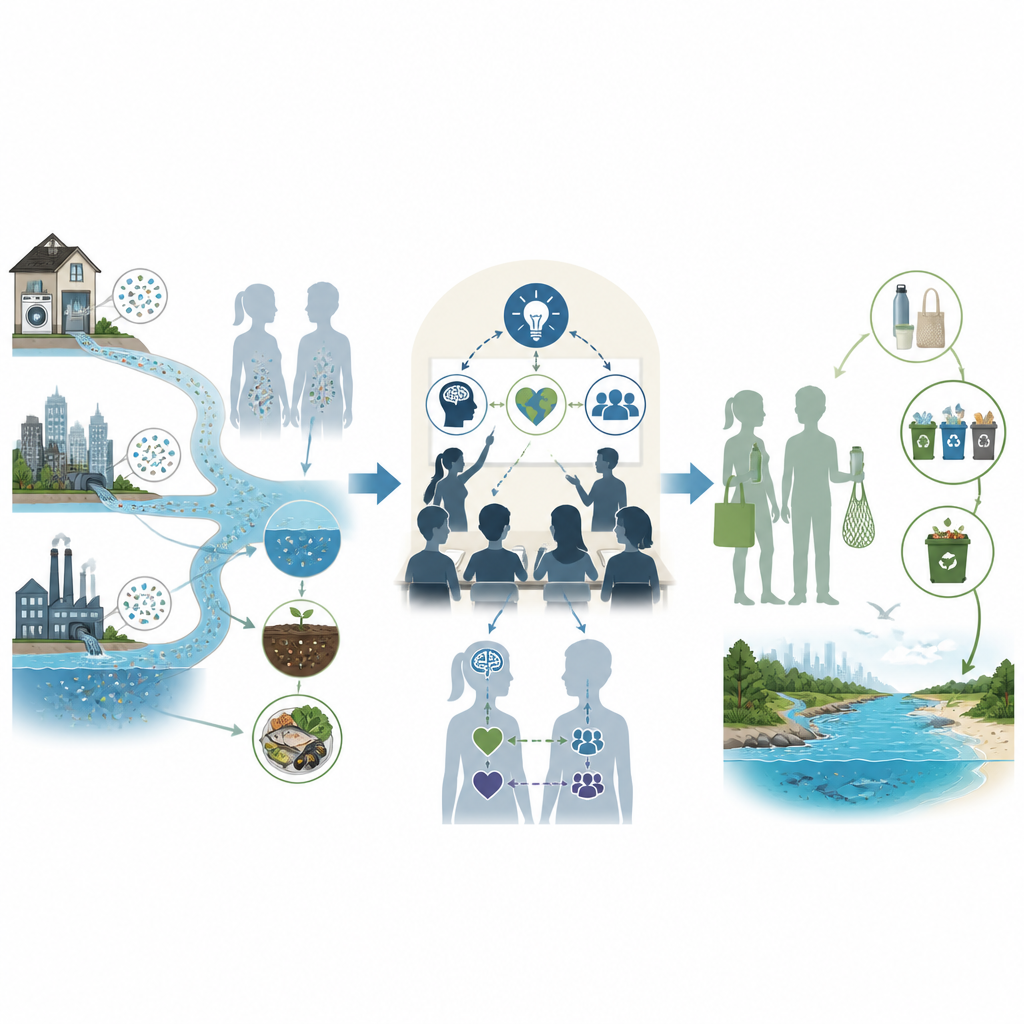
The article begins by explaining how small plastic pieces break off from larger items and spread through air, soil, rivers, seas, and even the food we eat. While the science world has learned a lot about where microplastics come from and how they harm ecosystems, the general public still knows relatively little. Microplastics are tied to global goals on health, clean water, life in the oceans, and life on land, so understanding what people know is more than a trivia question; it affects how societies respond to pollution.
Student teachers under the microscope
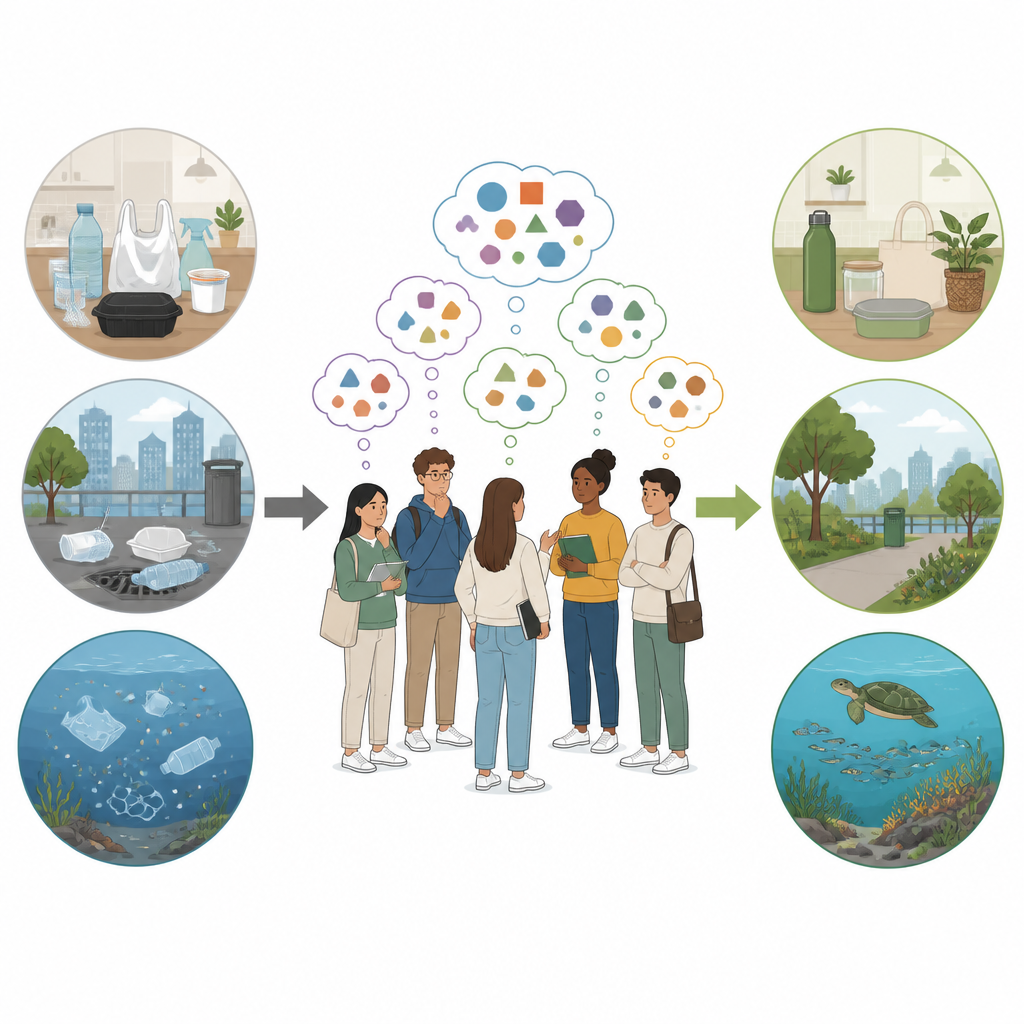
The study focused on 142 science teacher candidates at a public university in Turkey, most in their early twenties. Researchers used a set of open questions to explore three areas: how the students define and understand microplastics, how risky they believe microplastics are, and what actions they think should be taken to reduce them. Responses were examined through content analysis by two independent experts, who compared and refined codes until they agreed fully. The result is a structured picture of how these future teachers think about a problem that is already part of daily life.
What they know and where gaps appear
Most participants described microplastics mainly by size, calling them very small or invisible plastic bits. Only a small fraction gave a scientifically accurate size-based definition. Many associated microplastics with pollution in oceans, rivers, and soil, and could name common sources such as plastic packaging, bottles, bags, textiles, and cosmetics. Yet they often overlooked less obvious sources and were uncertain about where microplastics end up. When asked where they first heard about the topic, most pointed to the internet and other media, while fewer learned about it in school. This pattern suggests that formal curricula have not kept pace with scientific and media attention to microplastics.
Strong worry, uneven behavior
When it came to risk, student teachers were clearly alarmed. They linked microplastics to long-lasting environmental damage, harm to marine life, and possible health problems in humans such as digestive issues, hormonal changes, or even cancer. Almost none saw microplastics as harmless. They believed that if microplastics keep increasing, ecosystems will be disrupted, species may decline, and disease risks may rise. At the same time, their own suggested solutions centered on personal choices: using fewer plastics, avoiding single-use items, buying eco-friendly products, recycling more, and supporting cleaner industry and renewable energy. Many also stressed education and awareness campaigns. Still, the article notes that awareness and intention do not always lead to lasting habit changes, especially when everyday routines, social expectations, and costs push people toward convenience.
Turning knowledge into lasting change
The author argues that because these student teachers will soon shape how children understand the environment, their partial knowledge and mixed habits are both a warning sign and an opportunity. Knowing that microplastics are harmful is a first step, but it is not enough to change behavior on its own. The study concludes that school programs at all levels should weave microplastic topics into lessons in a practical way, helping students connect abstract information to daily choices. Supportive policies, school practices, and community projects can make sustainable choices easier and more normal. In plain terms, if we want cleaner oceans and healthier communities, we must help future teachers move from simply knowing about microplastics to living and teaching in ways that reduce them.
Citation: Calis, S. An examination of knowledge, thoughts, and attitudes toward microplastics in the context of science teacher education. Humanit Soc Sci Commun 13, 682 (2026). https://doi.org/10.1057/s41599-026-07020-6
Keywords: microplastics, science education, teacher training, environmental awareness, plastic pollution