Clear Sky Science · en
Algorithmic human resource management as a mode of algorithmic governance: transparency, fairness, and human agency in the digital workplace
Why Your Next Boss Might Be an Algorithm
Many everyday work experiences—from how we are hired to how our pay is set—are increasingly shaped by hidden computer programs. This paper explores how algorithms are quietly transforming human resource management (HRM), turning familiar office routines into data-driven processes. For anyone who has ever wondered why a promotion was denied, how a résumé was screened out, or whether constant digital monitoring is fair, this study offers a big-picture guide to the promises and perils of the algorithmic workplace.
From Gut Feel to Data-Driven Decisions
Traditional HR decisions have long depended on managers’ judgment: reading résumés by hand, relying on impressions in interviews, or informally weighing who deserves a raise. The article argues that algorithmic HRM replaces much of this intuition with systematic data analysis. Across workforce planning, recruitment, training, performance reviews, pay, and employee relations, algorithms sift through digital traces such as performance logs, turnover histories, and online interactions. These systems can forecast staffing needs, match job seekers to openings, personalize training, and adjust pay based on performance patterns. Instead of a sharp break with the past, the author sees a hybrid future in which human judgment and automated tools work together—but with algorithms increasingly setting the terms of that partnership. 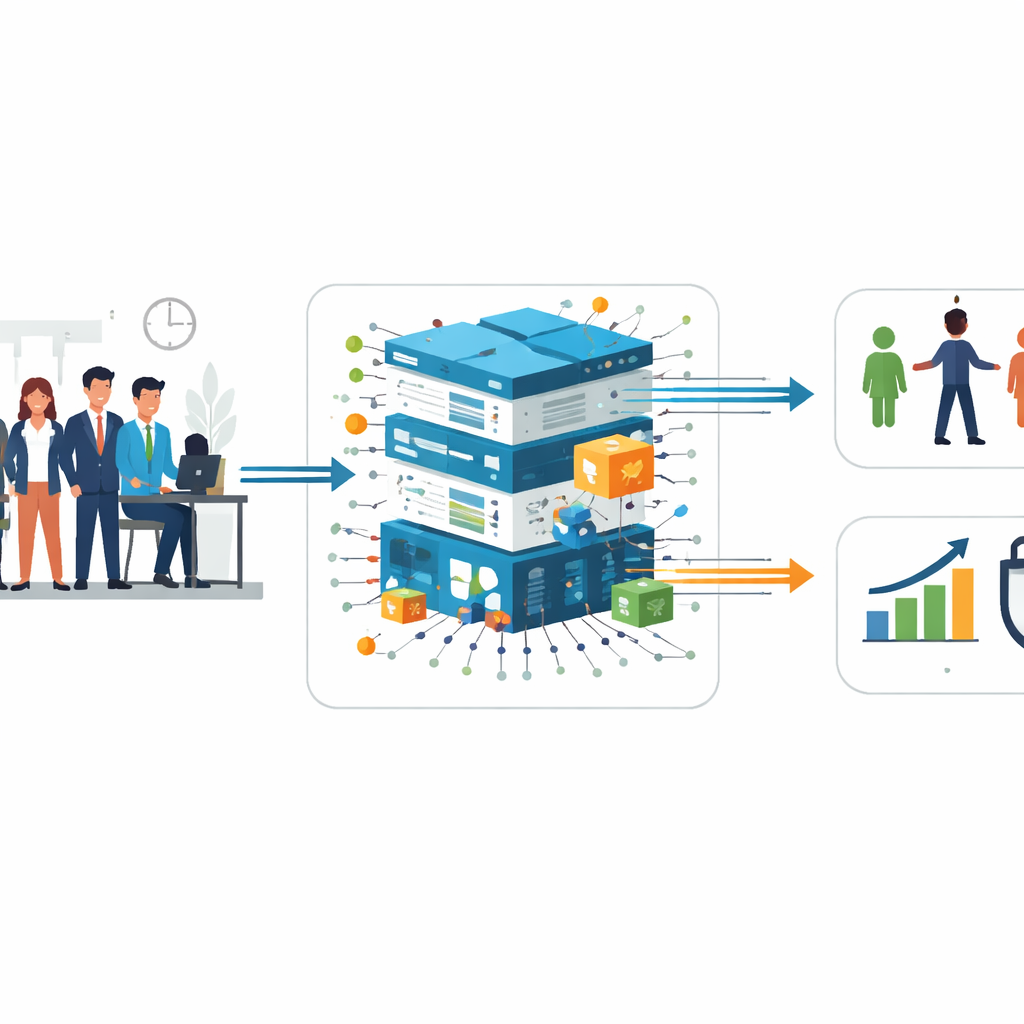
Different Kinds of Digital Decision-Makers
The paper explains that not all HR algorithms are the same. Some follow simple rules, like automatically routing applications that meet minimum criteria. Others rely on statistics and machine learning to spot patterns and predict future outcomes, such as which employees might quit or which candidates are likely to succeed. Still more advanced systems go beyond prediction to recommend or even directly execute actions, for example by automatically inviting certain candidates to interviews or suggesting pay adjustments. These layers—descriptive, predictive, and normative analytics—gradually move HRM from merely describing what is happening to deciding what should happen, raising the stakes for transparency and control.
How Algorithms Reshape Everyday HR Practices
Zooming in on core HR activities, the article shows how algorithms weave through the entire employee journey. In planning, they scan internal and external data to profile the existing workforce and forecast future demand, helping organizations decide what skills to recruit or develop. In hiring, they automate résumé screening, schedule interviews, and use online tests, speech analysis, or game-like assessments to infer personality and fit. In training, they help build knowledge bases, detect skill gaps, recommend tailored courses, and track learning outcomes in real time. Performance management shifts from occasional, subjective appraisals to continuous measurement using behavioural data and automated feedback. Pay systems use algorithms to compare jobs, calibrate salaries, and run payroll efficiently. Employee relationship tools mine messages and social media to detect dissatisfaction, suggest promotions, or predict who might leave, enabling earlier intervention but also expanding monitoring into more intimate digital spaces. 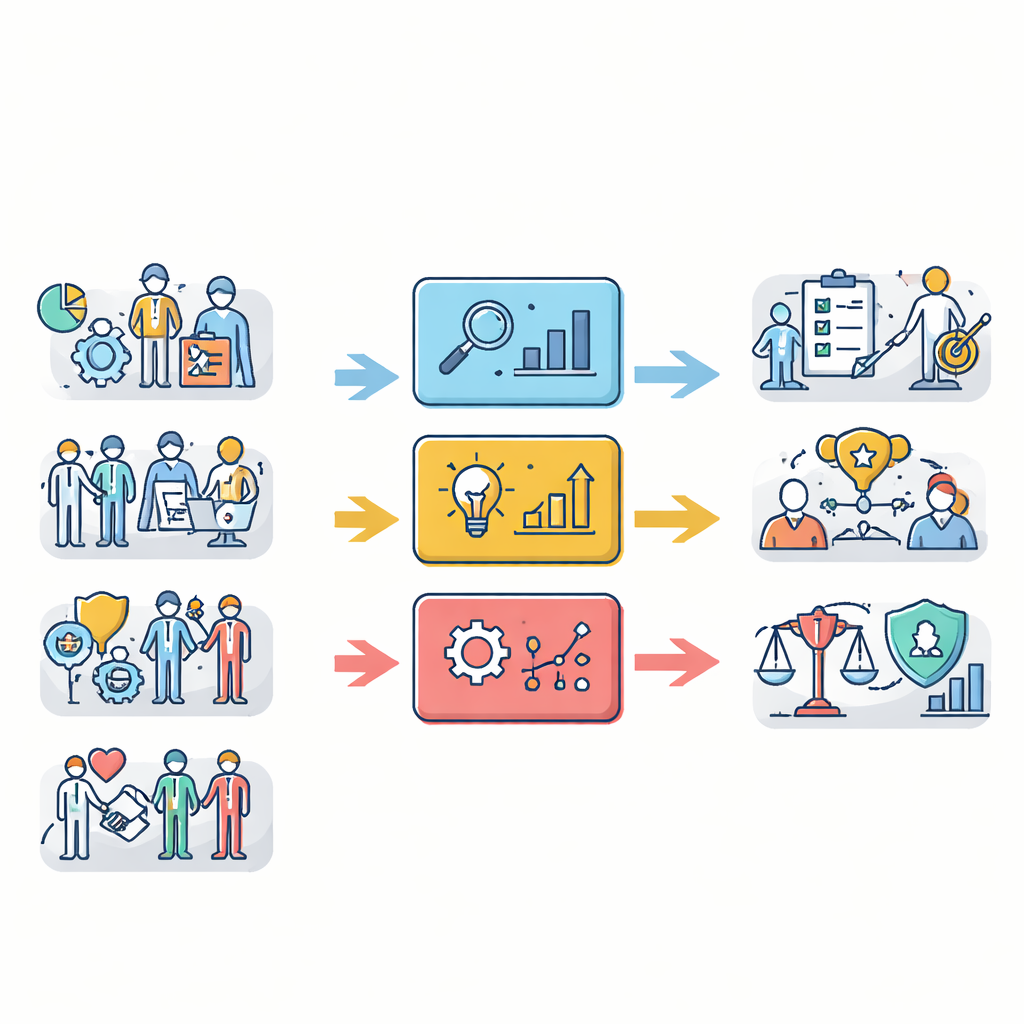
Power, Fairness, and the Human Cost
While these tools can reduce certain biases, save time, and support more consistent decisions, the author warns that they also introduce serious risks. Complex models often operate as “black boxes”: workers and even HR staff may not understand how decisions are made or which data matter most. If historical data reflect discrimination, algorithms can quietly reproduce or even amplify unfair treatment by gender, age, race, or other characteristics. Constant data collection blurs the line between work and private life, as employers track emotions, social ties, and online behaviour. Employees may feel watched, anxious about new technologies, or stripped of autonomy when schedules, tasks, and evaluations are governed by opaque rules. These tensions create new forms of workplace resistance, such as ignoring algorithmic recommendations or intentionally feeding systems misleading data.
Making Room for Humans in a Digital Workplace
To make algorithmic HRM serve people rather than replace them, the paper calls for stronger safeguards and shared oversight. Organizations should treat algorithms as decision-support tools, not unquestionable authorities, and invest in “white-box” models that can be explained and audited. New roles and skills are needed, from experts who can check for bias and data misuse to managers and employees who can work fluently with digital systems while retaining empathy and ethical judgment. Laws like the European Union’s GDPR and China’s PIPL already demand clearer explanations and limits on data use, but the article argues that true fairness and human agency will depend on how companies design, monitor, and share control over these tools. In simple terms, the study concludes that algorithms can help make work smarter and more efficient, but only if we stay alert to who programs them, what values they encode, and how much say workers have in the process.
Citation: Chen, Z. Algorithmic human resource management as a mode of algorithmic governance: transparency, fairness, and human agency in the digital workplace. Humanit Soc Sci Commun 13, 594 (2026). https://doi.org/10.1057/s41599-026-06989-4
Keywords: algorithmic HRM, digital workplace, AI in hiring, workplace fairness, employee autonomy