Clear Sky Science · en
Generative AI in academic writing: a comparison of human-authored and ChatGPT-generated research article titles
Why the way we title science papers matters
When you search for medical research online, the first thing you see is the article’s title. In just a handful of words, it has to tell you what the study is about and why it matters. With generative AI tools like ChatGPT now helping researchers draft text, this study asks a timely question: can AI really mimic how experts craft those all-important titles, and what might be lost or gained if we let it?
Studying AI and humans side by side
The researchers built two carefully matched collections of titles in general medicine. One contained 300 titles written by humans and published in three of the world’s most influential medical journals: The Lancet, JAMA, and The BMJ. The other contained 300 titles generated by ChatGPT, each based on the abstract of the very same article. This design let the authors compare human and AI choices directly while holding the underlying study constant. They then examined the titles using both simple counts and statistical tests, focusing on how long the titles were, how they were structured, and what kind of information they highlighted.
How similar are AI and human titles?
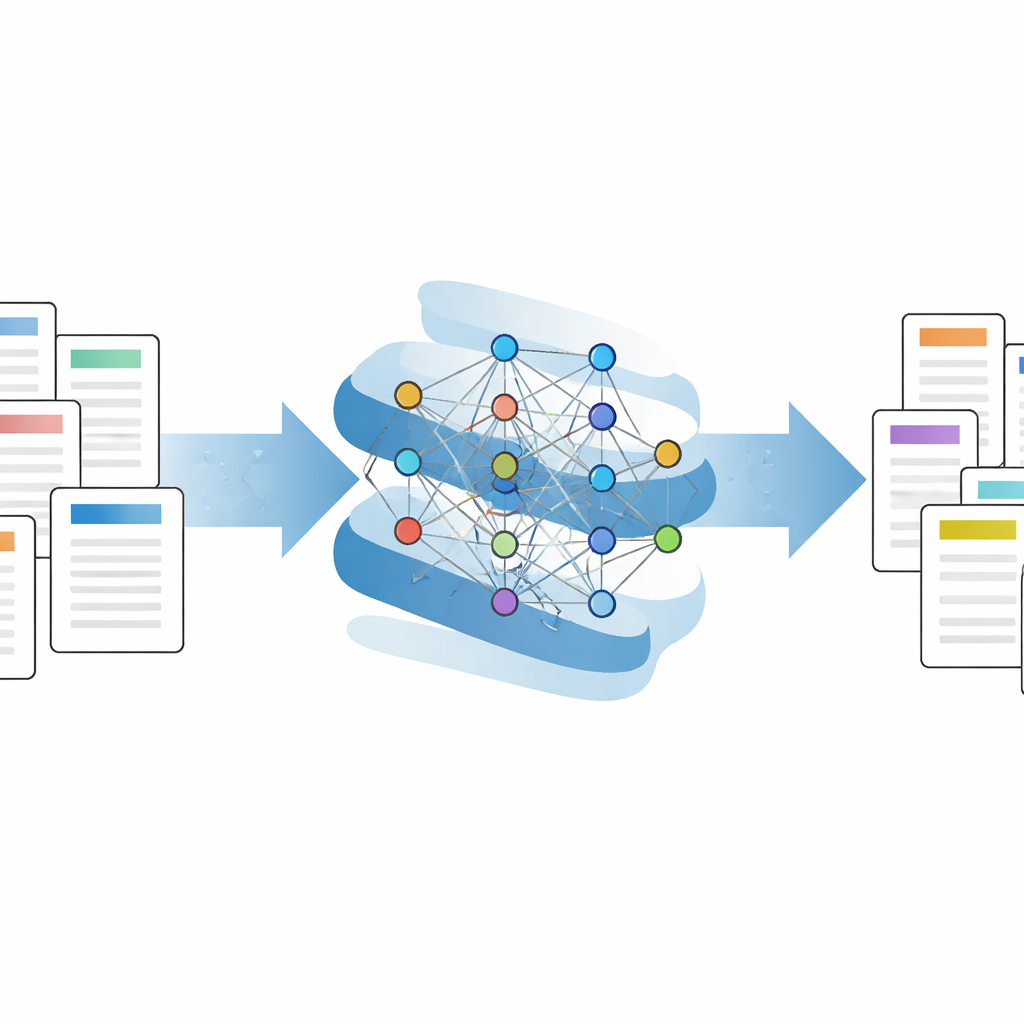
On the surface, ChatGPT’s titles looked strikingly like those written by medical researchers. Average length was almost identical, with both sets of titles hovering around twenty words. Both humans and the AI strongly preferred multi-part titles split into two units, and almost all of these took the form of compact noun-based phrases rather than full sentences. This style, long established in medicine, lets authors pack in a lot of detail while keeping the title grammatically simple. The close match shows that ChatGPT has absorbed these genre habits from the texts it was trained on and can reproduce them with considerable accuracy.
Hidden differences in style and focus
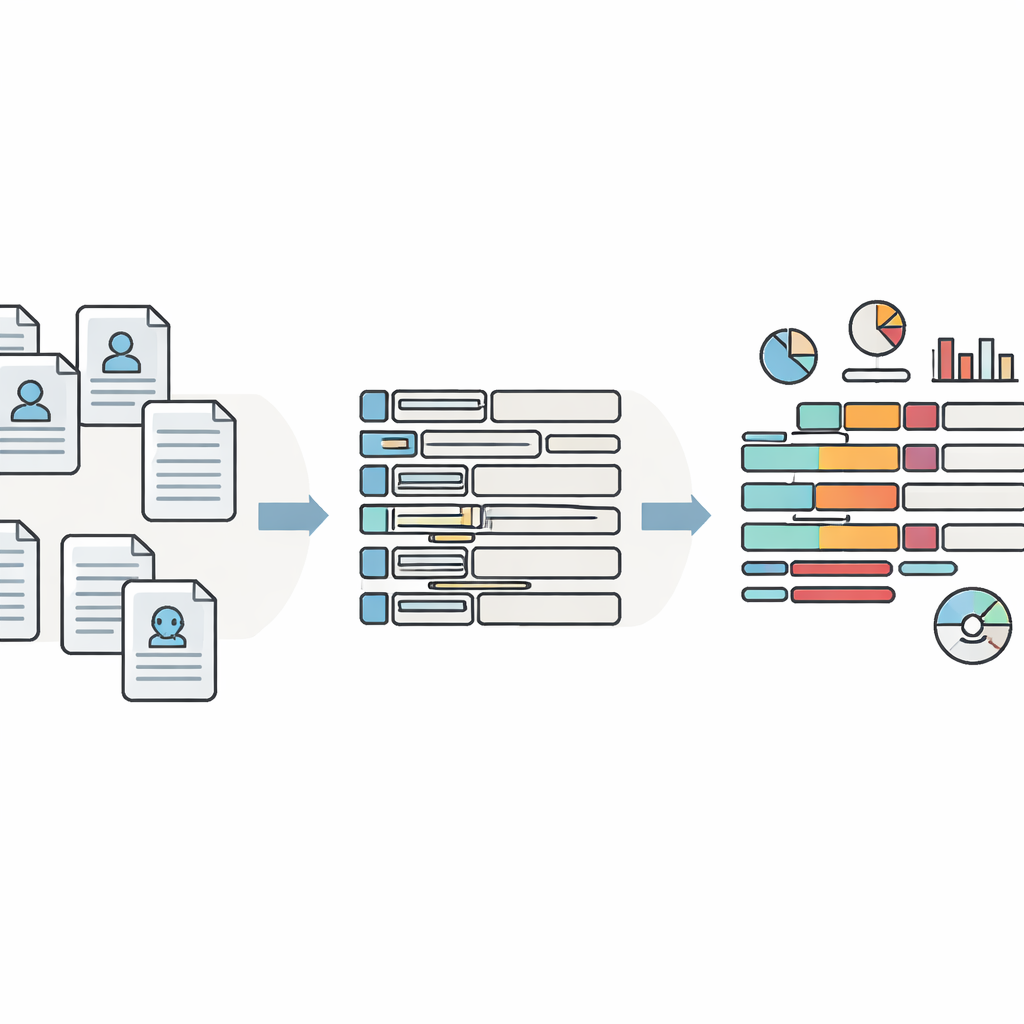
Beneath this broad similarity, however, important differences emerged. ChatGPT relied even more heavily on two-part titles than human writers did, signaling a tendency to favor highly informative, elaborated formats. When the authors looked at what the titles chose to emphasize, both humans and the AI mostly highlighted research methods, in line with medicine’s strong emphasis on study design and transparency. Yet the AI produced proportionally more titles centered on data sources and explicit results, and fewer that simply stated the topic or combined methods with information about datasets in a more flexible way. Human authors, by contrast, used a slightly wider mix of strategies—sometimes opting for shorter, topic-only titles or subtle variations that foregrounded particular aspects of a study.
What this means for how we write with AI
These patterns point to a double-edged quality in AI-assisted writing. On one hand, the close alignment between ChatGPT and human practices suggests that generative AI can be a useful tool for drafting titles that fit established medical norms, especially for students or researchers writing in a second language. On the other hand, the model’s strong pull toward certain familiar patterns—multi-part, noun-heavy, methods-focused, and often tied closely to datasets or results—risks making titles more formulaic over time. If writers lean too heavily on AI suggestions without questioning them, the variety and creativity of scientific titles may gradually shrink, with subtle effects on how research is presented, discovered, and interpreted.
Balancing help from machines with human judgment
In plain terms, the study concludes that ChatGPT is very good at imitating how medical titles are usually written, but not as good at bending or stretching those rules in thoughtful ways. It follows the crowd rather than rethinking the script. The authors argue that educators and researchers need to develop what they call critical AI literacy: the habit of treating AI-generated titles as drafts to be evaluated and revised, not final products to accept uncritically. Used this way, generative AI can help writers learn and follow disciplinary conventions while human judgment preserves the nuance, emphasis, and occasional inventiveness that keep scientific communication lively and clear.
Citation: Ibrahim, S.K.M., Mahmoud, Z.A.Z. Generative AI in academic writing: a comparison of human-authored and ChatGPT-generated research article titles. Humanit Soc Sci Commun 13, 394 (2026). https://doi.org/10.1057/s41599-026-06956-z
Keywords: generative AI, academic writing, medical research, article titles, ChatGPT