Clear Sky Science · en
Evaluating the effectiveness of food security policies in China: a PMC-Index model approach
Why Food Security Policies Matter to Everyday Life
Behind every bowl of rice or loaf of bread lies a web of government decisions that help keep food safe, affordable, and available. This article looks at how China, home to nearly one‑fifth of the world’s population, has been shaping and refining those decisions over the past decade. By closely examining food security policies from 2013 to 2023, the authors show where current rules work well, where they fall short, and how they might be improved so that people’s plates stay full even in the face of climate change, pandemics, and global market shocks.
Tracing a Decade of Food Rules
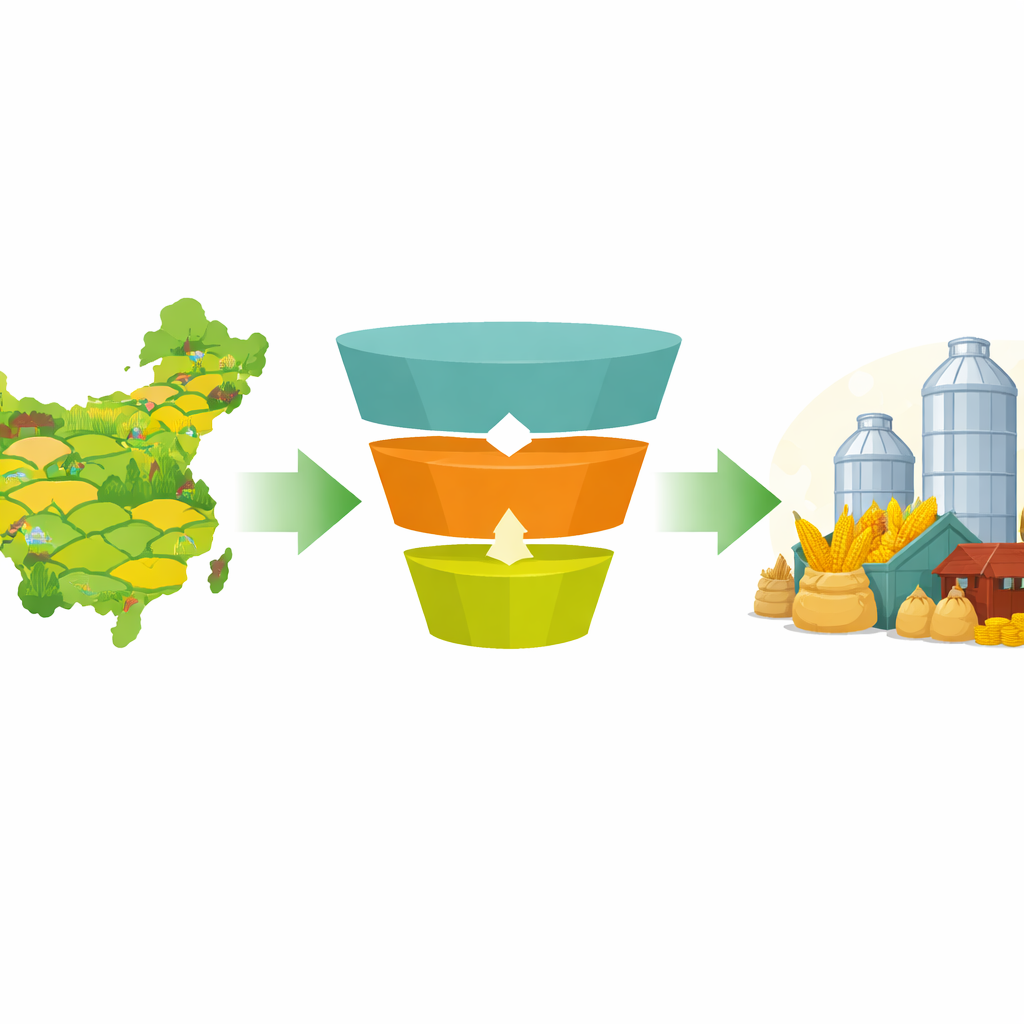
The study begins by asking a simple question: what exactly has China been doing, on paper, to safeguard its food supply? To answer this, the authors collect 218 official policy documents on food security issued since 2013 by both national and local governments. They then look at how many policies appeared each year, what types they were, and which agencies issued them. Over time, they find three main phases. From 2013 to 2016, policy making ramped up, with growing attention to boosting grain output and supporting farmers. Between 2017 and 2021, the focus shifted from sheer quantity toward quality, safety, and more efficient grain circulation. Since 2022, the pace of new policies has peaked, as food security has been tied more tightly to broader agendas such as rural revitalization and national security.
Who Makes the Rules and How They Connect
The authors also explore how different government bodies work together. Using social network analysis, they treat each ministry or local government as a “node” and each jointly issued policy as a “link.” This reveals that local people’s governments, the Ministry of Agriculture, the National Development and Reform Commission, and the State Administration of Grain sit at the center of the network. At the same time, the network as a whole is only loosely connected, with some agencies—such as land and finance institutions—playing a more marginal role. This means that, while many departments now participate in food security, coordination is not yet tight or systematic, which can dilute the impact of otherwise well‑designed policies.
Tools Governments Use to Shape the Food System
Not all policies work in the same way. Some inject money and technology into farming, others guide markets, and still others shape the overall environment in which food is produced and traded. The authors group China’s policy “tools” into three families: supply‑oriented (such as financial support, infrastructure building, and public services for farmers), demand‑oriented (such as grain purchasing rules, trade controls, and consumer market development), and environment‑oriented (such as land protection, supervision, and public education). They find a clear tilt toward the first and third types. Nearly half of all instruments strengthen supply, and over a third shape the surrounding environment. Demand‑side tools, especially efforts to nurture healthy, resilient consumer markets, are relatively scarce. This imbalance may make it harder for the food system to adapt to changing diets, imports, and global shocks.
Measuring How Well Policies Are Designed
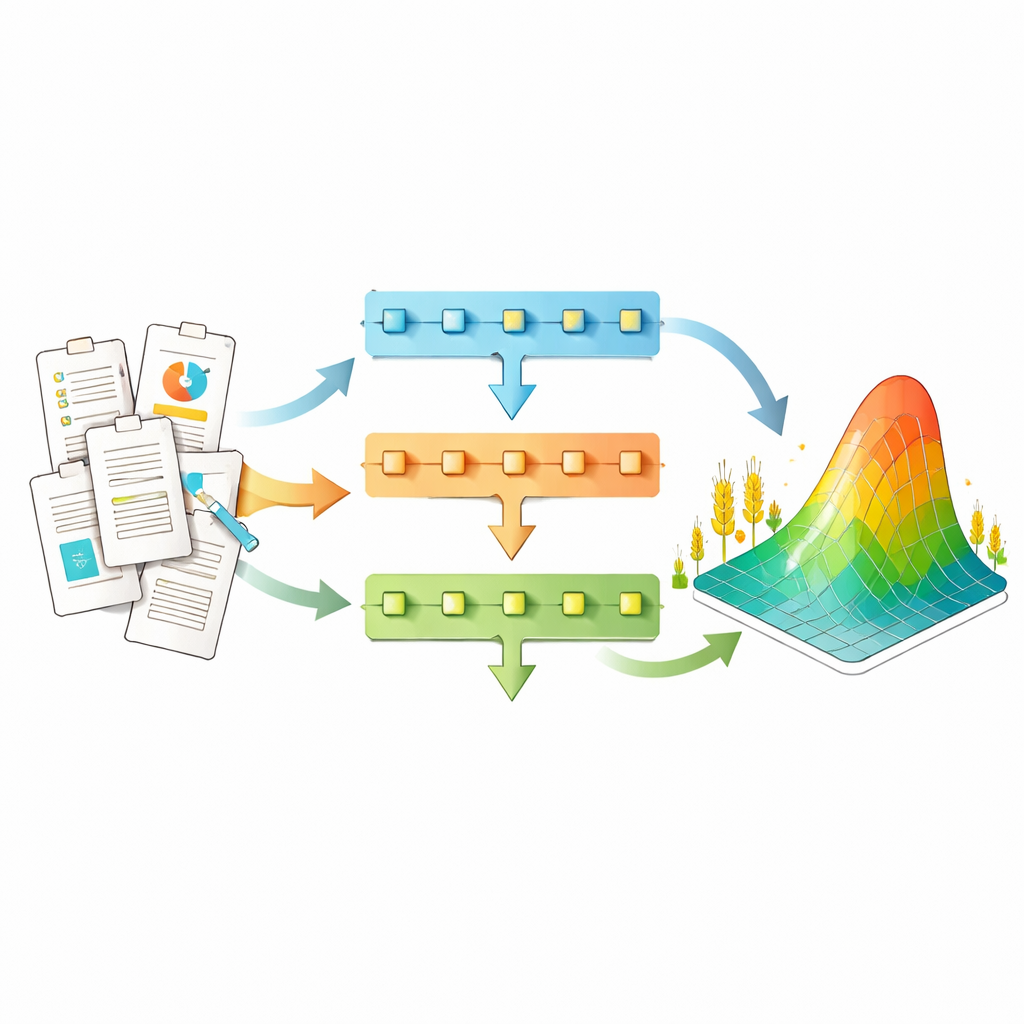
To move beyond descriptions, the authors turn to the PMC‑Index model, a structured way to score policy texts. They build an evaluation grid with nine broad aspects—such as policy goals, content, functions, incentives, and time horizon—broken into 45 detailed indicators. Each selected policy is checked against these indicators, and the results are combined into an overall score. Applying this method to six representative national and local policies, they find that all national‑level documents perform well: they are broad in scope, forward‑looking, and backed by clear support measures. Local policies, by contrast, tend to be more narrow and short‑term, often focusing on specific risks like soil pollution or emergency grain supplies. These local rules are practical but leave gaps in areas such as environmental protection, circular use of resources, and technological innovation.
What This Means for the Future Food Supply
For non‑specialists, the key takeaway is that good food security is about more than just producing enough grain. China’s current policies have built a strong backbone of support for farmers, storage, and supervision, especially at the national level. But to keep people’s “rice bowls” secure in the long run, the study argues that governments need to tighten coordination across departments, rebalance their toolkit toward smarter demand‑side and environmental measures, and give local policies a longer, more strategic view. By using quantitative tools like the PMC‑Index to spot blind spots and strengths in existing rules, policymakers can steadily refine how they manage land, markets, and risks—helping ensure that safe, nutritious food remains within reach for hundreds of millions of people.
Citation: Chen, L., Yuan, B., Tao, F. et al. Evaluating the effectiveness of food security policies in China: a PMC-Index model approach. Humanit Soc Sci Commun 13, 610 (2026). https://doi.org/10.1057/s41599-026-06954-1
Keywords: food security policy, China agriculture, policy evaluation, PMC-Index, grain supply