Clear Sky Science · en
How reciprocity, cohesion, and communication climate drive information sharing in WeChat-based e-commerce communities
Why Your Shopping Groups Matter
Many of us now rely on private messaging groups—such as WeChat shopping circles—to swap discount links, product tips, and warnings about bad deals. This article explores what makes some of these groups lively, helpful, and trustworthy while others quickly go quiet. By looking closely at how people treat one another and how it feels to speak up in these spaces, the authors show which invisible social forces keep useful information flowing in closed e-commerce communities.
Small Groups, Big Decisions
WeChat has become more than a chat app; it is a place where people compare products, ask for advice, and share buying experiences. Unlike open platforms such as Facebook or Reddit, these WeChat groups are usually closed and built around real relationships, shared interests, and easy in-app payment tools. That mix makes what people say in the group highly influential for everyday decisions, from choosing a skin-care brand to spotting fake promotions. The authors argue that in these tight-knit spaces, information sharing is not just about individual mood or habit. It grows out of shared expectations about how members should behave and how conversations are handled.

Give-and-Take and a Sense of Belonging
The study focuses on two key social forces: reciprocity and cohesion. Reciprocity means members believe that if they help others today—by posting a review, sharing a coupon, or answering a question—others will help them tomorrow. Cohesion is the feeling that the group is united, trustworthy, and “on the same side.” Interviews with active WeChat users revealed that people are more willing to speak up when they routinely see others helping one another and when the group feels like a friendly team trying to avoid scams and find good deals together. These day-to-day experiences become powerful signals about what kind of behavior is normal and appreciated.
The Invisible Atmosphere of Conversation
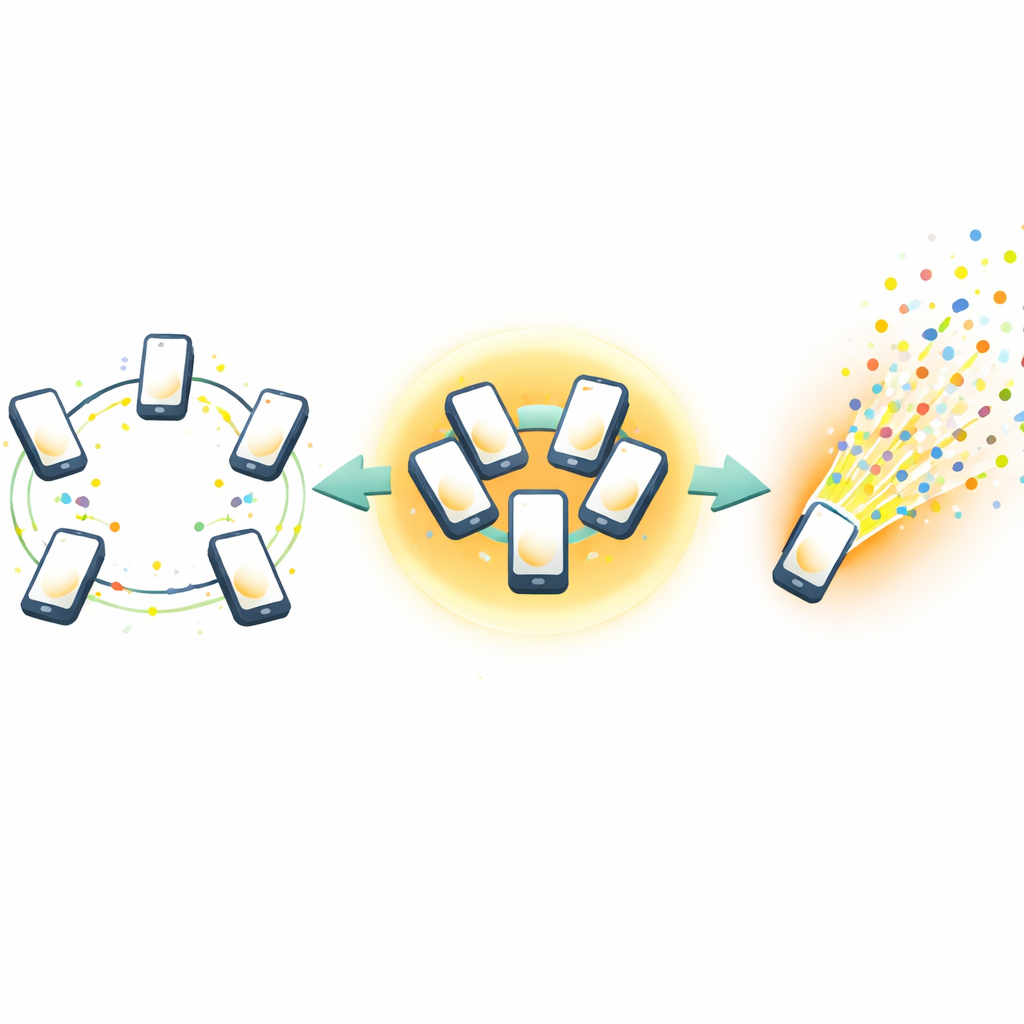
From these signals, a broader “communication climate” emerges—the overall atmosphere of discussion in the group. When members see quick, courteous responses, room for questions, and respect for different opinions, they describe the climate as open and safe. The researchers found that this climate is the crucial bridge between social norms and actual sharing. Using survey data from 365 WeChat community members and statistical modeling, they show that reciprocity and cohesion both improve the communication climate, and this, in turn, strongly boosts people’s willingness to share product tips, reviews, and personal experiences. In other words, helpful norms only translate into real behavior when the everyday tone of conversation makes sharing feel low-risk and worthwhile.
Why Rich Content Strengthens the Effect
The study also looks at how “community informativeness”—the overall usefulness and relevance of the content in a group—changes this picture. When a group is already known for practical, timely, and trustworthy information, a positive communication climate has an even stronger impact on sharing. In highly informative groups, members interpret friendly, open talk not just as politeness but as an invitation to contribute meaningful knowledge that others will value. By contrast, even in a kind and relaxed group, people are less motivated to invest effort in detailed posts if most content seems shallow or off-topic. This shows that social warmth and information quality must work together to keep conversations rich and active.
What This Means for Online Communities
For platform designers, group administrators, and businesses that depend on word-of-mouth, the message is clear. To keep people sharing useful information in closed shopping communities, it is not enough to attract many members or push promotions. Groups thrive when members see steady give-and-take, feel they belong, and experience a calm, respectful space where questions are welcome. When that supportive climate is combined with genuinely helpful content, people are more likely to speak up, return the favor, and keep sharing insights that help everyone make smarter choices.
Citation: Jamil, K., Zhang, W., Anwar, A. et al. How reciprocity, cohesion, and communication climate drive information sharing in WeChat-based e-commerce communities. Humanit Soc Sci Commun 13, 573 (2026). https://doi.org/10.1057/s41599-026-06947-0
Keywords: social commerce, online communities, information sharing, WeChat groups, digital word-of-mouth