Clear Sky Science · en
Evaluating menopause knowledge among Indian youth to promote empathy and support for menopausal women: a cross-sectional study
Why this life stage matters to everyone
Most people hear about menopause only in passing, yet it affects the daily lives of millions of women and their families. This study from Nagpur, India, looks not at women going through menopause themselves, but at the young people around them. By asking Indian youth what they know and feel about menopause, the researchers explore whether the next generation is prepared to offer understanding and support when mothers, aunts, teachers, and colleagues reach this important life stage.
A natural change that is often kept quiet
Menopause marks the end of a woman’s monthly periods and fertility, usually in her forties or fifties. Along with this change come hot flushes, sleep problems, joint pain, mood swings, and worries about long-term health. Research around the world shows that how women experience this phase depends not only on hormones, but also on the attitudes and support they receive at home, at work, and in their communities. Yet in many societies, including India, menopause is rarely discussed openly, leaving women to cope in silence and young people with little reliable information.
Asking young Indians what they really know
To understand where knowledge gaps begin, the authors carried out an online survey of 346 young people aged 15 to 25 in Nagpur city. Most were college students, and most lived in urban, nuclear families. The questionnaire asked about basic facts—such as what menopause is, when it happens, and common symptoms—as well as health risks, ways of managing discomfort, and ideas about social and emotional support. It also recorded where participants had heard about menopause, for example from family, social media, or health professionals, and invited them to write anything else they believed about the topic in their own words.
What youth know, and where the gaps appear
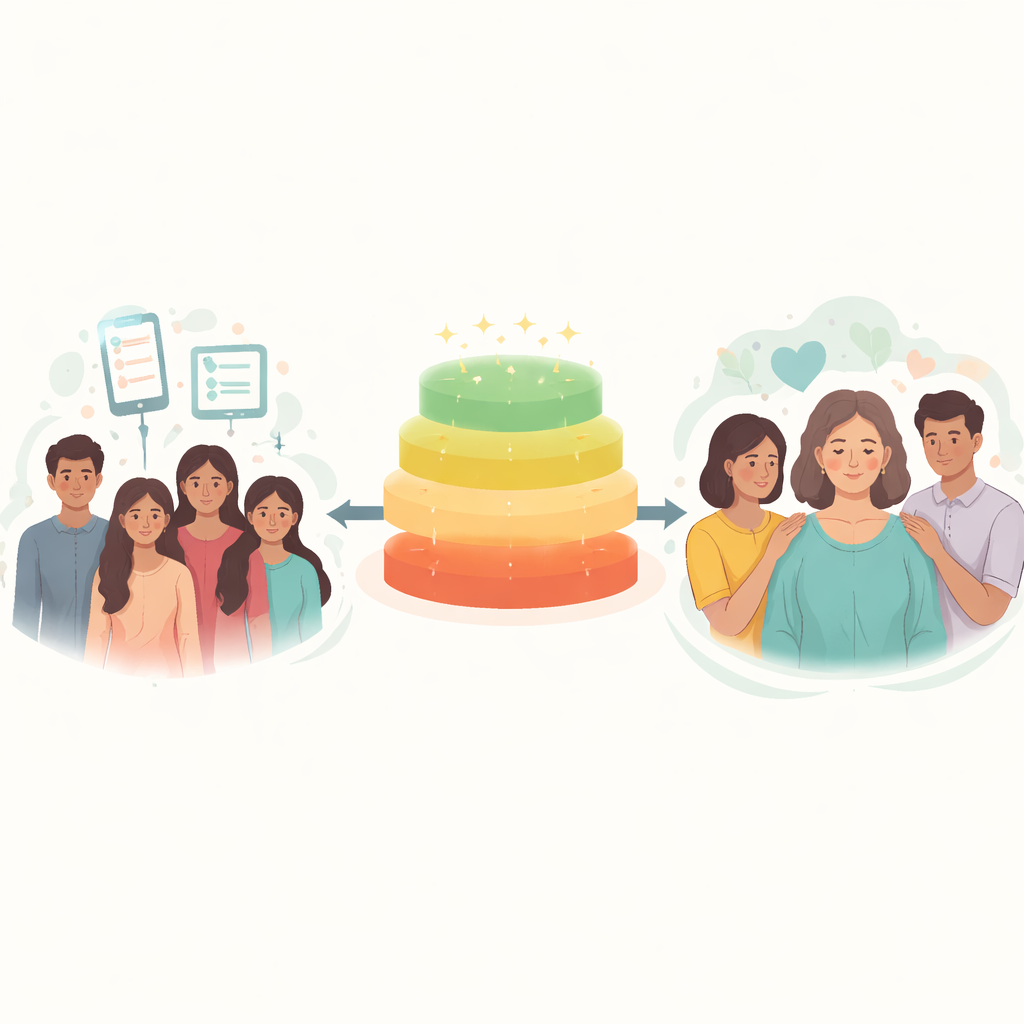
The results showed that many young people had only a patchy understanding of menopause. When their answers were scored, a clear pattern emerged: young women tended to know more than young men, and those who had a close relationship with a woman aged 40 to 55—such as a mother or aunt—also scored higher. In other words, living alongside someone approaching or going through menopause seems to boost awareness, likely through everyday conversations and observations. By contrast, age, level of education, family type, and whether they lived in an urban or semi-urban area did not make much difference to knowledge scores, suggesting that formal schooling has so far done little to cover this subject.
Signals of empathy despite missing facts
When asked how they would respond to a woman going through menopause, most participants chose caring options: they said they would be kind, offer emotional support, and discourage social isolation. Very few endorsed withdrawing from her or dismissing her feelings. Many recognized that lack of social support can deepen low mood during this period. However, the open-ended answers revealed how limited their factual understanding still is. Some youth correctly described the end of monthly bleeding, hormonal shifts, and a rough age range. Others confused menopause with the uterus “wearing out,” assumed it was simply “good” because periods stop, or gave vague comments that suggested discomfort with the topic. More than half left the open question blank, hinting at stigma or uncertainty.
Why early education and open talk matter
Despite the gaps, an encouraging finding was that nearly nine out of ten respondents said they wanted to learn more about menopause, especially through online resources. This enthusiasm suggests a major opportunity: if accurate, sensitive information is offered through schools, universities, and digital platforms, youth may be eager to engage. The authors argue that involving young people—of all genders—in conversations about menopause can help build households and communities where women feel understood rather than ashamed when their bodies change.
Building a kinder future for midlife women
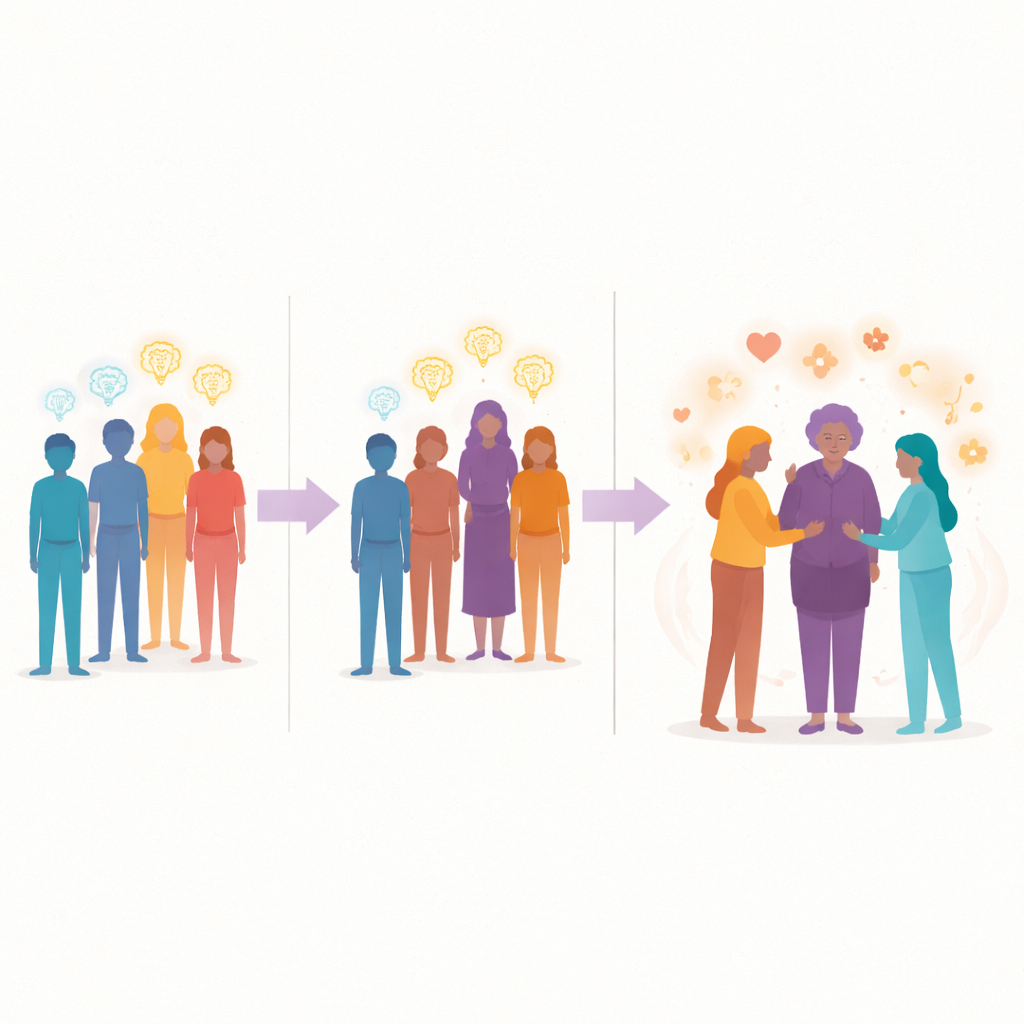
In simple terms, the study concludes that Indian youth care about supporting menopausal women but lack solid knowledge about what menopause is and what women go through. Young women and those close to menopausal relatives currently understand the most, yet overall awareness remains low. By weaving menopause education into lessons, family discussions, and social media campaigns, societies can equip the next generation to respond with empathy instead of confusion. That, in turn, can ease symptoms, reduce loneliness, and improve the quality of life for women during this natural, yet often overlooked, stage of life.
Citation: Agrawal, A., Paikane, M. Evaluating menopause knowledge among Indian youth to promote empathy and support for menopausal women: a cross-sectional study. Humanit Soc Sci Commun 13, 584 (2026). https://doi.org/10.1057/s41599-026-06935-4
Keywords: menopause, youth awareness, social support, women’s health, India