Clear Sky Science · en
Integrating artificial intelligence to enhance frequency of learning cycles: a proof-of-concept study
Why Smarter Note-Taking Matters
Anyone who has sat through a long lecture knows how easy it is for attention to drift and important points to slip away. This study looks at a simple but powerful idea: combining old-fashioned pen-and-paper notes with modern artificial intelligence to help nursing students learn more deeply, get faster feedback, and help teachers understand what really sinks in during class.
From Classroom to Smart Feedback
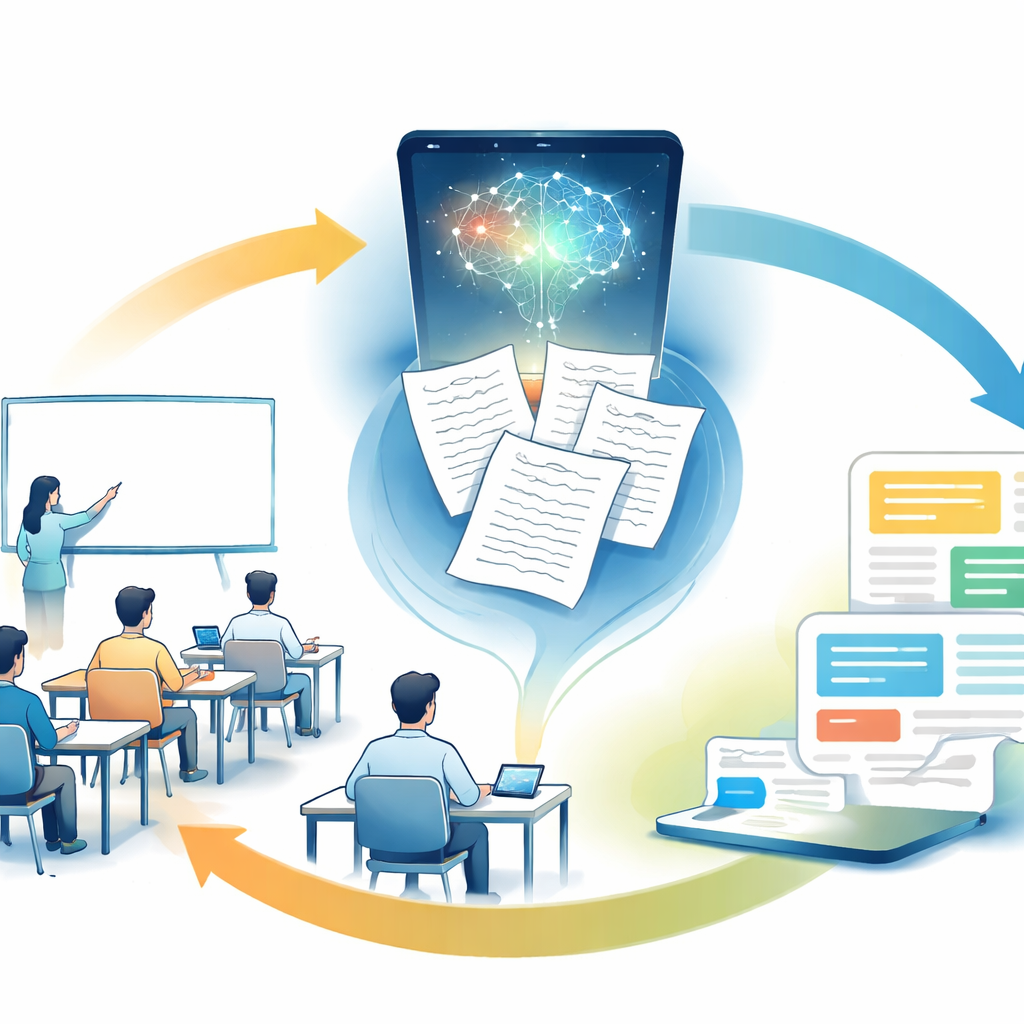
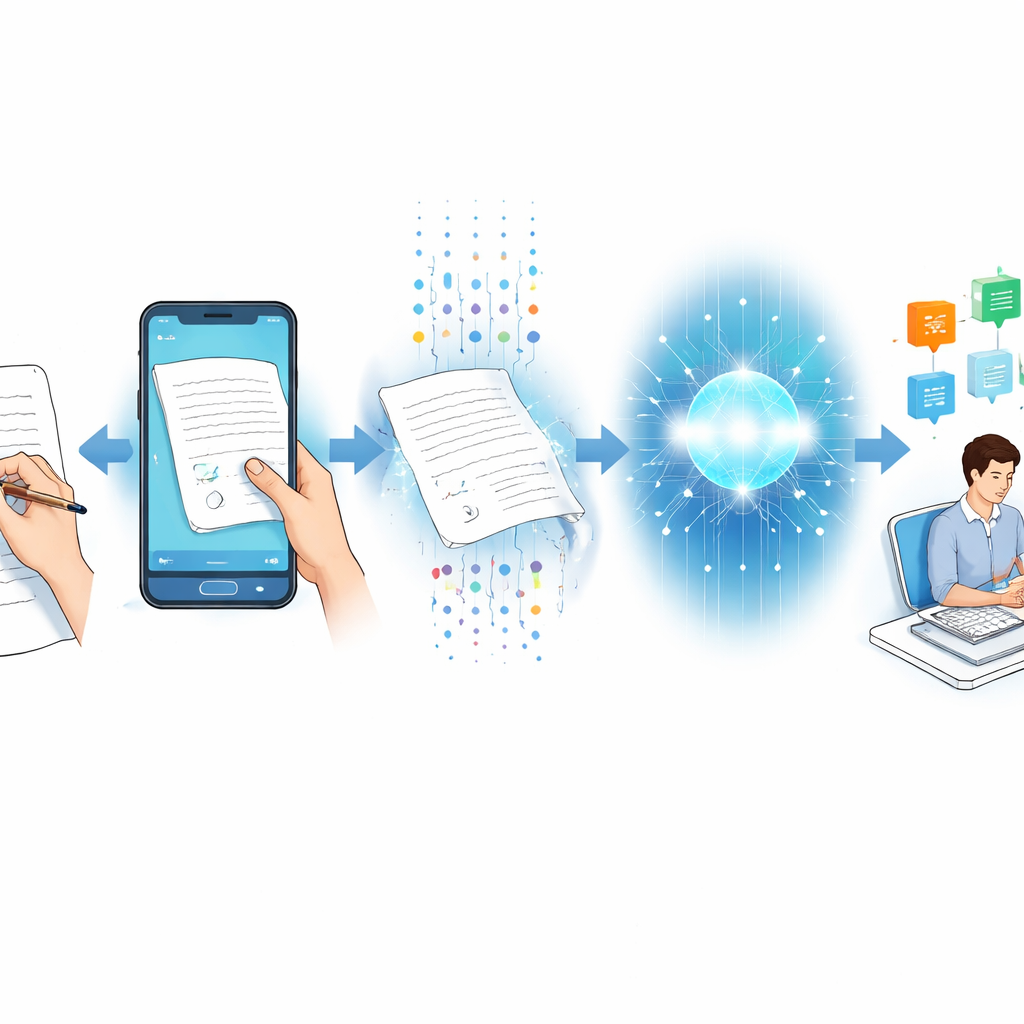
The research took place in a real nursing course during a three-hour lecture on heart care. Students were asked to put away laptops and phones and take handwritten notes instead, reducing digital distractions. After class, 31 volunteers photographed their notes and used an AI system (ChatGPT) to turn them into organised digital text. The AI then added extra relevant information, helping students review what they had written and see the material in a clearer, more structured way.
How the AI Helped Teachers See Inside Student Thinking
The same AI system was also asked to look for key ideas the teacher had defined before the lecture, such as data collection, clinical assessment, diagnosis of chest pain, and treatment steps. For each student’s notes, the AI scored how strongly these ideas appeared and pulled out ten central keywords. The teacher then checked how closely these keywords matched the lecture’s learning goals, rating them as highly relevant, somewhat relevant, or of low relevance. This created a picture of which parts of the lecture students had understood well and which areas might need more explanation next time.
What the Patterns in the Notes Revealed
Across the 31 sets of notes, all the planned key concepts appeared, and most of them received high scores. Topics related to assessment—such as collecting patient data and checking vital signs—were especially strong, suggesting that students followed these sections closely. However, ideas linked to diagnosis and practical follow-up actions, like interpreting chest pain or deciding on breathing treatments, showed more variation. Some students appeared very confident, while others mentioned these points less often or less clearly. The number of words students wrote did not seem to explain these differences, hinting that note quality and focus mattered more than sheer length.
Creating More Frequent Learning Loops
The study frames this process as a series of learning cycles. First, students listen and take notes by hand, which encourages active thinking. Next, AI turns these notes into a cleaner, expanded version, giving students a second pass at the material. Then the AI’s scoring of key ideas and the short personalised feedback it generates offer a third and fourth chance to revisit what was taught, reflect on gaps, and adjust understanding. For teachers, the same data highlight which topics were well understood and which may require new examples, slower pacing, or different teaching methods.
What This Means for Future Classrooms
For a general reader, the key takeaway is that AI does not replace teachers or students’ own effort—it acts as a kind of high-speed mirror. By "reading" handwritten notes at scale, it can return structured feedback to each student and a big-picture overview to the teacher, all without extra grading time. This proof-of-concept does not yet prove that grades or long-term knowledge will improve, and the AI scores themselves still need to be checked against expert judgement. But the work shows a realistic path toward classrooms where simple pen-and-paper habits are strengthened by intelligent tools, making it easier for learners to circle back to important ideas and for educators to fine-tune how they teach.
Citation: Svellingen, A.H. Integrating artificial intelligence to enhance frequency of learning cycles: a proof-of-concept study. Humanit Soc Sci Commun 13, 615 (2026). https://doi.org/10.1057/s41599-026-06928-3
Keywords: nursing education, artificial intelligence, handwritten notes, personalised feedback, learning cycles