Clear Sky Science · en
Data literacy in the labor market: a systematic review
Why everyday workers should care about data skills
In today’s jobs, information flows constantly—from sales dashboards to health records and social media feeds. This article examines “data literacy”: the bundle of everyday abilities needed to understand and use that information at work, even if you are not a data scientist. By reviewing hundreds of studies, the authors show how demand for these skills is surging, how research on the topic is growing, and which practical abilities workers and companies really need to thrive in a data-driven economy.
From buzzword to basic job requirement
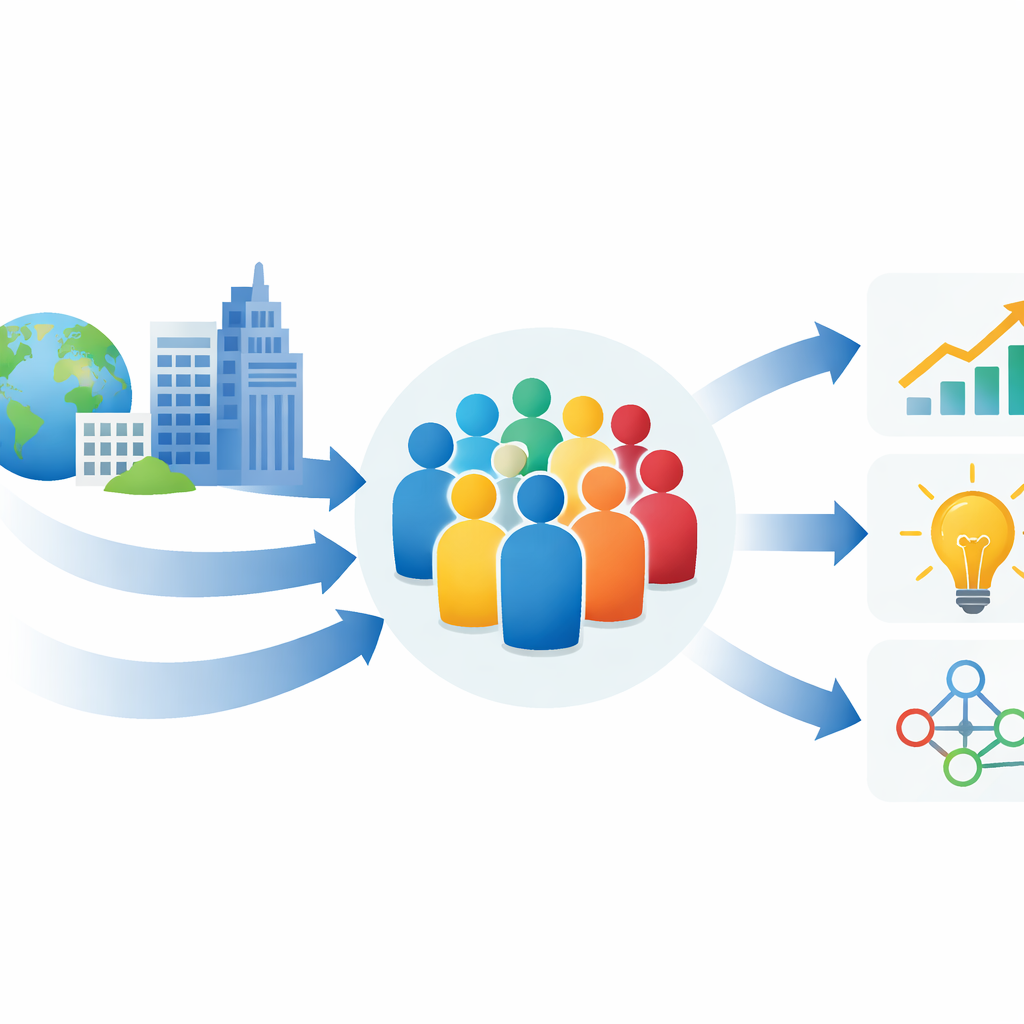
The authors start by placing data literacy within the wider “knowledge economy,” where decisions and innovation increasingly rely on data rather than just intuition or seniority. They distinguish between people who build data systems and models, and the much larger group of workers in every department who now touch data in some way. For these non-specialists, data literacy is not about coding or advanced statistics; it is about feeling confident using data to understand problems, spot patterns, and support decisions. Yet surveys show nearly half of workers say they struggle to read and interpret data, creating a gap between the promise of data-driven business and what organizations can actually achieve.
How data literacy connects to other everyday literacies
The article clarifies how data literacy overlaps with, but is not the same as, other familiar ideas. Statistical literacy focuses on reading statistics produced by others, while information literacy is about finding and judging information sources. Digital literacy concerns using devices and online tools. Algorithm and AI literacy add understanding of how automated systems work. Data literacy sits at the center of these, covering the whole journey from raw numbers to usable insights: knowing where data comes from, how it is stored and processed, how privacy and ownership work, and how to represent it visually. The authors argue that without this foundation, people either mistrust data or treat it as a mysterious “black box.”
What the research landscape reveals
Using bibliometric techniques, the authors scan major scientific databases and find 831 publications linking data literacy and skills, with output doubling since around 2015—a sign that the field is in a rapid growth phase. Most papers come from the United States and a few other high-income countries, and many are tied to education or technical computing topics. After applying filters to remove work focused mainly on teaching students, building infrastructure, or discussing ethics at a broad social level, only 44 articles remained that directly address workers’ cross-cutting data skills. This shows that while the term “data literacy” is widely used, surprisingly little research zeroes in on what ordinary employees in varied roles actually need to know and do.
Core abilities that make someone data-literate
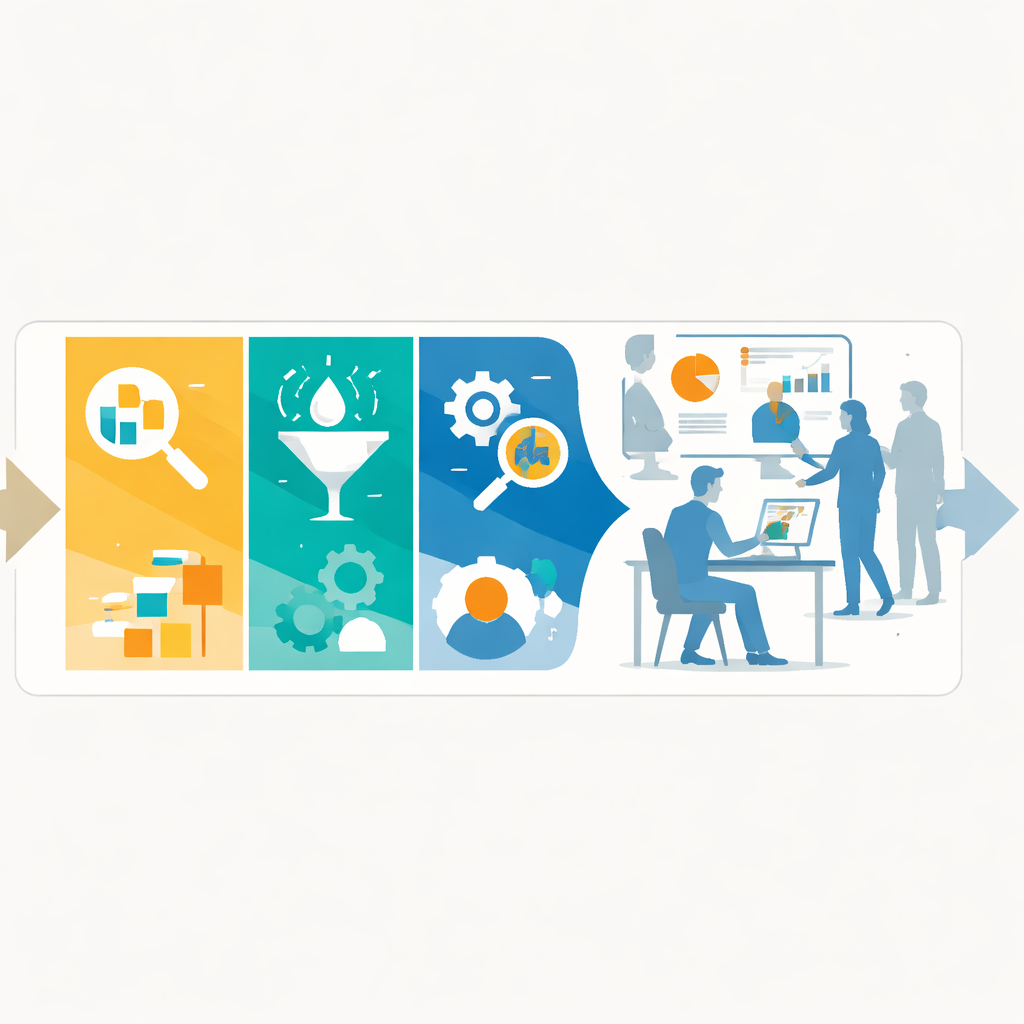
From the filtered studies, the authors extract recurring abilities that together define data literacy in the workplace. These include recognizing what data are needed for a concrete goal, finding and accessing them, judging their quality and relevance, and understanding the context in which they were produced. Workers need enough grasp of analysis methods to choose suitable approaches or to talk productively with specialists, and they must be able to interpret results, question them, and communicate conclusions clearly to others. Legal and ethical awareness—such as respecting privacy rules—is also essential, though its exact demands vary by sector and organizational policies. The authors note that no single person can master every aspect; instead, organizations must assemble complementary skills across roles like data producers, readers, and communicators.
Why role and workplace context matter
A key message of the review is that there is no single, one-size-fits-all definition of data literacy. Instead, the required depth of skill depends on a person’s job, industry, and level of responsibility. A frontline employee may only need to understand simple indicators; a manager must connect data to strategy and risk; a data steward or analyst must handle more technical and regulatory details. The authors suggest thinking in tiers of knowing that a concept exists, understanding it well enough to judge and discuss it, and being able to carry out the task oneself. They also emphasize that an organization’s overall data culture—how people share information, how tools are set up, and how decisions are made—can either amplify or undermine individual skills.
What this means for workers and organizations
For non-specialist workers, the article’s conclusion is reassuring: you do not need to become a programmer, but you do need to get comfortable asking questions with data, understanding where it comes from, and using it to back up your decisions. For companies, data literacy should be treated like a shared second language that allows people in different roles to collaborate effectively. The authors propose a practical definition: data literacy is the set of competencies that let someone identify the data needed for a goal, put those data in context, check their validity, choose or work with appropriate analyses, extract insights, and communicate them. Future work, they argue, should build role-specific skill maps and training paths so that organizations can deliberately grow these capabilities and truly become data-driven.
Citation: Alarcón, A., de Ramón, J., Ginieis, M. et al. Data literacy in the labor market: a systematic review. Humanit Soc Sci Commun 13, 506 (2026). https://doi.org/10.1057/s41599-026-06824-w
Keywords: data literacy, workplace skills, knowledge economy, digital transformation, organizational learning