Clear Sky Science · en
Digital twin technologies for ensuring exam transparency: a case study of the 2024 Moroccan Baccalaureate
Bringing Exams into the Digital Age
Every year, high school exit exams shape the futures of millions of teenagers. Yet paper-based tests are often dogged by rumors of leaked questions, unfair grading, and lost files. This article explores how Morocco used an emerging idea called a “digital twin” to give its 2024 national Baccalaureate exams a secure digital backbone. The result is a glimpse of how technology can make exams more transparent, faster, and fairer for students while cutting bureaucracy for schools.
Why Morocco Chose a New Path
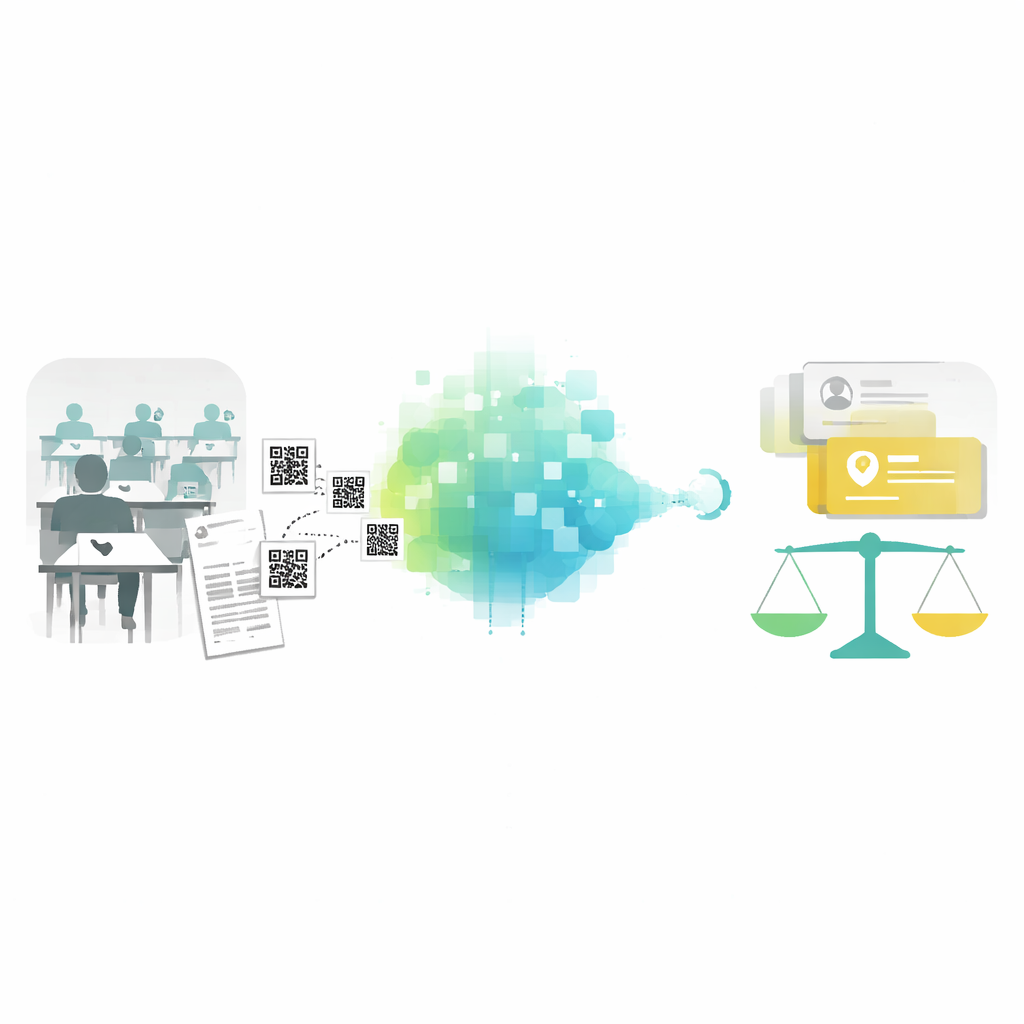
Morocco’s education system, like many around the world, faced mounting pressure to guarantee fair chances for all learners, especially after the COVID-19 pandemic pushed teaching and testing online. To respond, the Ministry of National Education launched an ambitious project: to create a digital counterpart for almost every step of the Baccalaureate exam process. Instead of treating paper exams and digital systems as separate worlds, the ministry adopted a “phygital” approach, blending physical exam rooms, desks, and papers with secure digital records linked to each student. The goal was simple but bold: reduce cheating and errors, speed up procedures, and build public trust in exam results.
How the Digital Twin Exam Works
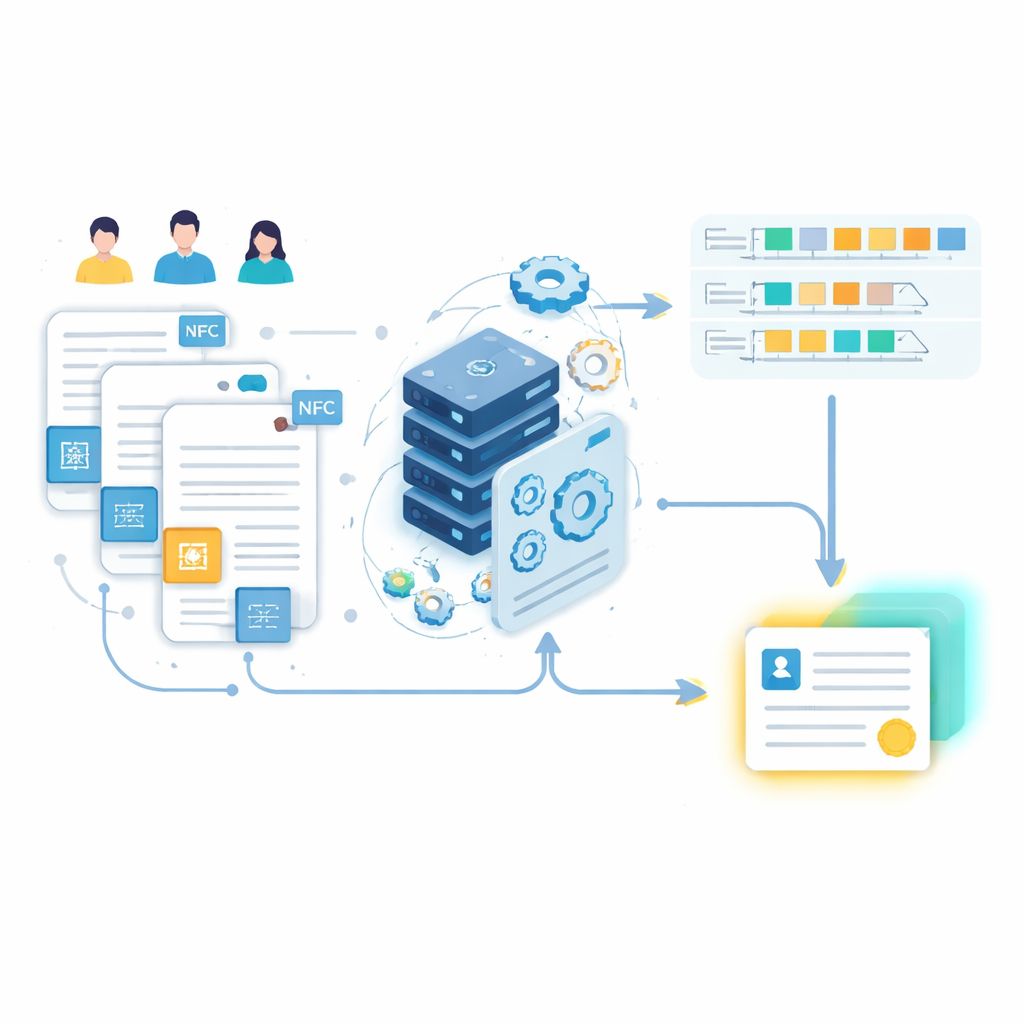
The digital twin system creates a virtual version of each learner’s exam journey. During the 2024 exams, physical elements such as tables, exam papers, and answer sheets were paired with digital tools like QR codes and near-field communication chips. These tiny tags connect each paper to a secure online profile, allowing every script, correction, and result to be tracked in near real time. The process is divided into three main phases: first, exam data are captured and stored; second, correction data are digitized to support fast, reliable grading; and third, students receive a “phygital certificate” that exists both on paper and in authenticated digital form. This certificate can then be reused throughout their academic and professional lives without repeated paperwork.
Inside the Case Study on Moroccan Students
To see how this system worked in practice, the authors focused on the Sidi Slimane district in the Rabat-Salé-Kénitra region, an area with diverse schools and student backgrounds. Here, 3127 candidates took part in the new exam model. The study followed how data moved from classrooms to central platforms and how quickly it could be checked, corrected, and stored. Midway through the exam period, about half of all exam copies had already been securely “twinned,” showing that the system could keep pace with real-time demands. By the end, nearly all papers were processed with a negligible error rate. A survey of successful candidates revealed very high satisfaction, especially with the clarity of steps, the speed of obtaining final certificates, and the comfort of knowing their results were safely archived and easily verifiable.
What This Means for Fairness and Student Experience
The new system did more than just digitize paperwork; it changed how students experienced the exam. Because processes like attendance tracking, script handling, and result transmission were automated and encrypted, there was less room for lost files, favoritism, or manual mistakes. Technologies such as augmented reality and secure mobile access helped students understand procedures, view important information, and feel more in control. Early comparisons between 2023 and 2024 scores suggest that reforms and digital tools together reshaped performance patterns, hinting at improvements in exam quality and consistency. At the same time, the project exposed challenges, from uneven digital infrastructure between regions to concerns about data privacy and the cost of equipment and training.
Looking Ahead to Smarter and Fairer Exams
In plain terms, the article concludes that digital twin technology can make national exams more trustworthy, faster, and easier to manage. By turning each stage of the Moroccan Baccalaureate into a secure digital journey that mirrors the physical one, authorities created a system where cheating is harder, errors are rarer, and records are easier to check. Students benefit from quicker, safer access to their diplomas and a smoother transition into further study or work. However, the authors stress that success depends on protecting personal data, narrowing the digital divide, and keeping human judgment at the heart of education. If these conditions are met, Morocco’s experiment could serve as a blueprint for countries seeking exams that are not only high-tech, but also more fair and inclusive.
Citation: Boudine, H., Bentaleb, M., Tayebi, M. et al. Digital twin technologies for ensuring exam transparency: a case study of the 2024 Moroccan Baccalaureate. Humanit Soc Sci Commun 13, 399 (2026). https://doi.org/10.1057/s41599-026-06628-y
Keywords: digital twin exams, phygital education, Moroccan Baccalaureate, exam transparency, educational technology