Clear Sky Science · en
Life events as predictors of wellbeing outcomes
Why Big Moments Matter for Everyday Feelings
Weddings and layoffs, new babies and scary diagnoses, moving to a new city or posting big news online—these turning points do more than mark chapters in our lives. They quietly reshape how we feel day to day: our moods, our stress, our anxiety, and even how we sleep. This study followed hundreds of working adults over a year to see how specific kinds of life events, and the way people experience and share them, are linked to short-term wellbeing. The results offer a more nuanced view of why some life changes lift us up while others wear us down, and how our personalities and online habits fit into the picture. 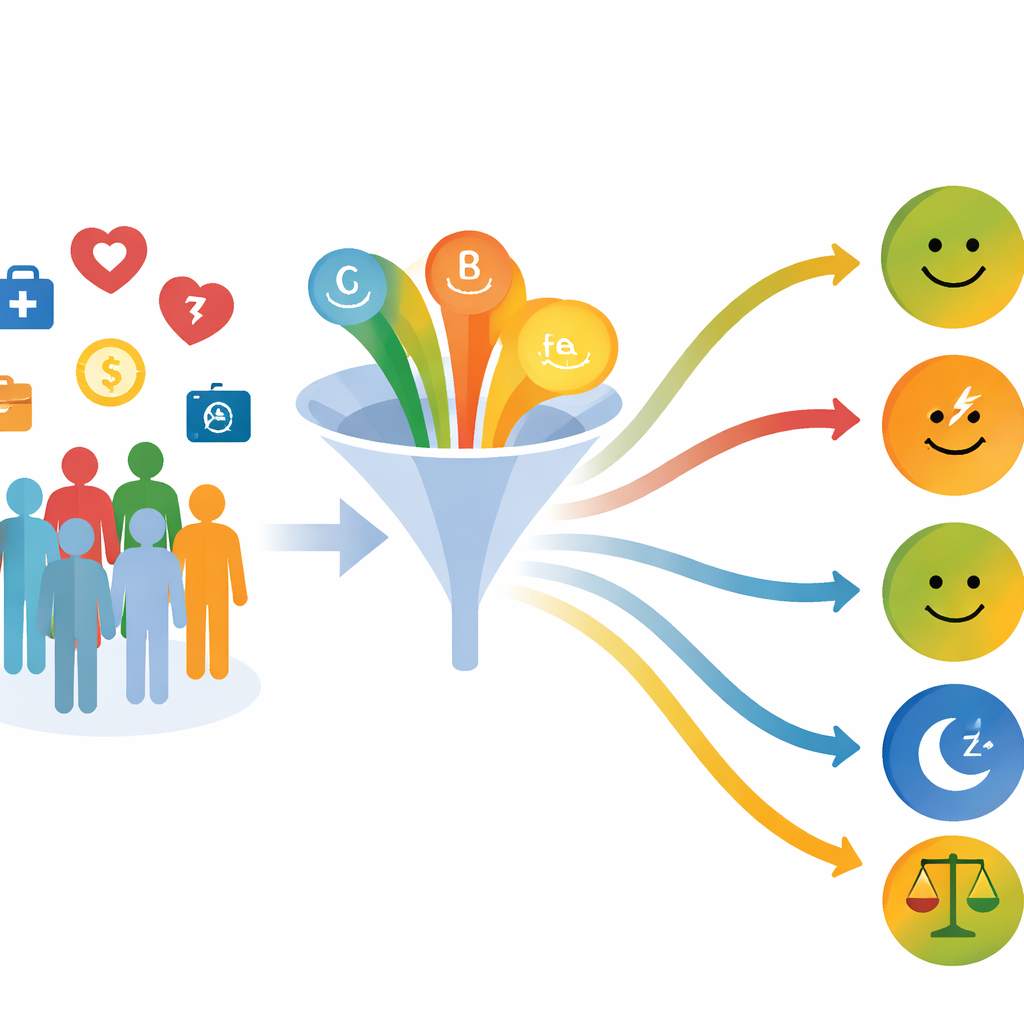
Following People Through a Year of Change
Researchers drew on the Tesserae project, which tracked 493 U.S. information workers aged 21 to 68 for up to a year. Participants answered daily mini-surveys about their moods (positive and negative feelings), stress, anxiety, and hours of sleep. At the end of the study, they also completed a detailed questionnaire about important life events they had experienced that year—such as health scares, job changes, personal milestones, and local disruptions—and rated each event on qualities like how positive or negative it felt, whether they saw it coming, how personal or intimate it was, how long it lasted, and how significant it seemed. For about two-thirds of the group, the team also examined Facebook posts, which had been carefully coded to identify when people disclosed a life event online and what kind of event it was.
Zooming In on What Makes Events Feel Different
Instead of simply counting how many big events people had, the researchers asked a more fine-grained question: what features of each event are tied to short-term changes in wellbeing? To answer this, they matched the date of every reported event with a seven-day window of daily wellbeing reports—three days before, the day of, and three days after the event. They then used statistical models that combined two bundles of information: who the person is (age, gender, personality traits, long-term emotional tendencies, typical sleep quality) and what the event is like (type, emotional tone, intimacy, duration, and whether it was shared on Facebook). Models that included both personal traits and event features explained much more of the ups and downs in people’s feelings and sleep than models using either set alone, underscoring that wellbeing is shaped jointly by who we are and what happens to us. 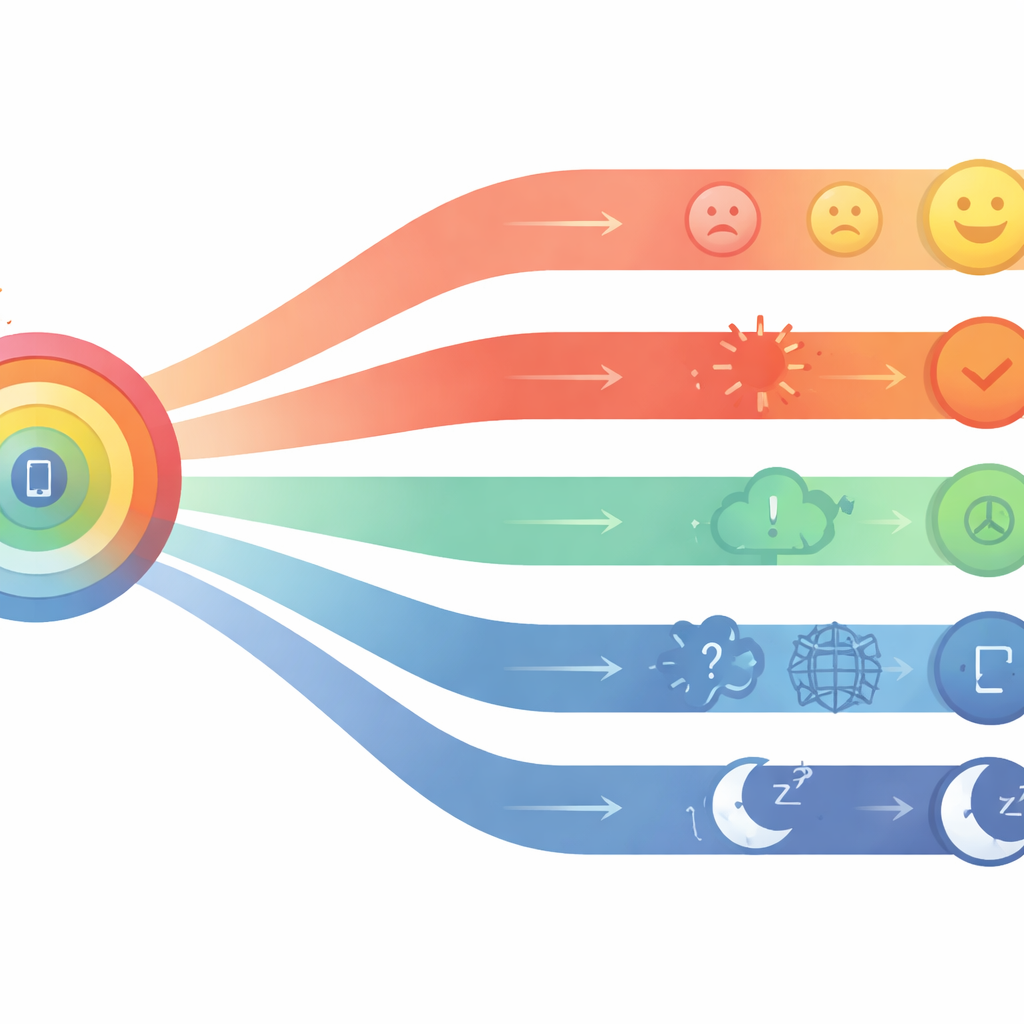
How Health, Anticipation, and Intimacy Shape Feelings
Some patterns were striking. Health-related events—such as illnesses or injuries—were strongly tied to worse outcomes: more negative feelings, higher stress, and poorer sleep. Events that people had been expecting, whether pleasant or not, tended to be linked with more positive feelings and less negative mood, but also with worse sleep, hinting at a trade-off between emotional preparation and bedtime restlessness. The emotional tone of an event also mattered: positive events went hand in hand with better moods and lower stress and anxiety, while negative events showed the opposite pattern. Highly intimate events—deeply personal or sensitive experiences that people might struggle to talk about—were associated with lower positive mood, suggesting that carrying private burdens can sap the capacity for joy, even when other aspects of life are going well.
When Events Stretch Out and Go Online
Not all events are quick shocks; some unfold over days or weeks. The study found that these ongoing events were associated with both stronger positive and stronger negative feelings, as well as increased stress and anxiety—an emotional mix consistent with long-running challenges like caring for a loved one or navigating a tough project. Sharing life events on Facebook added another twist: people who disclosed their events online tended to report more positive mood, less negative mood, and lower stress and anxiety around those times, suggesting that opening up—even digitally—may bring emotional relief or support. Yet these same disclosures were linked to poorer sleep, possibly because late-night phone use and emotional engagement online interfere with winding down.
What This Means for Everyday Wellbeing
Overall, the study shows that the impact of life events on wellbeing is not one-size-fits-all. It depends on what kind of event it is, how long it lasts, how personally sensitive it feels, whether we see it coming, and how we choose to share it. By looking at life events in this more detailed way, the research suggests new directions for mental health tools and supports—for example, apps that offer calming strategies before a big anticipated event, extra check-ins during long-running stressors, or gentle guidance around how and when to share sensitive news online. For a layperson, the takeaway is simple: major moments leave short-term fingerprints on mood, stress, anxiety, and sleep, but understanding the specific features of those moments can help us anticipate when we might need extra care, rest, or support from others.
Citation: Saha, K., Yoo, D.W., Das Swain, V. et al. Life events as predictors of wellbeing outcomes. npj Digit. Public Health 1, 5 (2026). https://doi.org/10.1038/s44482-025-00005-3
Keywords: life events, mental wellbeing, stress and anxiety, sleep quality, digital health