Clear Sky Science · en
Taking the
Why Wildfire Warnings Matter to Everyday Life
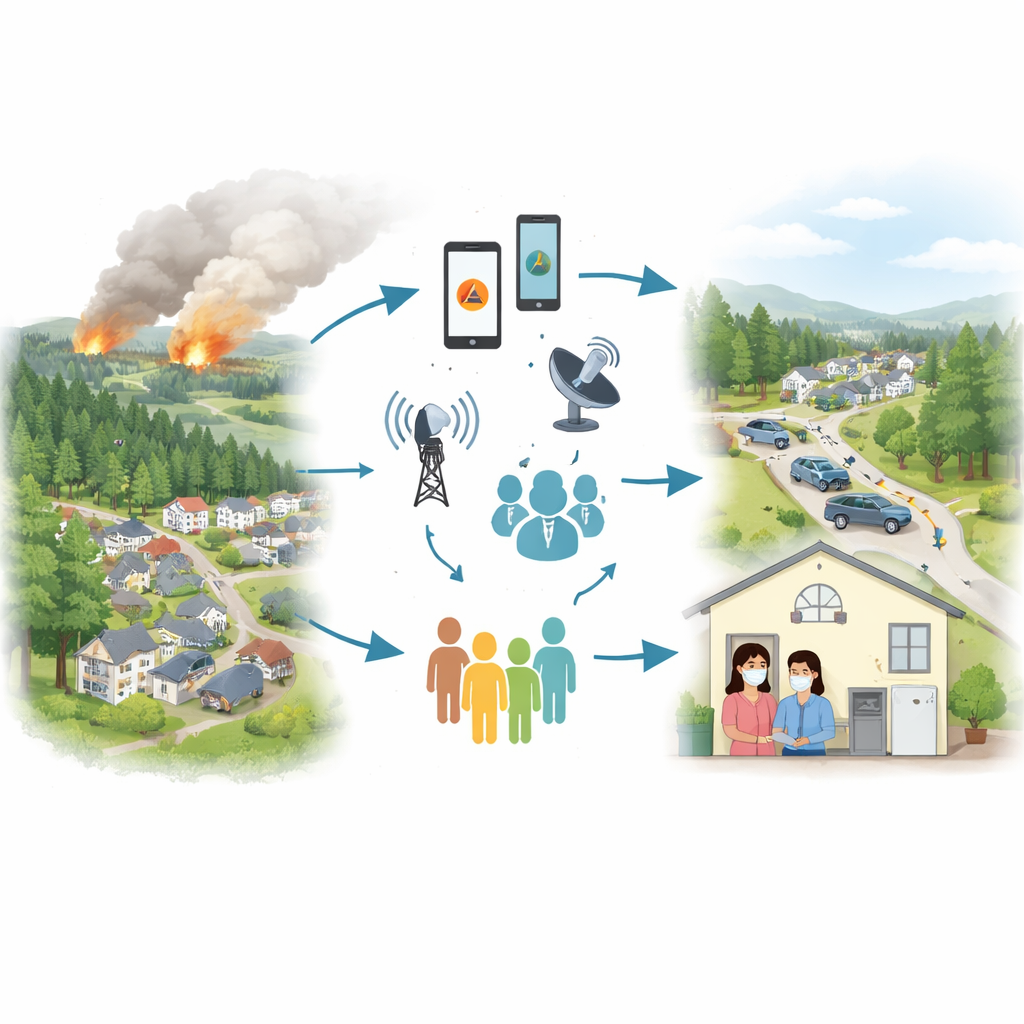
Wildfires are no longer rare disasters on distant hillsides—they are becoming a regular part of life for communities from California to Canada, Hawaii, and Spain. Beyond burning trees and homes, wildfires fill the air with smoke that can irritate lungs, strain hospitals, and disrupt daily routines for weeks. This study asks a simple but powerful question: how do information, trust, and mental readiness shape whether people stay safe and healthy when the sky turns orange?
From Flames in the Forest to Smoke in the City
The researchers surveyed 156 people living in wildfire-affected regions of Los Angeles, Hawaii, several provinces in Canada, and Asturias in northern Spain. Participants included residents and local experts who had direct experience with fire, smoke, or evacuations. The team wanted to understand not only who was exposed to wildfires but also how people learned about the danger, how prepared they felt, and how this related to their physical and mental health. By looking across different countries and types of communities, the study paints a broader picture of how societies are coping as wildfires grow more frequent and intense under climate change.
Mixed Grades for Governments and Warning Systems
Across all four regions, confidence in official wildfire planning and communication was strikingly low. Fewer than one in three respondents thought local preparedness efforts were effective, and only about one in five rated communication positively. Many people felt that alerts were not clear enough, came too late, or were hard to act on. Only 19% said evacuation plans were easy to access or understand. At the same time, the health toll of wildfire smoke was widespread: most respondents reported symptoms such as coughing, throat irritation, or breathing difficulties, and more than half had evacuated at least once because of fire or smoke. These numbers underscore a gap between the growing threat and the systems meant to protect people.
The Power and Pitfalls of Social Networks
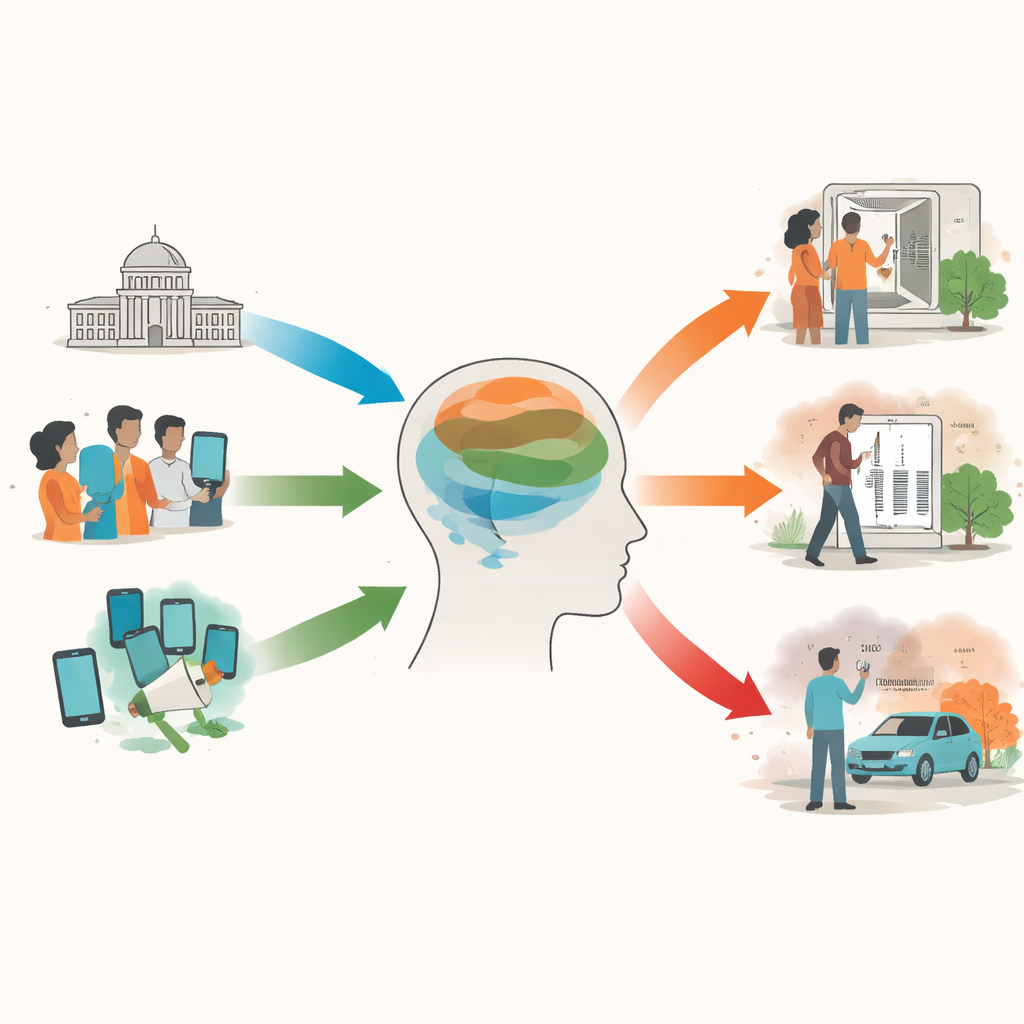
The study shows that the channels people use to get information can either strengthen or weaken their safety. Government alerts and social media were seen as the most useful sources, with word of mouth and traditional media playing a supporting role. Where formal systems were weaker, such as in parts of Hawaii and Asturias, people leaned heavily on neighbors and online networks. These informal pathways often spread news quickly and built trust, but they also risked amplifying rumors and confusion. Statistical analyses revealed that those who saw evacuation plans as safe and fair reported fewer breathing problems, highlighting how psychological reassurance can translate into better health. Likewise, the perceived fairness of distributing tools like air purifiers was linked with fewer respiratory symptoms, suggesting that feeling cared for matters as much as the hardware itself.
Different Places, Different Communication Mixes
To dig deeper, the researchers used a method that looks for combinations of conditions rather than single causes. In Canada and Los Angeles, strong institutional systems—such as air quality monitoring, health advisories, clean-air shelters, and multi-channel evacuation alerts—formed the backbone of effective wildfire governance. Risk awareness and timely, clear communication emerged as near-universal ingredients of success. Yet even there, personal preparedness resources, like masks and air filters, were unevenly available. In Hawaii and Asturias, where official systems were more limited, communities stitched together their own strategies by relying on neighbors, social media, and flexible local networks. These arrangements helped fill gaps but were more fragile and inconsistent over time.
Mind over Smoke: Why Perception Shapes Impact
One of the most intriguing findings is that people’s sense of being harmed by wildfires did not closely track how well they thought their governments were performing. Instead, personal experiences, stories shared on social media, and conversations with friends had more influence. Social media use, in particular, was tied to a stronger feeling that wildfires had affected one’s life, possibly because images and personal accounts heighten emotional reactions. Those who believed climate change plays a major role in fueling wildfires were also more likely to see public health measures as meaningful, suggesting that environmental understanding can foster trust. Meanwhile, tangible, short-term protections—like masks, air purifiers, and clean-air shelters—made more sense to people than long-term policy shifts, revealing a communication gap around slow, systemic solutions.
What This Means for Safer Fire Seasons
In everyday terms, this study shows that surviving wildfire season is not just about fire engines and water drops from the sky. It is also about whether people can easily find and trust clear instructions, whether they feel that plans are fair and reachable, and whether their neighbors and online communities help or hinder that process. The authors argue that governments and communities should invest in social infrastructure—trusted local messengers, multi-channel warning systems, and participatory planning—alongside physical defenses like shelters and filters. By blending strong institutions with the power of community networks, societies can better protect both lungs and peace of mind as wildfires intensify in a warming world.
Citation: Naeem, A., Hicks, A., Ruano, A.L. et al. Taking the "wild" out of wildfires—harnessing information infrastructure data to predict, prevent, and prepare for the future. npj Environ. Soc. Sci. 1, 3 (2026). https://doi.org/10.1038/s44432-026-00008-2
Keywords: wildfire communication, risk perception, social media, community preparedness, public health