Clear Sky Science · en
Prevalence and correlates of neurocognitive impairment among older persons in rural Eastern Uganda
Why this matters for aging families
As people live longer, more families around the world are caring for older relatives with memory and thinking problems. Yet little is known about how common these problems are in rural African communities, or which everyday conditions make them better or worse. This study focuses on older adults in rural eastern Uganda, offering a rare, ground-level look at how education, nutrition, family connections, and living conditions shape brain health in later life.
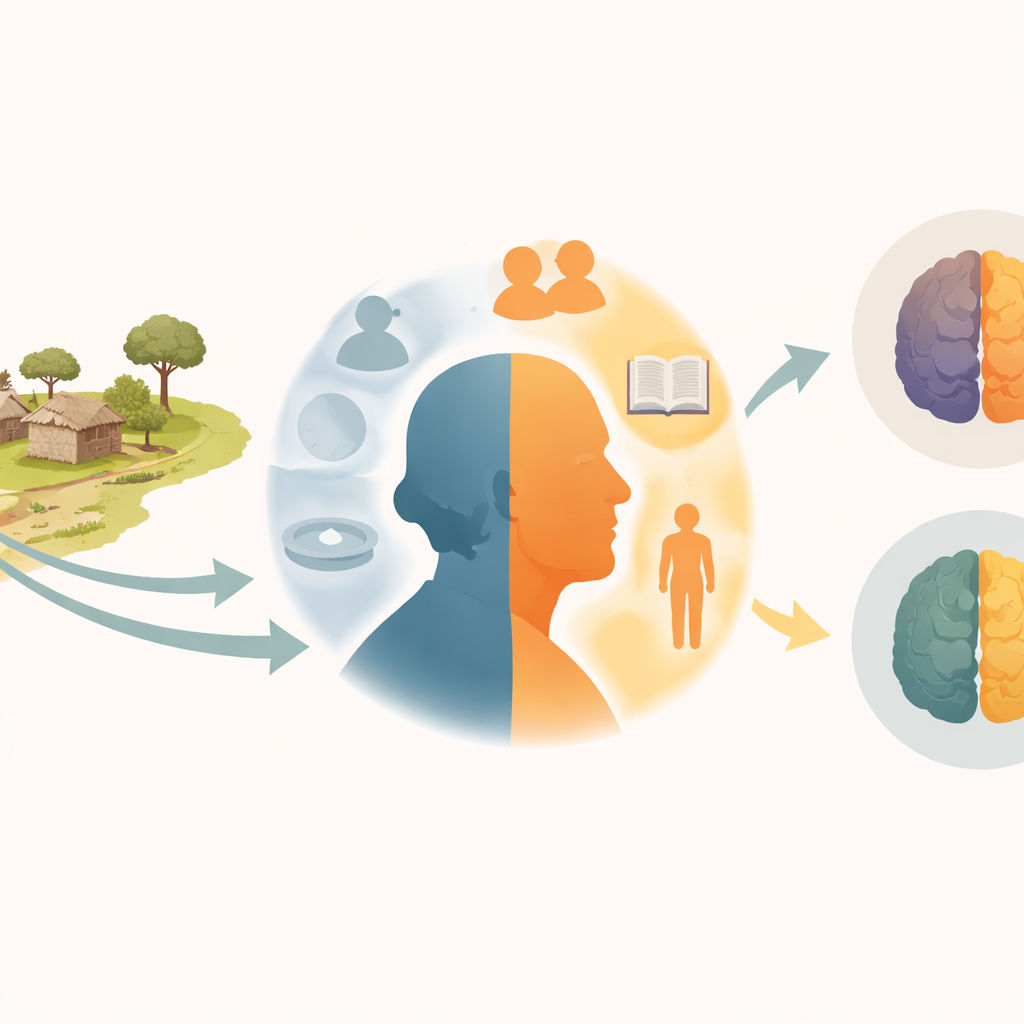
Taking the pulse of brain health in remote villages
Researchers visited homes across two rural districts, Busia and Namayingo, between late 2023 and 2024. They interviewed 598 people aged 60 and older, along with a family member or caregiver, using a dementia screening tool designed especially for older Africans who may not read or write. They also asked about daily functioning, such as handling household tasks, and collected information on schooling, religion, marital status, mood, social ties, body weight, smoking, alcohol use, and basic medical conditions like high blood pressure and diabetes. This door-to-door approach allowed them to reach many elders who rarely see a doctor.
How common memory and thinking problems were
The study found that about one in five older adults showed signs of neurocognitive impairment—meaning noticeable problems with memory or thinking—and about one in eight met criteria for dementia, where these problems interfere with everyday life. Many participants had very limited schooling: nearly 40% had never attended formal education. Most had spent their lives farming, and more than half were no longer in paid work. While some medical conditions like high blood pressure and high blood sugar were present, undernutrition was also common, with roughly a quarter classified as underweight. More than half screened positive for moderate to severe depression, and about half were living alone or described as socially isolated.
Risk and protection in everyday life
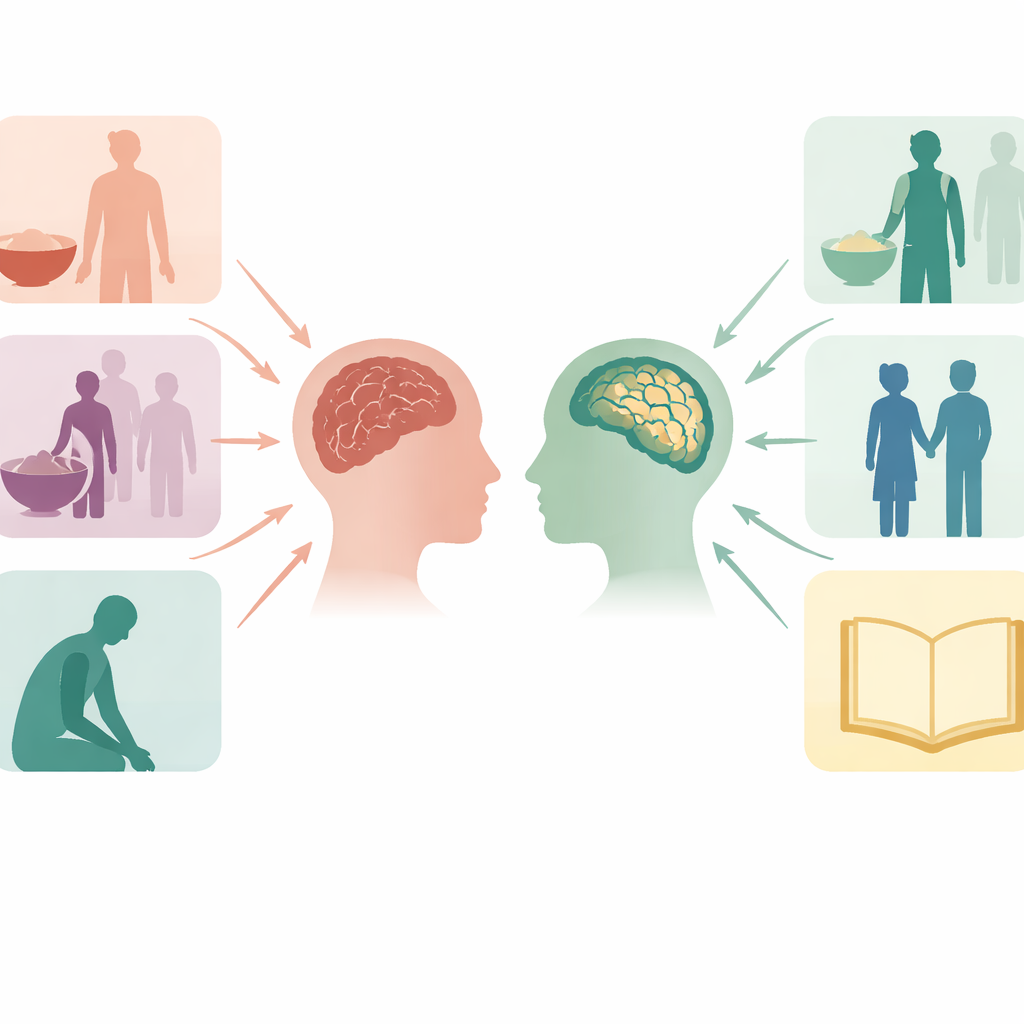
When the researchers looked more closely, older age—especially 80 years and above—was strongly linked with higher odds of cognitive problems. Being underweight also appeared risky, while having a normal or higher body weight was surprisingly protective in this setting, likely reflecting better nutrition and general health in communities where food insecurity is common. People with no formal education had much higher chances of neurocognitive impairment than those who finished primary school or more, supporting the idea that years of learning help build a “reserve” that protects the brain as it ages. Smoking and depression were more frequent among those with cognitive problems, even if they did not remain strong predictors in the final statistical models, suggesting they still deserve attention in prevention efforts.
The role of relationships, faith, and the home environment
Social and spiritual life also mattered. Older adults who were currently married were less likely to have cognitive impairment than those who were widowed, divorced, or never married, highlighting how close emotional bonds may shield brain health by providing support, stimulation, and routine. Belonging to Pentecostal or certain other religious groups seemed protective as well, possibly because frequent group worship and communal activities keep people mentally and socially engaged. Interestingly, the type of household lighting showed a pattern: those using paraffin lamps were more likely to have cognitive problems, while those using firewood or other fuels fared better than expected. The authors suggest that paraffin lamps may expose people to harmful indoor air pollution, while firewood use might be a marker for more physically active, outdoor lifestyles.
What this means for preventing memory loss
For families and health planners, the message is both sobering and hopeful. Dementia and milder forms of cognitive decline are already common among older people in rural eastern Uganda, and the numbers will likely rise as the population ages. But the study shows that many influences on brain health—good nutrition, opportunities for learning, strong marriages and social ties, and cleaner home environments—are modifiable. Programs that improve food security for elders, expand adult education, encourage social and religious engagement, and reduce indoor air pollution could all help older adults maintain their memory and independence for longer. Even in very poor, remote settings, small, community-based changes may meaningfully reduce the burden of dementia.
Citation: Wandera, S.O., Nolasco, M., Kawooya, S. et al. Prevalence and correlates of neurocognitive impairment among older persons in rural Eastern Uganda. npj Dement. 2, 28 (2026). https://doi.org/10.1038/s44400-026-00077-9
Keywords: dementia, older adults, rural Uganda, brain health, nutrition