Clear Sky Science · en
Prebiotic xylo-oligosaccharides for alleviation of hepatic steatosis: results from a four-month dietary intervention and determinants of response
Why gut-friendly fiber matters for fatty liver
Many people carrying extra weight also carry extra fat in their liver, often without knowing it. This silent buildup, now called metabolic dysfunction–associated steatotic liver disease, can progress toward serious liver damage but is still reversible in its early stages. The study described here asks a simple, practical question: can a small daily dose of a special fiber, taken as a supplement, gently steer our gut microbes in a healthier direction and, in some people, help shrink liver fat without drastic diet changes?
A common but hidden problem
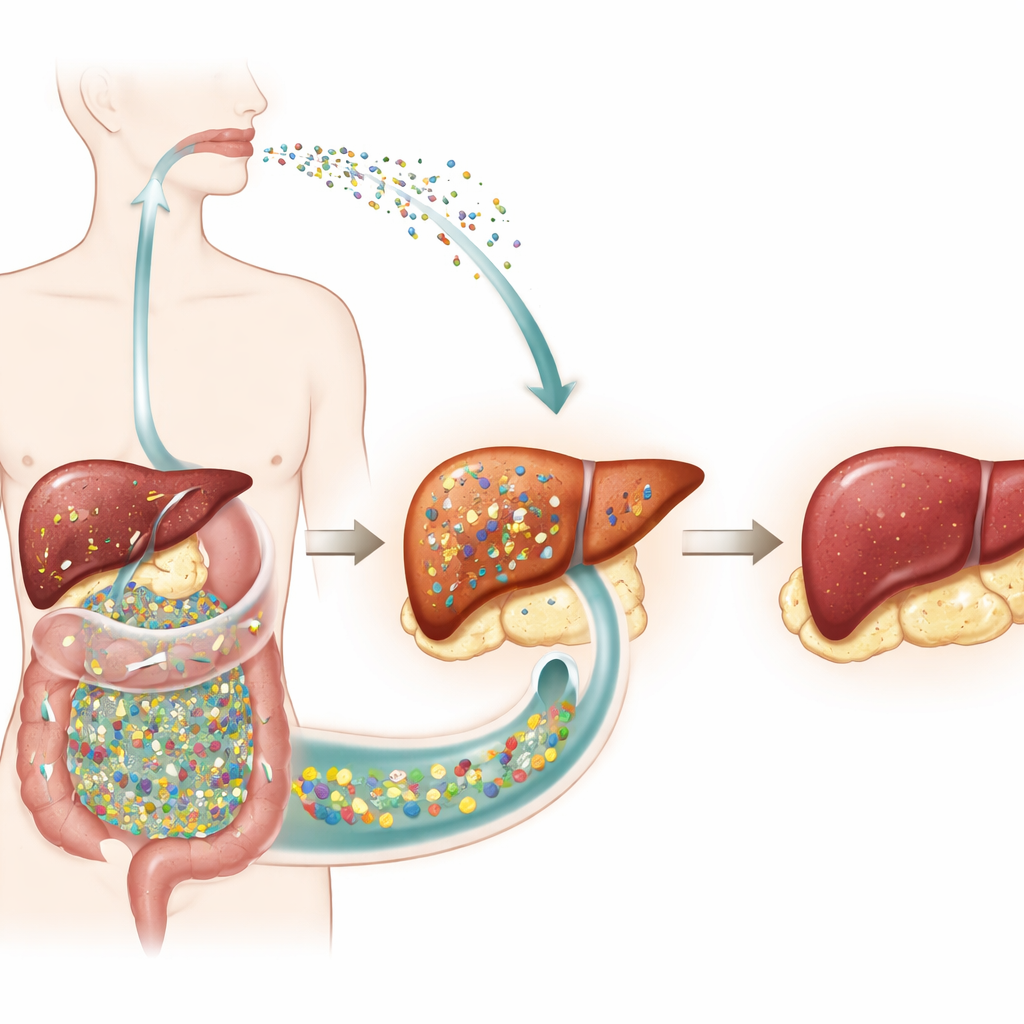
Fatty liver has become strikingly common, affecting the majority of people with overweight or obesity. It is linked with type 2 diabetes, heart disease, and eventually cirrhosis or liver cancer if allowed to progress. Doctors often recommend weight loss through diet and exercise, which can work well but is hard to maintain for many. Meanwhile, scientists have discovered that the gut and liver are tightly connected. Microbes in the intestines turn our food into a host of small molecules that ride directly to the liver through a shared blood vessel system, shaping inflammation, fat storage, and energy use. This tight connection raises the possibility that adjusting the microbiome with specific fibers could provide extra help for the liver.
A four-month test of a targeted fiber
The researchers focused on xylo-oligosaccharides, or XOS, a prebiotic fiber made of short chains of sugar units that humans cannot digest but certain gut bacteria can. Earlier animal work suggested that XOS encourages the growth of beneficial, carbohydrate-loving microbes and reduces liver fat. In this human study, 49 adults with overweight or obesity and large waistlines were enrolled; 42 completed a four-month daily XOS supplement after a one-month control period of usual habits. Participants kept their normal diets and activity, while researchers carefully measured liver fat by MRI, body fat distribution, routine blood markers, and detailed profiles of both gut microbes and hundreds of small molecules in stool and blood.
Mixed liver responses but clear gut shifts
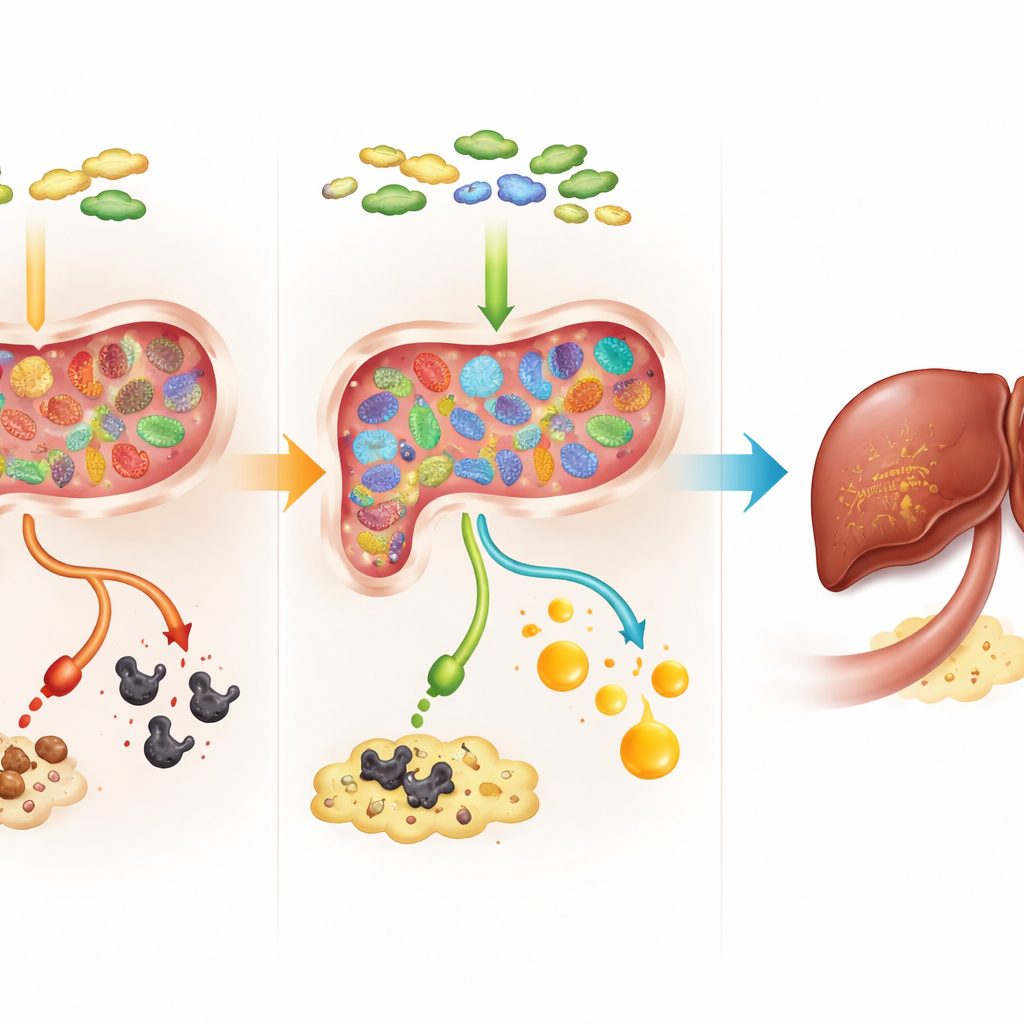
Liver fat did not move in the same direction for everyone. Some participants, labeled responders, reduced their liver fat by at least three percentage points and also lost visceral and total body fat. Others with significant liver fat showed little change, and a third group started with very low liver fat. Despite this mixed outcome, the XOS supplement produced clear signs of change in the gut. Certain bacterial groups associated with protein breakdown declined, while chemical traces of protein fermentation—small compounds made from amino acids such as isobutyrate, isovalerate, and phenylacetate—tended to fall during the XOS period. At the same time, the overall pattern of molecules in the blood stayed relatively stable, suggesting that early benefits played out mostly within the gut and in liver and fat tissue rather than dramatically reshaping the bloodstream chemistry in just four months.
Who benefited most and why
By comparing responders and non-responders, the team found a consistent picture. Before taking XOS, responders tended to have more visceral fat, higher levels of certain amino acids in their blood, and gut communities geared toward intensive protein breakdown. In particular, they had a higher balance of one common bacterial group over another, a sign of active protein fermentation. Their stool contained more of the same protein-derived compounds that are linked with liver fat. After months of XOS, this imbalance began to ease: markers of protein fermentation declined, and the relative makeup of key bacterial groups shifted. Statistical models combining waist size, stool markers of protein breakdown, that bacterial balance, and several blood amino acids could predict who would respond quite well, hinting at the potential for pre-screening patients before recommending this type of fiber.
What this means for everyday health
Put simply, the study suggests that in people with early-stage fatty liver and a gut tilted toward heavy protein fermentation, a modest daily dose of XOS fiber can nudge the microbiome toward using more carbohydrates and producing fewer potentially harmful by-products. For a subset of participants, this shift went hand in hand with lower liver fat and reduced deep belly fat, even without strict dieting. Not everyone benefited: those whose blood chemistry hinted at more advanced liver stress seemed less able to respond. The work therefore points toward a future where a simple panel of blood and stool tests could identify who is likely to gain the most from a prebiotic like XOS, used alongside lifestyle changes. While larger, controlled trials are still needed, this study reinforces the idea that feeding your gut microbes the right kind of fiber may become an important tool in protecting your liver.
Citation: Hintikka, J.E., Permi, P., Lehtonen, M. et al. Prebiotic xylo-oligosaccharides for alleviation of hepatic steatosis: results from a four-month dietary intervention and determinants of response. npj Gut Liver 3, 15 (2026). https://doi.org/10.1038/s44355-026-00066-y
Keywords: fatty liver, gut microbiome, prebiotic fiber, xylo-oligosaccharides, metabolic health