Clear Sky Science · en
Personalized machine learning guided intervention for optimizing lifestyle behaviors in depression: a pilot study
Why your daily habits matter for your mood
Many people living with depression are told to exercise more, sleep better, eat well, or be more social, but it is hard to know which of these changes will actually help most. This study tested a new way to use data from smartphones, smartwatches, and artificial intelligence to discover which lifestyle habit most strongly links to each person’s mood, and then built a simple, personalized plan around that single target.
A new kind of personalized care
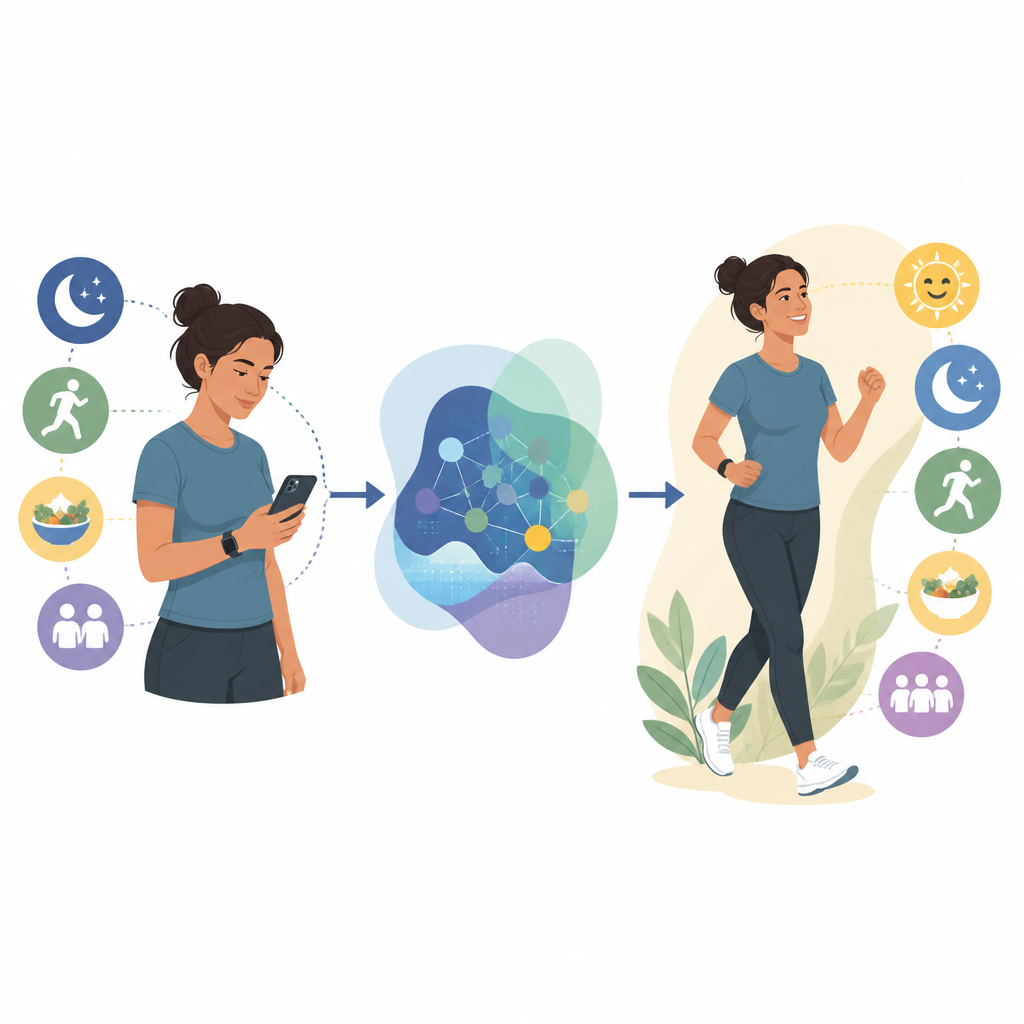
The researchers ran a pilot clinical trial called Personalized Mood Augmentation, or PerMA, with 50 adults who had mild to moderate depression. Instead of giving everyone the same advice, they first collected two to four weeks of real-world information using short phone surveys and smartwatch data. These tools tracked mood throughout the day along with sleep patterns, physical activity, eating habits, and levels of social connection, creating a detailed picture of how each person’s daily life and feelings moved together over time.
Letting the data reveal the key habit
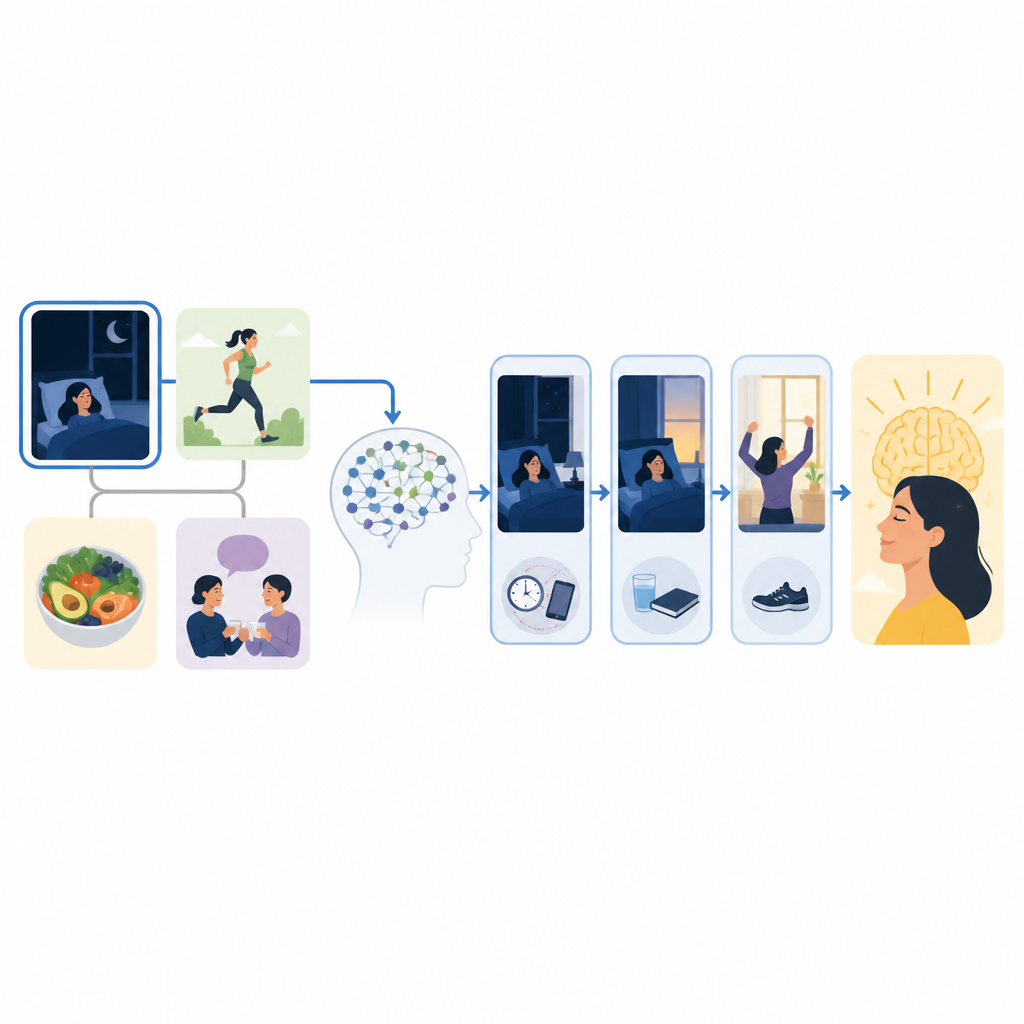
Using these personal data streams, the team built an individual machine learning model for each participant. The model’s job was to find which lifestyle features best predicted that person’s changes in mood. To make the results understandable, the researchers used a method that ranks the most important lifestyle factors for each individual. From this ranking, trained health coaches chose one main focus area for a six-week plan: sleep, exercise, diet, or social connection. The plan, called an individualized mood augmentation plan, or iMAP, translated the data patterns into practical steps the participant could try in daily life.
Coaching support and real-world change
During the six-week intervention phase, participants met virtually with a health coach for about 20 minutes once a week. Coaches were medical trainees who had been trained to explain the data in plain language and to guide behavior change using well-established lifestyle strategies, such as setting regular bedtimes, planning walks, improving meal choices, or scheduling social activities. Participants also continued to complete a brief mood and lifestyle check-in once a day so the researchers could see how mood and the targeted habit shifted during the coaching period.
What improved when habits were tailored
Forty participants completed the full program. On average, their depression scores dropped by an amount considered a large improvement, and more than half no longer met criteria for depression after six weeks. Anxiety symptoms lessened, quality of life scores rose, and people reported feeling more mindful in daily life. Computer-based tests showed better attention and working memory, skills that are often dulled by depression. Importantly, the day-to-day data confirmed that people improved most in the single lifestyle domain chosen for them, and these targeted changes were tightly linked to improvements in their mood, while untargeted habits did not shift as much.
Looking ahead to broader use
This early study suggests that using personal data and simple artificial intelligence tools to match people with the lifestyle change that matters most to their own mood can meaningfully reduce depression symptoms and improve thinking and quality of life. Because the approach relies on widely available devices and brief coaching, it could one day make effective, low-risk help more accessible at scale. Larger, controlled trials are still needed, but the findings point toward a future where depression care can be tuned to the rhythms and habits of each individual person.
Citation: Nan, J., Purpura, S., Jaiswal, S. et al. Personalized machine learning guided intervention for optimizing lifestyle behaviors in depression: a pilot study. NPP—Digit Psychiatry Neurosci 4, 10 (2026). https://doi.org/10.1038/s44277-026-00062-3
Keywords: personalized depression treatment, lifestyle intervention, machine learning, digital mental health, smartwatch mood tracking