Clear Sky Science · en
Global emergence, evolution and international dissemination of the ST145 Klebsiella oxytoca lineage
Why this hidden hospital germ matters
Klebsiella oxytoca is a mouthful to say, but it is a germ that more and more hospitals are worried about. Although its cousin Klebsiella pneumoniae gets most of the attention, K. oxytoca can also cause serious infections in the blood, lungs, and urinary tract. This study shows that a particular family of K. oxytoca, called ST145, is quietly spreading around the world while collecting genes that make it resistant to some of our last‑resort antibiotics. Understanding where this lineage came from, how it spreads, and why it is so hardy can help doctors and public‑health officials keep it in check.
A patient, a stubborn infection, and a worrying clue
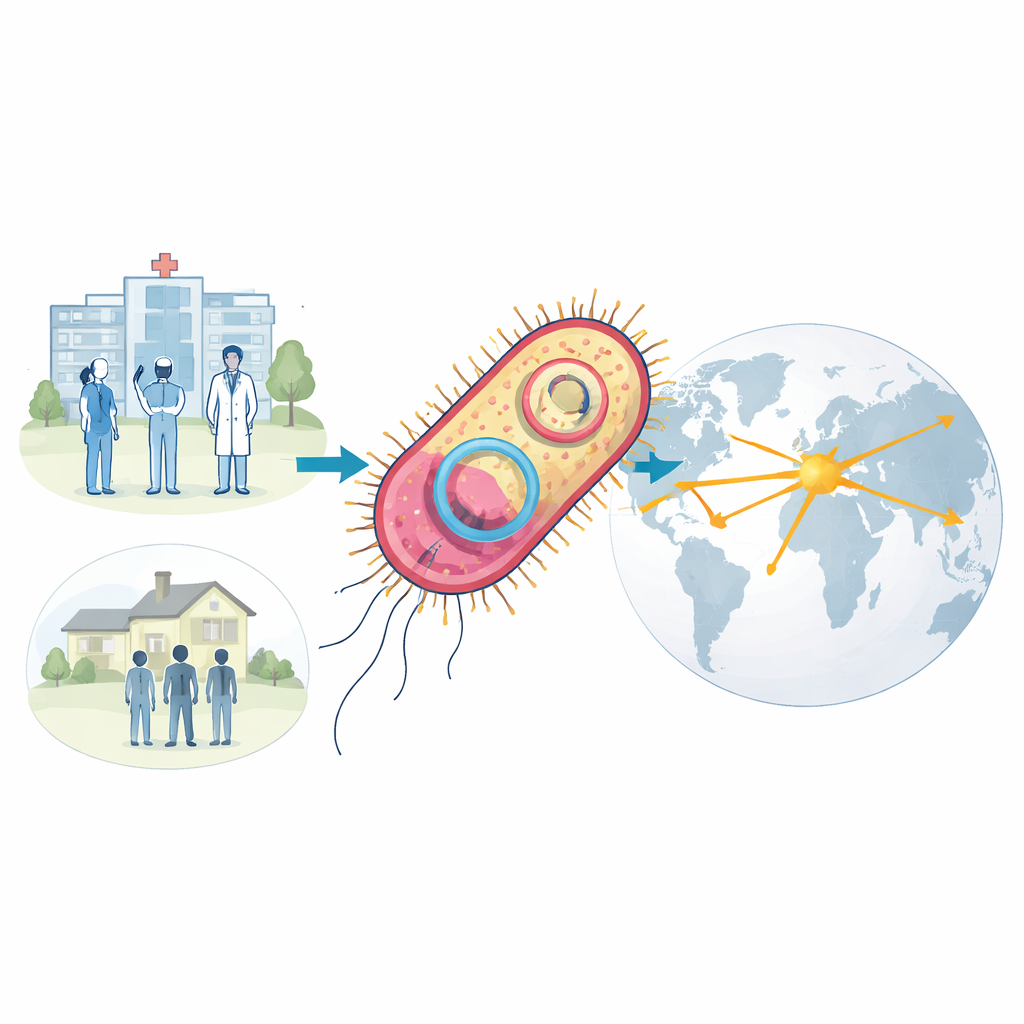
The researchers began with a single case: a 49‑year‑old man in intensive care in China whose blood infection did not respond to several important antibiotics. The team isolated a K. oxytoca strain, named KP21‑15, that resisted both carbapenems and tigecycline, drugs that are often held back for the sickest patients when other treatments fail. Genetic testing showed that this strain carried a long list of resistance genes packed onto pieces of extra DNA called plasmids. One large plasmid, in particular, held two dangerous features at once: a carbapenem‑breaking enzyme (KPC‑2) and a pump system that kicks out tigecycline. Even more troubling, laboratory experiments showed this plasmid could jump into other bacteria, including related species, hinting that the same resistance package could soon appear in many different germs.
Taking a global look at a neglected microbe
To find out whether KP21‑15 was an isolated oddity or part of a larger pattern, the authors gathered and re‑examined nearly 1,300 K. oxytoca genomes from 42 countries. Most came from human patients, but some were from animals and the environment, reflecting the germ’s wide reach. They found that K. oxytoca is far more genetically diverse than previously appreciated, with more than 100 distinct lineages. Yet one lineage, ST145, stood out. It appeared more often than others and, crucially, carried significantly more antibiotic resistance genes. At the same time, ST145 did not have more classic virulence genes than its peers, suggesting that its success comes less from being especially aggressive and more from being extremely drug‑hardy and adaptable.
A lineage on the move across continents
Using evolutionary “family tree” methods that track small genetic changes over time, the team reconstructed the history of the ST145 lineage. Their model suggests that ST145 likely emerged around 1980, with Poland as the most probable birthplace. From there, it seems to have spread across Europe and then to Asia and the Americas. China appears as a possible secondary hub, linked in the model to spread toward countries such as Portugal, Spain, Colombia, and the United States. Some ST145 isolates from distant countries were nearly identical genetically, implying recent or ongoing cross‑border transmission. This pattern mirrors what has been seen in other high‑risk hospital bacteria and reinforces the idea that ST145 behaves like a successful international clone.
How extra DNA helps this germ thrive
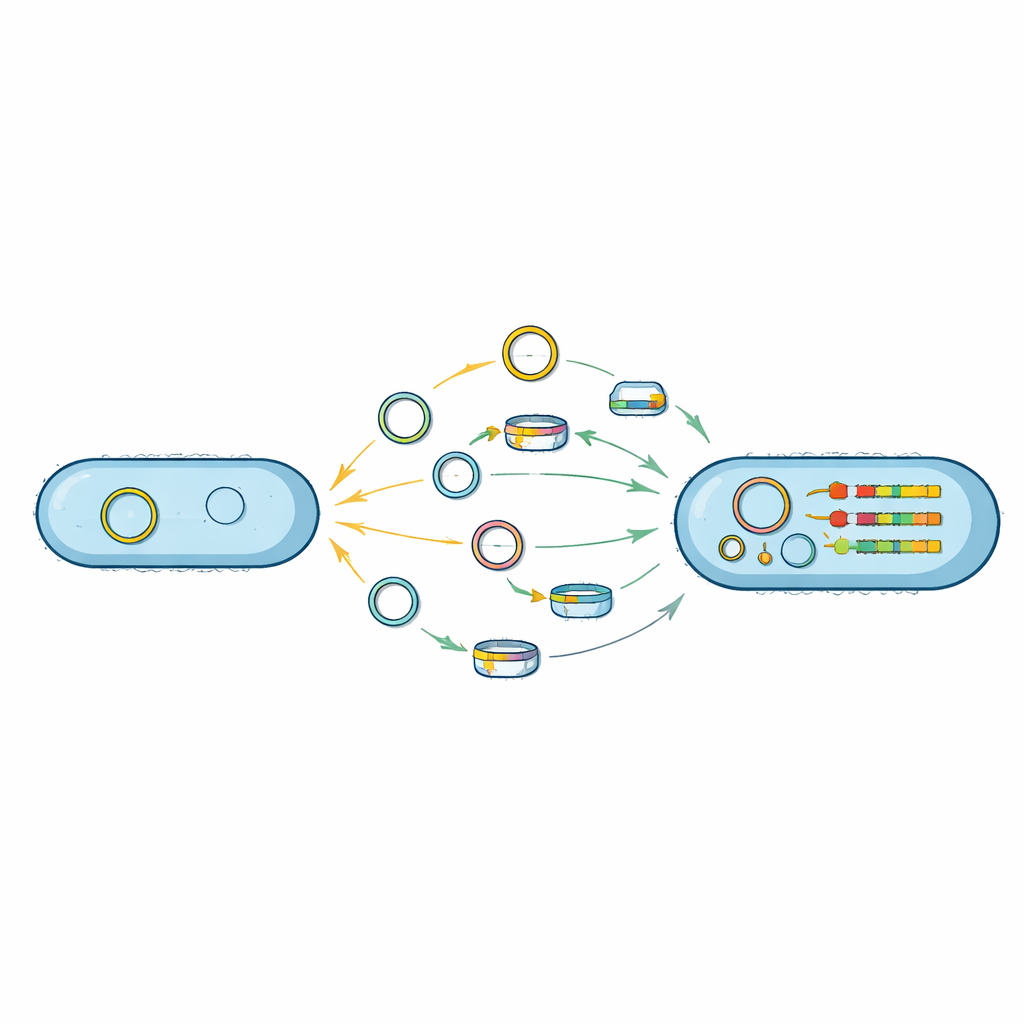
Digging deeper, the researchers examined how resistance genes, mobile DNA elements, and plasmids interact within ST145. They saw that the more plasmids and mobile “jumping genes” an isolate had, the more resistance genes it tended to carry. Certain mobile elements were closely tied to well‑known carbapenem‑breaking enzymes, indicating that these bits of DNA help shuttle resistance traits between bacteria. A separate genome‑wide scan highlighted that ST145 is enriched for genes involved in energy production and nutrient use, particularly pathways tied to respiration and sugar breakdown. These features may give ST145 extra metabolic flexibility, helping it survive stressful conditions, including exposure to antibiotics, and persist in different environments from hospital wards to other reservoirs.
What this means for patients and public health
Taken together, the study paints K. oxytoca—especially the ST145 lineage—as an under‑recognized but rising threat. ST145 is not necessarily more deadly on its own, but its ability to pick up and carry a heavy load of resistance genes, sometimes bundled on highly mobile plasmids, makes infections difficult to treat and easy to spread. The discovery of a plasmid in K. oxytoca that blocks both carbapenems and tigecycline underscores how quickly our most valuable antibiotics can be undermined. The authors argue that hospitals and surveillance networks should monitor K. oxytoca more closely, track ST145 worldwide, and use a “One Health” approach that also watches animal and environmental sources. By following this lineage now, health systems may still have time to slow its advance and preserve life‑saving treatments.
Citation: Qin, S., Yu, Z., Shen, Y. et al. Global emergence, evolution and international dissemination of the ST145 Klebsiella oxytoca lineage. npj Antimicrob Resist 4, 28 (2026). https://doi.org/10.1038/s44259-026-00204-9
Keywords: Klebsiella oxytoca, antibiotic resistance, carbapenemase, hospital infections, genomic epidemiology