Clear Sky Science · en
The clinical utility of genome sequencing is multi-dimensional: experience from the Hong Kong Genome Project
Why this matters for patients and families
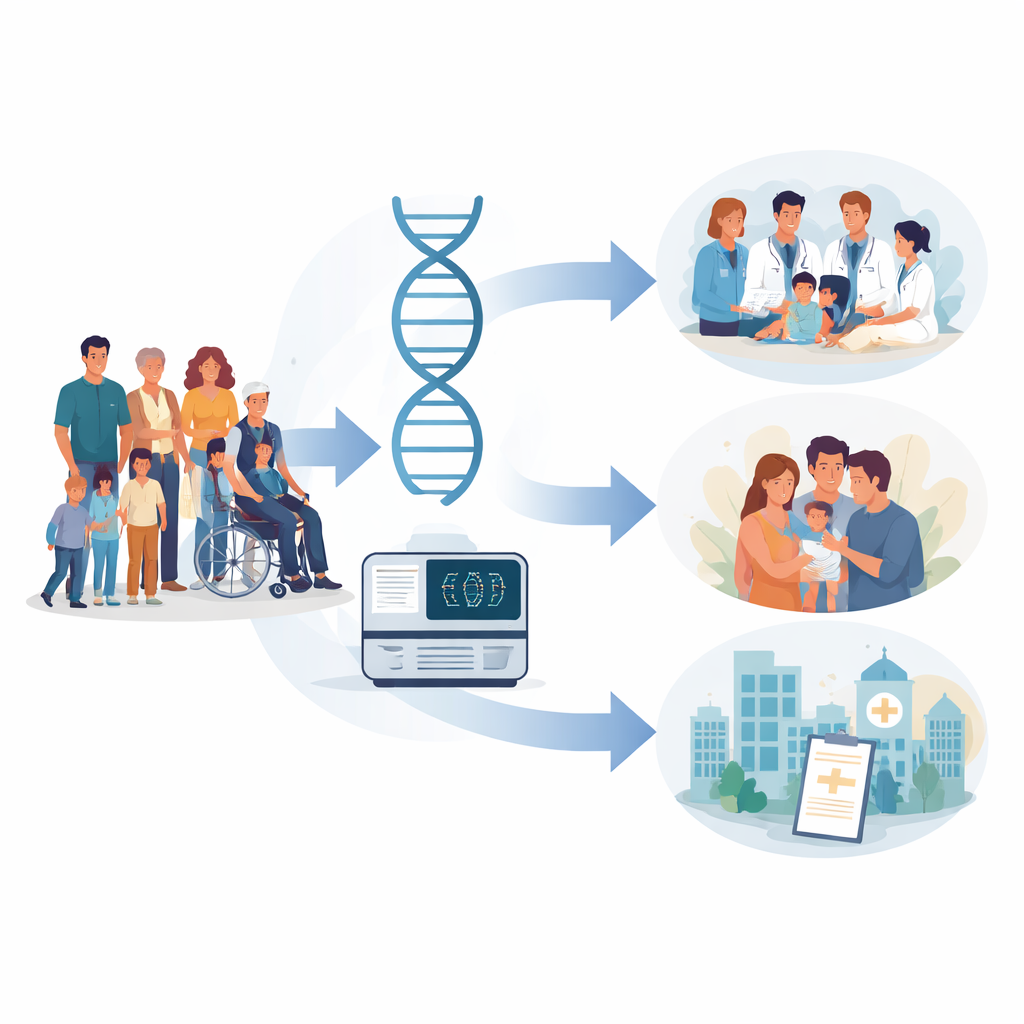
When a child or adult lives for years with unexplained health problems, families often embark on a long and exhausting search for answers. Genome sequencing, which reads nearly all of a person’s DNA at once, promises to shorten this search. But its value is not only about naming a disease. This study from the Hong Kong Genome Project asks a broader question: how does genome sequencing actually help patients and families in real life, including their emotional well-being and day‑to‑day care?
Looking beyond a simple yes-or-no answer
Doctors and policymakers often talk about the “clinical utility” of a medical test: does it change treatment, follow‑up, or health outcomes? For genetic tests, past studies usually counted only how often a result directly altered medical care. The Hong Kong team took a more detailed approach. They used a structured checklist, called C‑GUIDE, that asks doctors to rate 17 different kinds of benefit or harm from genome sequencing. These include not just treatment changes, but also how results affect family planning, access to support services, and the psychological impact on patients and relatives.
How the study was carried out
Researchers evaluated 245 people with suspected rare genetic conditions, most of them children, who took part in the pilot phase of the Hong Kong Genome Project. All underwent genome sequencing in a central laboratory, and their results were carefully reviewed by a multidisciplinary team of geneticists, clinicians, scientists, and counsellors. Three experienced clinical geneticists, who cared for these patients in Hong Kong Children’s Hospital, completed C‑GUIDE ratings after discussing the results with the patients or families. The team then used statistical methods to see how overall utility scores related to the type of test result and to patient characteristics such as age, gender, or disease category.
What the results revealed
Only one quarter of participants received a clear genetic diagnosis, while most had either inconclusive or negative findings. Yet the average C‑GUIDE score across the whole group still indicated a meaningful level of benefit, with individual scores ranging from slightly harmful to strongly beneficial. As expected, people with positive results had much higher utility scores than those without a confirmed diagnosis. A clear answer was strongly linked to changes in clinical care, better planning of surveillance and treatment, and more precise estimates of recurrence risk for relatives. Interestingly, the way results were delivered also mattered: cases discussed in person tended to show greater perceived benefit than those explained over the phone.
Hidden strengths in emotional and social support
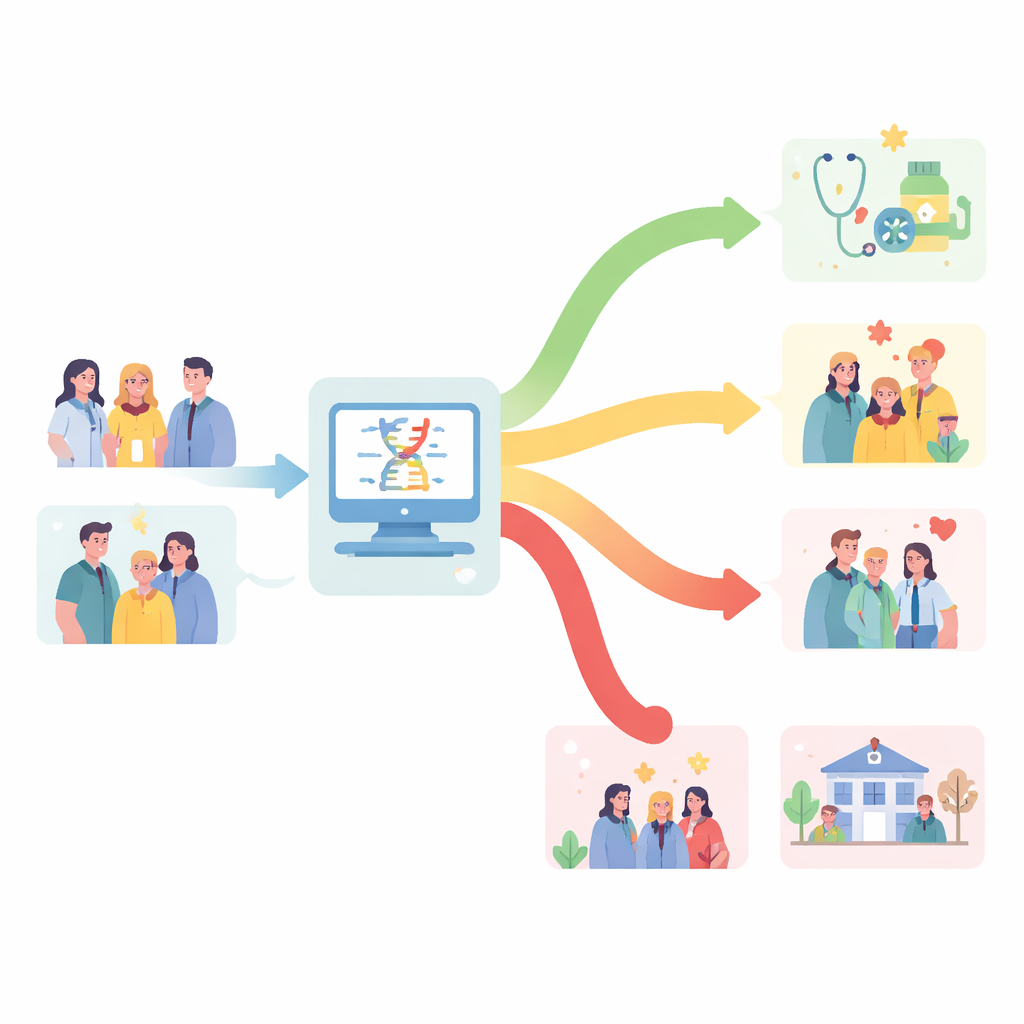
One of the most striking findings was that the highest average scores came from psychosocial benefits—improvements in emotional and social well‑being—for patients and families. These benefits appeared across the board, even when results were inconclusive or negative. A firm diagnosis could end a long diagnostic odyssey and guide families to community and educational services or condition‑specific support groups. Inconclusive results, while frustrating, still offered direction and hope for future clarification. Negative results, though they did not provide a label, often brought relief by ruling out feared conditions and reducing pressure for further invasive testing.
Fair access and future possibilities
Perhaps most reassuringly, the study found that baseline factors such as age, gender, type of rare disease, and prior genetic testing did not independently predict how useful genome sequencing was judged to be. What mattered most was the test result itself, not who the patient was or which specialist they saw. This suggests that, if offered widely, genome sequencing can deliver benefits in an equitable way across diverse groups. For health systems planning large genome projects, the findings argue for using comprehensive tools like C‑GUIDE to capture both medical and psychosocial impacts. In plain terms, genome sequencing does more than find diagnoses—it can also bring clarity, comfort, and practical support to families, even when the answer is not straightforward.
Citation: Chu, A.T.W., Chung, C.C.Y., Luk, H.M. et al. The clinical utility of genome sequencing is multi-dimensional: experience from the Hong Kong Genome Project. Commun Med 6, 174 (2026). https://doi.org/10.1038/s43856-026-01441-9
Keywords: genome sequencing, rare disease, clinical utility, psychosocial impact, genomic medicine