Clear Sky Science · en
Efficacy of cilastatin sodium in a translational large animal crush syndrome model
Why Crushing Injuries Matter Beyond the Rubble
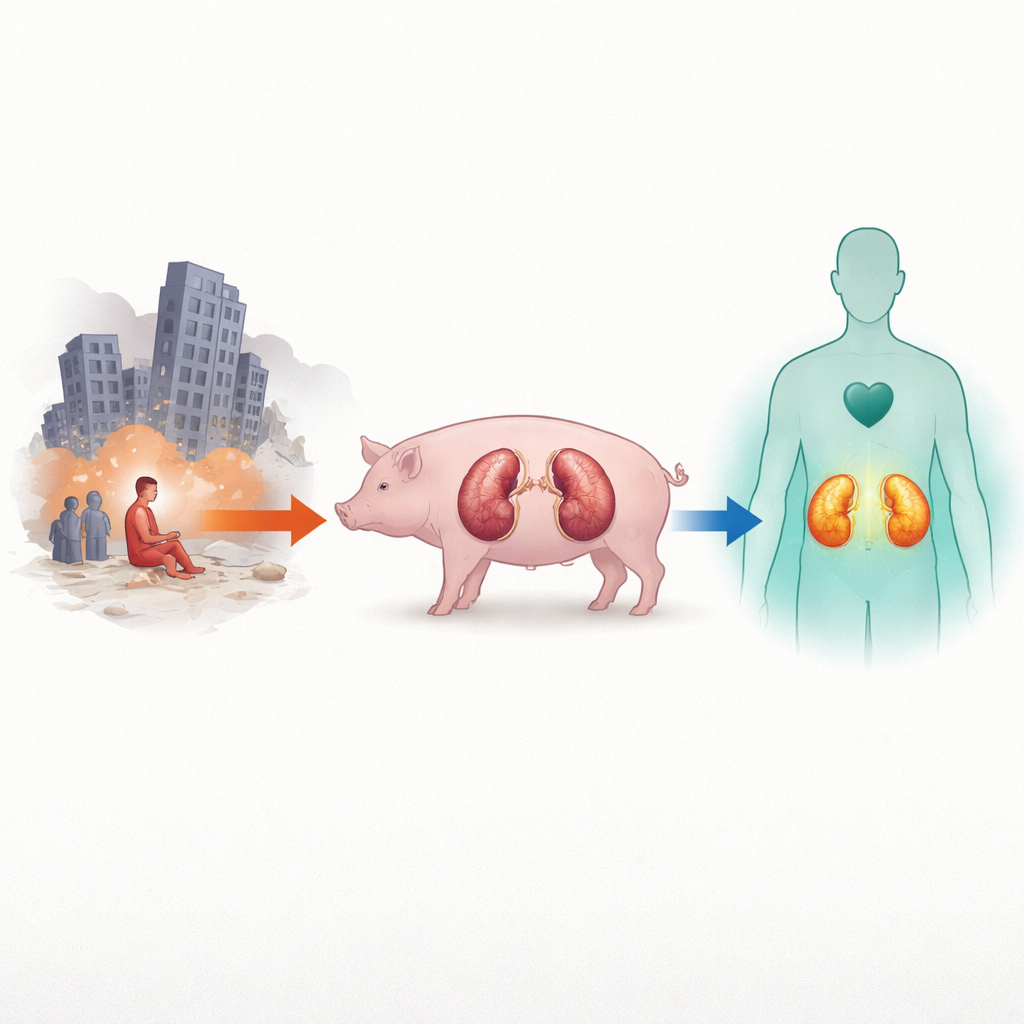
When buildings collapse in earthquakes or explosions rock a city, many survivors are pulled from the wreckage alive, only to die hours or days later in the hospital. A major killer is crush syndrome, a cascade of muscle damage and kidney failure that can be hard to treat, especially where intensive care and dialysis are scarce, such as disaster zones and battlefields. This study explores whether an existing drug, cilastatin sodium, could offer a simple, targeted way to protect the kidneys after severe muscle injury, potentially saving lives when medical resources are limited.
What Happens Inside the Body After a Crush
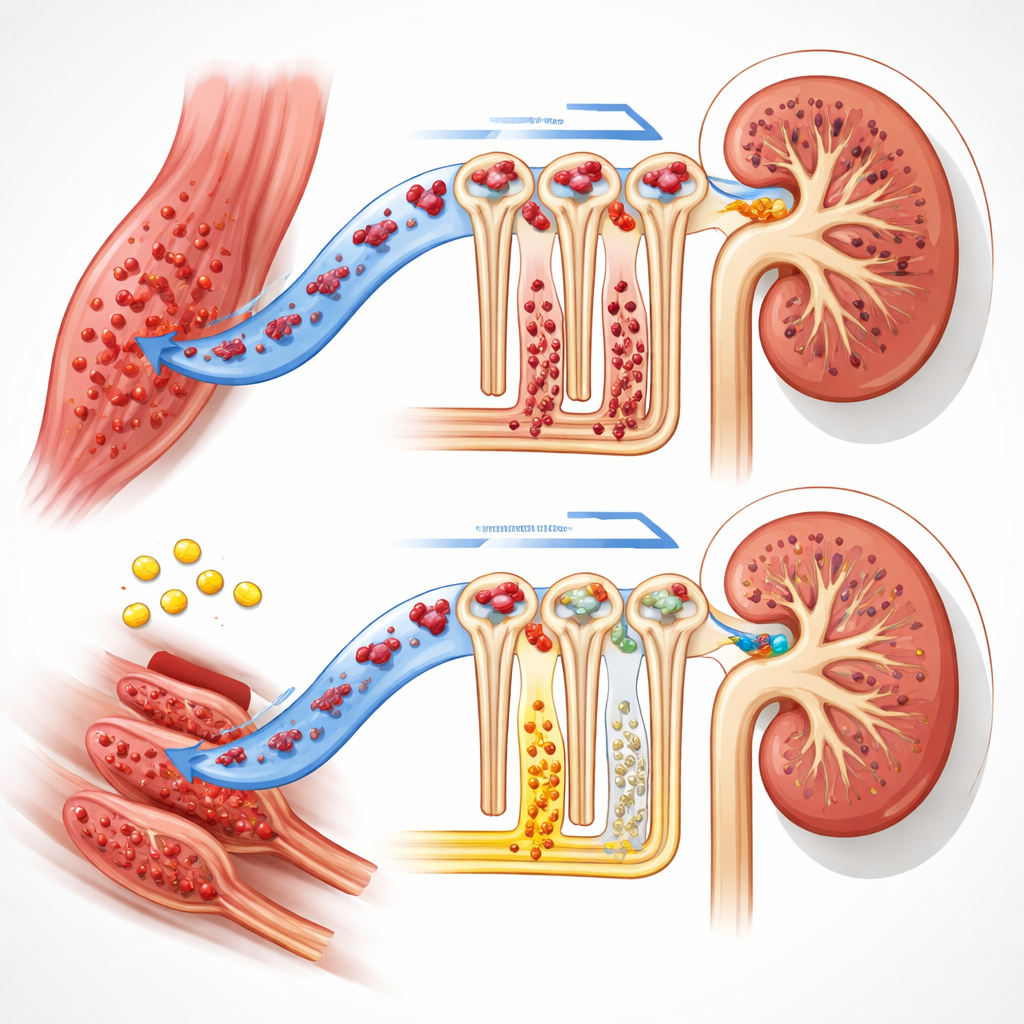
Crush syndrome begins when large areas of muscle are destroyed by falling debris, blast waves, or even prolonged immobility. Damaged muscle cells spill their contents, including a red pigment called myoglobin and other chemicals, into the bloodstream. As myoglobin passes through the kidneys, it can poison and clog the tiny tubules that filter the blood, leading to acute kidney injury. At the same time, potassium released from muscle can build up in the blood, triggering dangerous heart rhythms. Currently, doctors can only give large amounts of fluids, closely monitor blood chemistry, and, when available, use dialysis machines to take over the kidneys’ job—a labor-intensive approach that is difficult to deliver in mass-casualty events.
A Pig Model That Mimics Real-World Injuries
To test a new approach, the researchers used 40–50 kilogram pigs, whose kidney size and function closely resemble those of humans. Under general anesthesia, the animals received powerful blunt impacts to both thighs, mimicking the muscle destruction that occurs in real crush injuries. They were then cared for intensively for 48 hours: their blood pressure, breathing, and blood chemistry were continuously monitored, and they received intravenous fluids following clinical guidelines. Half the animals were treated 30 minutes after injury with cilastatin sodium, while the others received a placebo solution. The team repeatedly measured kidney function using a precise tracer clearance test, tracked markers of muscle injury, and examined kidney tissue under the microscope after the experiment.
A Repurposed Drug That Shields the Kidneys
Cilastatin is already approved to be given with a common hospital antibiotic, but more recently it has been found to block a kidney transport system that helps pull substances like myoglobin into tubule cells. In this study, cilastatin did not lessen the initial muscle damage—the levels of creatine kinase, a muscle enzyme, were similar in treated and untreated pigs. Instead, its benefits emerged in the kidneys. Pigs that received cilastatin had higher measured filtration rates, lower blood creatinine and urea (waste products that rise when kidneys fail), and nearly 50 percent less microscopic tubule damage. They also showed faster recovery of kidney function within the crucial first two days, a time window that in human patients is linked to lower risk of long-term kidney disease and death.
Less Dangerous Potassium, More Toxin Flushed Out
One of the most striking findings was the effect on high blood potassium, the immediate life‑threatening complication of crush syndrome. Almost all pigs developed high potassium levels, but those given cilastatin needed fewer emergency treatments with insulin, sugar, and calcium to bring potassium down, and their first dangerous spike was delayed. Blood tests suggested why: while muscle breakdown products still entered the circulation, cilastatin-treated animals cleared more of the harmful myoglobin fragment through their urine, as reflected by lower blood myoglobin and higher excretion of related pigment molecules. In other words, the drug appeared to help the kidneys pass the toxin through rather than absorb it and be damaged by it.
What This Could Mean for Future Patients
To gauge how this work might translate to people trapped in rubble or wounded in combat, the authors used their data to simulate a clinical trial. Their estimates suggest that a reasonably sized study—on the order of a few dozen patients per group—could test whether cilastatin meaningfully improves kidney recovery in human crush syndrome. Because the drug is already known to be safe at hospital doses, and showed no harmful short‑term effects in these critically ill pigs, it may be a strong candidate for rapid translation. While longer studies are still needed to see if it prevents chronic kidney problems, this research indicates that a single, early dose of cilastatin could reduce kidney injury and the need for intensive treatments after crushing injuries, offering a practical new tool for saving lives when disasters strike.
Citation: Munhall, A.C., Eiwaz, M.B., Hebert, J.F. et al. Efficacy of cilastatin sodium in a translational large animal crush syndrome model. Commun Med 6, 246 (2026). https://doi.org/10.1038/s43856-026-01411-1
Keywords: crush syndrome, acute kidney injury, cilastatin, rhabdomyolysis, disaster medicine