Clear Sky Science · en
Priority research questions in global peatland science
Why Hidden Wetlands Matter
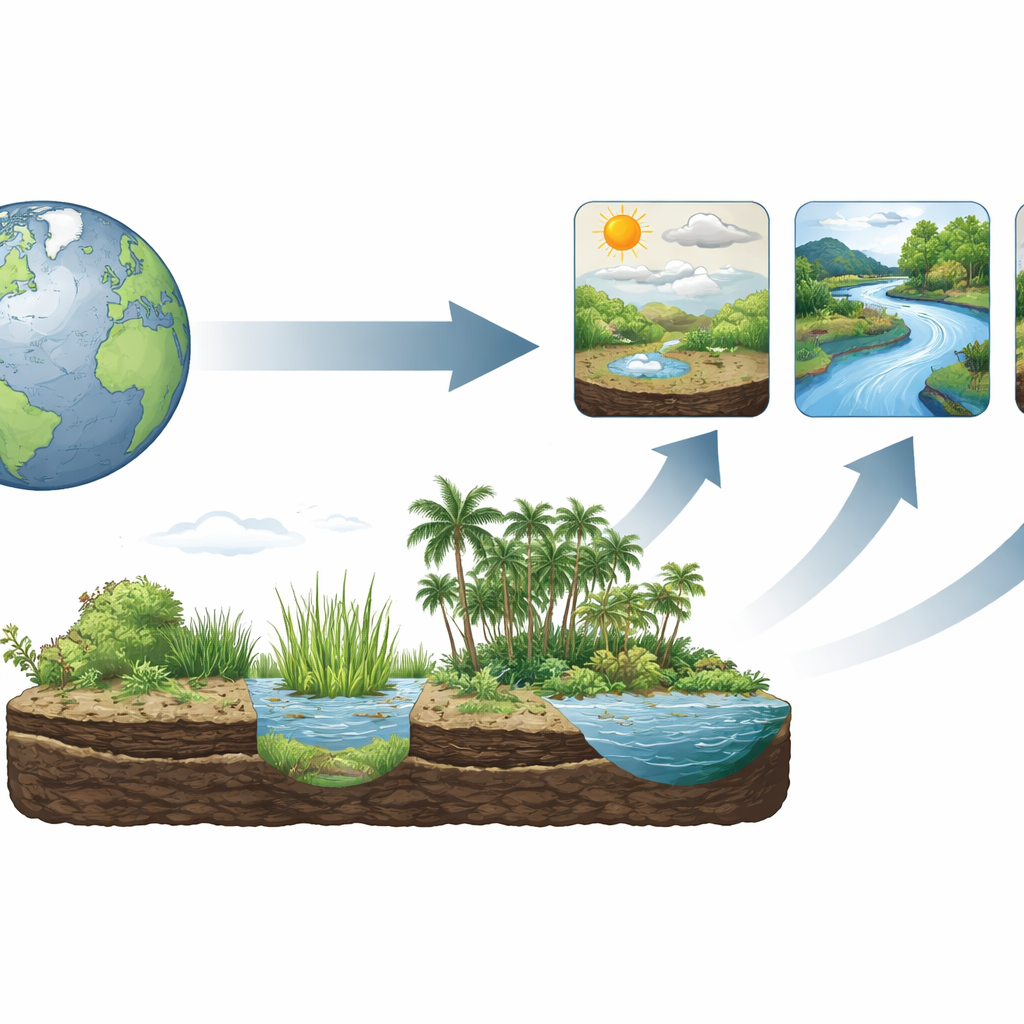
Scattered across the planet, peatlands look like ordinary marshes and bogs, but they quietly hold one of Earth’s biggest natural stockpiles of carbon. This paper explains why these waterlogged landscapes are so important for climate, clean water, and wildlife—and, crucially, what scientists and decision-makers most need to know about them in the next decade. Instead of presenting new field data, the authors gathered the global peatland community to agree on the 50 most urgent research questions that should guide future work.
A Global Effort to Set the Agenda
To find out which questions matter most, the authors ran a worldwide online survey, open to anyone connected with peatlands: researchers, government staff, non-governmental groups, and others. In total, 467 people from 54 countries contributed, spanning all inhabited continents. Most respondents were scientists, but there was also input from policy and management communities. Because peatlands are unevenly distributed, some regions—especially in Europe, Asia, and North America—were better represented than others, such as parts of Amazonia or the Nile Basin. The team translated the survey into 21 languages and used regional contacts and networks to broaden participation, then carefully cleaned, translated, and merged overlapping submissions into a manageable list of distinct questions.
From Hundreds of Ideas to 50 Key Questions
The survey initially produced 758 candidate questions. A core team screened these for clarity, relevance to peatlands, and whether they could realistically be answered by research, removing questions that were unclear or already settled. Next, they used clustering techniques to group similar ideas and merge duplicates, ending up with 212 distinct, well-formulated questions. These were then passed to 75 invited experts—41 of whom participated—for anonymous scoring. Each expert had a limited number of points to allocate, forcing them to weigh trade-offs and highlight what they saw as truly critical. The top 50 by total score became the final priority list, which the authors organised into five broad themes.
What We Most Need to Learn About Peatlands
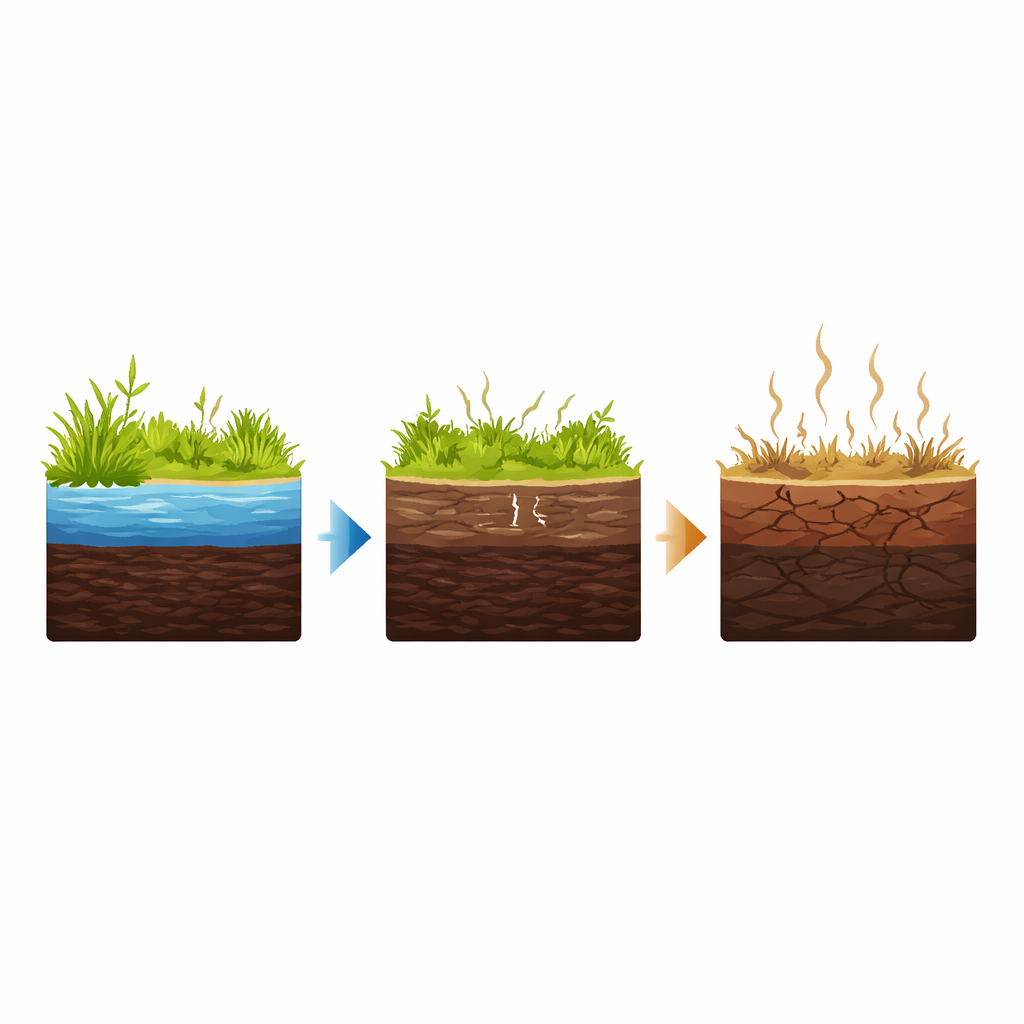
The first theme focuses on how peatlands store and release carbon and how they influence the global climate. Although scientists know that peatlands cover only a small fraction of Earth’s land but hold nearly a third of its soil carbon, basic facts such as their full global extent, depth, and total carbon stock are still uncertain, especially in the tropics. There are also major gaps in our understanding of how different peatland types, and the microbes within them, respond to drainage, fire, and other disturbances that can flip them from long-term carbon “sinks” into greenhouse-gas “sources.” Other themes look at how climate change and human activities will alter peatland resilience—when will warming, drought, or more frequent fires push some peatlands past tipping points where they cannot easily recover?
The third and fourth themes tackle what to do about it, and how. They ask which conservation and restoration strategies most effectively lock carbon away while also supporting biodiversity, water regulation, and local livelihoods. Key unknowns include how quickly rewetted peatlands recover, how long any “boost” in carbon storage lasts, and whether rises in methane after restoration can be reduced. On the technology front, the paper highlights the promise of satellites, drones, low-cost sensors, and advanced computer models to map peatlands more accurately, track their health, and plug their influence into global climate simulations. Yet peatlands are still poorly represented in most large-scale models that guide climate policy.
People, Policies, and Fair Outcomes
The fifth theme moves beyond ecology into economics and justice. It asks how societies can protect and use peatlands in ways that are both climate-friendly and fair to local communities. This includes valuing the many services peatlands provide, designing payment schemes and carbon markets that actually lead to long-term protection, and supporting new forms of “wet agriculture” that keep soils waterlogged rather than drained. Because peatland governance often cuts across sectors like farming, forestry, water, and climate, the paper stresses that better policy coordination and recognition of community and Indigenous knowledge are central research needs, not afterthoughts.
What This Means for the Rest of Us
For non-specialists, the message is clear: peatlands are powerful natural allies in tackling climate change and safeguarding water and wildlife, but their future depends on answering a focused set of questions. By distilling hundreds of ideas from a global community into 50 priorities, this paper offers a roadmap for where funders, researchers, and governments should concentrate their efforts. If the scientific and policy communities can work through this agenda—combining field studies, new technologies, and local experience—society will be better equipped to protect and restore these hidden wetlands, keeping vast stores of carbon in the ground and vital ecosystems functioning in a warming world.
Citation: Milner, A.M., McKeown, M.M., Ruwaimana, M. et al. Priority research questions in global peatland science. Commun Earth Environ 7, 349 (2026). https://doi.org/10.1038/s43247-026-03321-5
Keywords: peatlands, carbon storage, ecosystem restoration, climate change, wetlands policy