Clear Sky Science · en
Persistent petroleum pollution shifts soil microbial responses in Bunger Hills, East Antarctica
Hidden Life in an Icy Desert
In one of the driest, coldest corners of Antarctica, microscopic life quietly keeps the soil ecosystem running. Even here, far from cities and oilfields, small fuel spills from past research activities have left a lasting mark. This study explores how a decades-old petroleum leak near an Antarctic helipad reshaped the invisible communities of microbes in the soil—and how those changes may alter the way this fragile environment breathes gases and locks away carbon.
A Remote Oasis Touched by Fuel
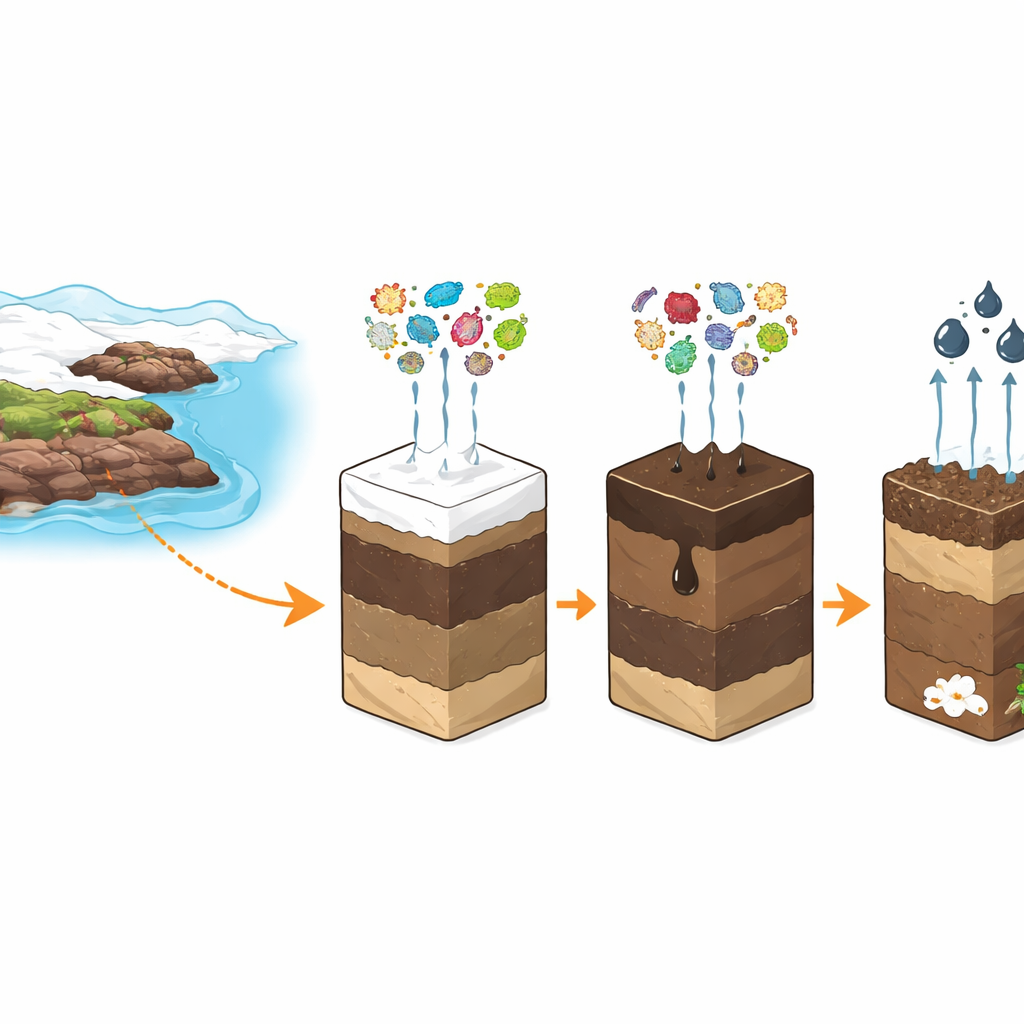
The research took place at Bunger Hills, an ice-free rocky oasis surrounded by towering ice sheets in East Antarctica. In the 1980s, fuel used for aircraft operations leaked into the ground near a small research base. Although the spill was modest and happened about forty years ago, traces of petroleum are still detectable in a patch of soil around the old helipad. The team collected 26 soil samples along two clean reference lines and within the contaminated helipad zone, digging both shallow and deeper cores where leaked fuel had seeped downward. They measured basic soil chemistry, checked for remaining hydrocarbons, and used DNA-based techniques to identify which microbes were living there and what they were capable of doing.
How Microbes Make a Living on Almost Nothing
Antarctic desert soils are extremely poor in nutrients and organic matter. In these lean conditions, many microbes survive by harvesting tiny amounts of energy from trace gases in the air, such as hydrogen and carbon monoxide, and by “fixing” carbon dioxide in the dark. This process, sometimes called atmospheric chemosynthesis, lets them act as primary producers even when sunlight is scarce or absent during the long polar winter. The researchers found that in relatively pristine Bunger Hills soils, large fractions of the bacterial community belonged to groups known to oxidize trace gases and to fix carbon using special versions of the RuBisCO enzyme usually associated with photosynthesis. Laboratory tests showed that these clean soils could rapidly draw down hydrogen to below its natural atmospheric level within just a few hours, indicating extremely active gas-scavenging microbes.
Fuel Spills Tip the Balance of the Community
In the helipad zone, the picture was very different. Chemical analyses confirmed elevated levels of petroleum residues, although some breakdown had occurred over time. Microbial DNA revealed that communities there had shifted toward organisms that tolerate stress, low oxygen, and toxic compounds, including many bacteria and fungi known to digest hydrocarbons. At the same time, several kinds of microbes that usually thrive in low-nutrient, oxygen-rich Antarctic soils became less common. The contaminated soils hosted more predatory and parasitic microbes as well, suggesting that the extra organic material from fuel and dead cells provided rich feeding grounds and intensified the microscopic food web.
From Air-Fueled Survival to Fuel-Fueled Growth
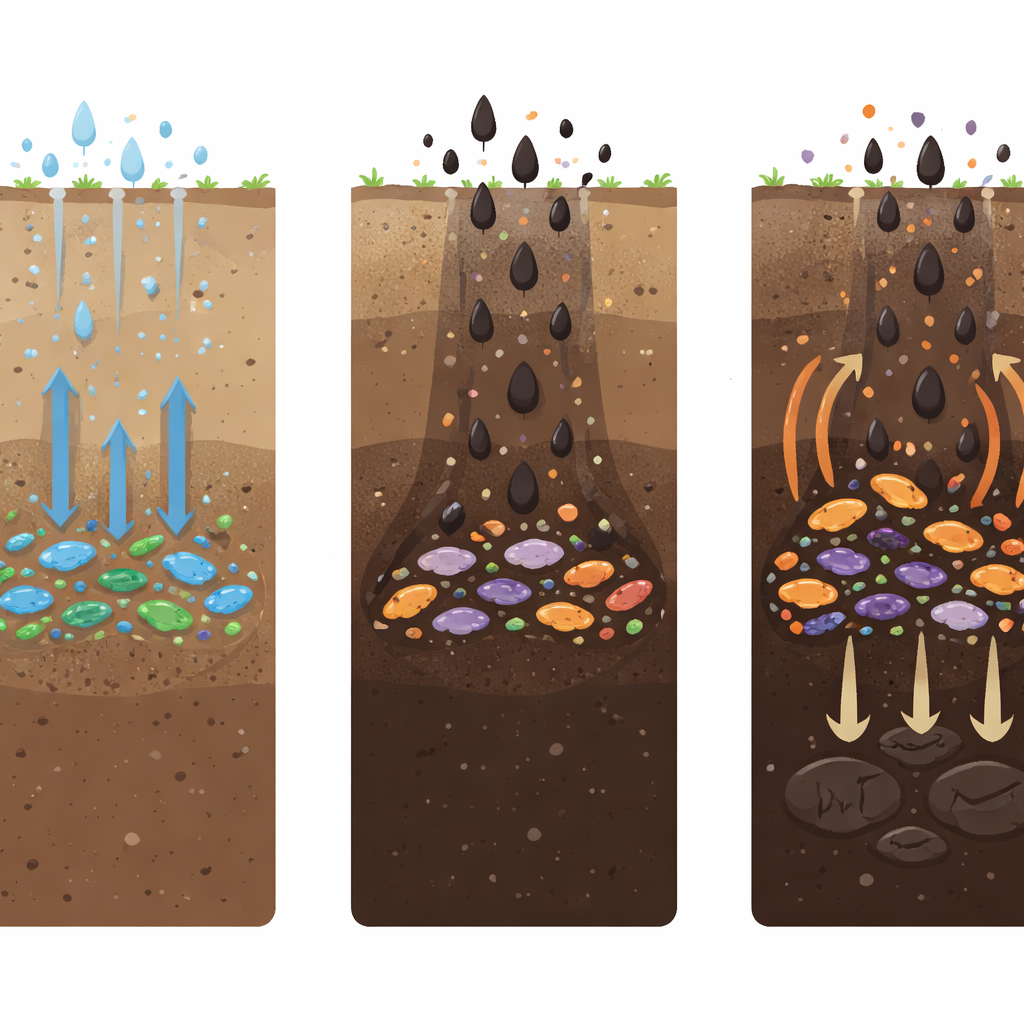
By combining genetic data with controlled experiments, the team showed that the contaminated soils were much worse at using atmospheric hydrogen. Hydrogen oxidation rates in the most polluted samples were hundreds of times lower than in clean sites, and key hydrogen-processing genes were less abundant. Yet, when the scientists traced how soil microbes incorporated radioactive carbon dioxide in the dark, the contaminated soils fixed more carbon per unit of microbial biomass than the clean ones. The likely explanation is that microbes in the fuel-impacted zone burn hydrocarbons as their main energy source, releasing carbon dioxide and other byproducts that nearby cells quickly refix. In contrast, microbes in cleaner soils must lean more heavily on energy from trace gases and make do with very little organic carbon, even though they carry an impressive toolkit of genes for these survival strategies.
Long Shadows of Human Footprints
The study shows that even a relatively small, localized fuel spill can leave a deep and long-lasting imprint on the hidden life of Antarctic soils. Decades after the initial leak, native cold-adapted microbes have reorganized into communities that specialize in breaking down hydrocarbons, while gas-scavenging lifestyles that once dominated have been pushed into the background. This rebalancing of energy sources—from air to fuel—also changes how efficiently the soil takes up and stores carbon. The findings suggest that carefully supporting the existing microbial clean-up crews with added nutrients could help remediate such sites without importing foreign organisms. More broadly, the work highlights how subtle human disturbances can reverberate through polar ecosystems that we often think of as untouched, altering both their microscopic residents and their role in Earth’s climate cycles.
Citation: Tan, K.K.Y., Vázquez-Campos, X., Price, G.A.V. et al. Persistent petroleum pollution shifts soil microbial responses in Bunger Hills, East Antarctica. Commun Earth Environ 7, 278 (2026). https://doi.org/10.1038/s43247-026-03299-0
Keywords: Antarctic soil microbes, petroleum contamination, trace gas oxidation, dark carbon fixation, bioremediation