Clear Sky Science · en
Methanol-driven esterification of volatile short-chain fatty acids in thermal desorption-based analysis
Why breathing into a tube can reveal hidden illness
Doctors are increasingly interested in using a simple breath test to spot diseases ranging from gut cancers to brain disorders. Our breath carries tiny traces of chemicals made by our own cells and by the microbes living in our intestines. Among them are short-chain fatty acids, small molecules linked to our gut health. This study asks a crucial question for turning breath tests into reliable medical tools: are these fragile molecules being quietly changed or lost during routine lab handling before they can be measured?
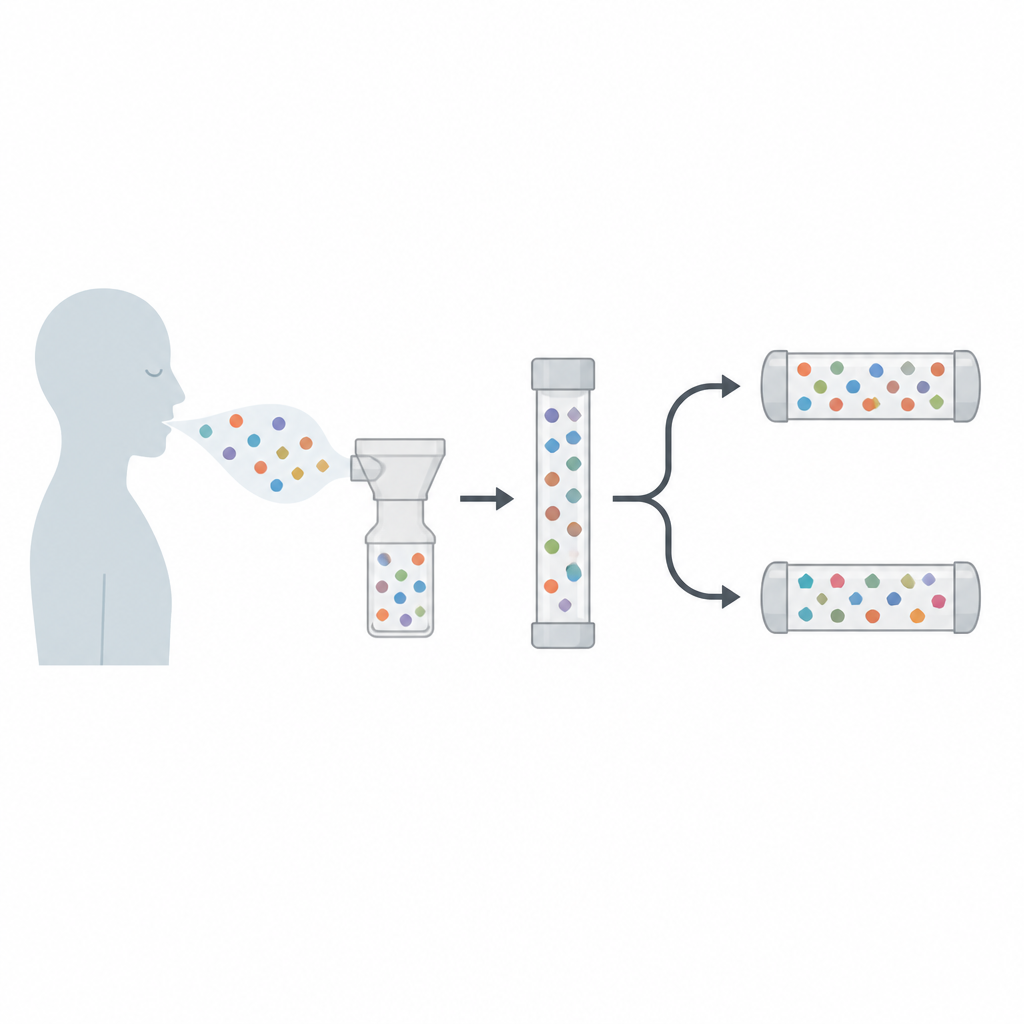
Tiny gut signals riding on each breath
Short-chain fatty acids are natural products of the gut microbiome that help regulate how the body handles food, interacts with microbes, and even communicates with the brain. Changes in their levels have been linked to cancers of the digestive tract, neurological conditions, and imbalances in gut bacteria. To measure these compounds in exhaled air, researchers often trap breath molecules on special tubes, then release and separate them using heat and gas-flow instruments so they can be weighed and counted by mass spectrometry. This process relies heavily on methanol, a common liquid used to dissolve and move chemicals through the system.
When a helpful solvent quietly rewrites the sample
Methanol is usually seen as a neutral helper, but here the researchers examined whether it can react with short-chain fatty acids and transform them into different molecules known as methyl esters. Using a real-time mass spectrometry method that can follow reactions directly, they showed that this chemical change does not happen when methanol and the fatty acids are only present as vapors above a liquid. However, as soon as methanol and the acids are mixed in the same liquid phase, methyl esters begin to appear and grow over time. The parent fatty acids disappear from view while the new products, which behave differently during analysis, take their place.
How mixing, heat, and storage tip the balance
The team then explored which everyday lab conditions speed up this hidden transformation. They changed the volume ratio of methanol to a representative acid and found that a balanced mix favored the strongest conversion, while big excesses of either one slowed it. Heating the samples before or during measurement sharply increased the rate, boosting methyl ester levels by up to tenfold at moderate temperatures compared with room conditions. Finally, they looked at storage over weeks to months and at different temperatures. Even when kept in the freezer, samples containing fatty acids in methanol slowly shifted toward the methyl esters, with warmer storage leading to larger changes. In many cases, the original fatty acids dropped below the level that the instruments could reliably detect.
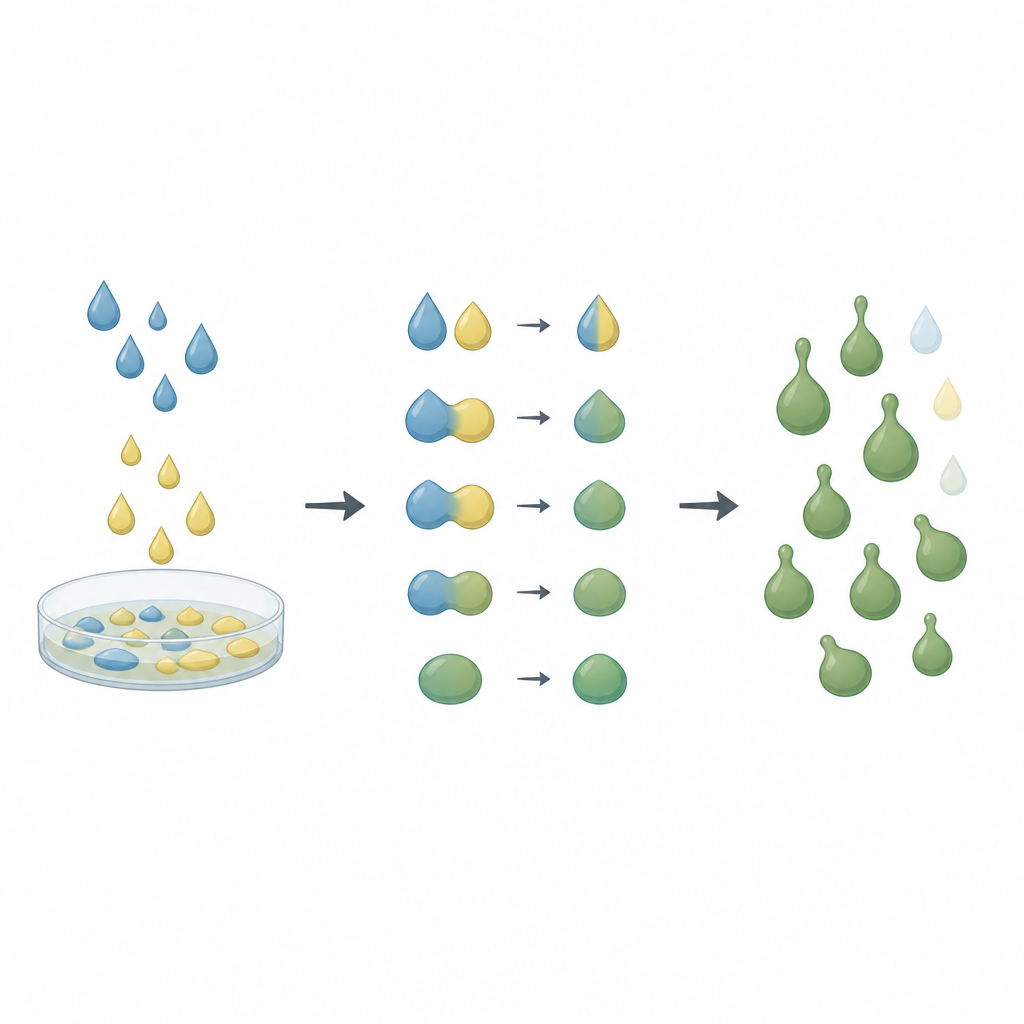
Why this matters for real-world breath tests
These findings reveal that routine steps in breath analysis, such as dissolving standards in methanol, heating them during testing, and storing them for later, can all reshape the chemical profile that scientists hope to read as a health signal. If short-chain fatty acids are partially converted into methyl esters before measurement, their true levels will be underestimated. At the same time, the newly formed methyl esters could be mistaken for independent markers rather than by-products of handling. This combination threatens the accuracy, sensitivity, and repeatability of breath tests that aim to use these molecules as indicators of disease.
Protecting the signal for future patients
The authors conclude that methanol-driven conversion of short-chain fatty acids is a real and significant source of error that depends strongly on time and temperature in the liquid state. Recognising this behaviour is the first step toward better protocols that minimise contact with methanol, reduce unnecessary heating, and optimise storage. By tightening control over sample handling, researchers can make sure that breath tests more faithfully reflect what is happening inside the body, improving the chances that non-invasive breath analysis will become a trustworthy tool for diagnosing gut cancers and other illnesses.
Citation: Leung, P.K.H., Wong, A.H.K., Ma, Y. et al. Methanol-driven esterification of volatile short-chain fatty acids in thermal desorption-based analysis. Commun Chem 9, 189 (2026). https://doi.org/10.1038/s42004-026-01998-5
Keywords: breath analysis, short-chain fatty acids, volatile organic compounds, methanol esterification, disease biomarkers