Clear Sky Science · en
The role of the gut microbiota in radiation enteritis: from mechanistic insights to therapeutic applications
Why gut microbes matter in cancer treatment
As more people receive radiation therapy for abdominal and pelvic cancers, many develop painful bowel problems that can linger long after treatment. This review explains how the trillions of microbes in our intestines help determine who gets radiation enteritis, a form of gut injury, and how adjusting these microbes might one day prevent or ease this condition.
How radiation harms the gut
Radiation aimed at tumors in the abdomen does not stop at cancer cells. It also strikes the delicate lining of the small intestine. Stem cells that normally renew this lining are damaged, blood vessels that feed the wall of the gut become leaky, and the protective mucus and tight seals between cells break down. Immune cells rush in, releasing chemical signals that can turn a short burst of injury into a long-lasting cycle of inflammation, scarring, and poor nutrient absorption.
When the inner barrier fails
Under healthy conditions, a layer of mucus and tightly joined cells keeps gut contents separate from the rest of the body. Radiation thins this barrier and weakens the protein “zippers” that hold neighboring cells together. As a result, bacteria and their products can slip through, triggering alarms in the immune system. This leakiness feeds back into more tissue damage, more inflammation, and swelling of the intestinal wall, which patients feel as pain, diarrhea, and sometimes bleeding. 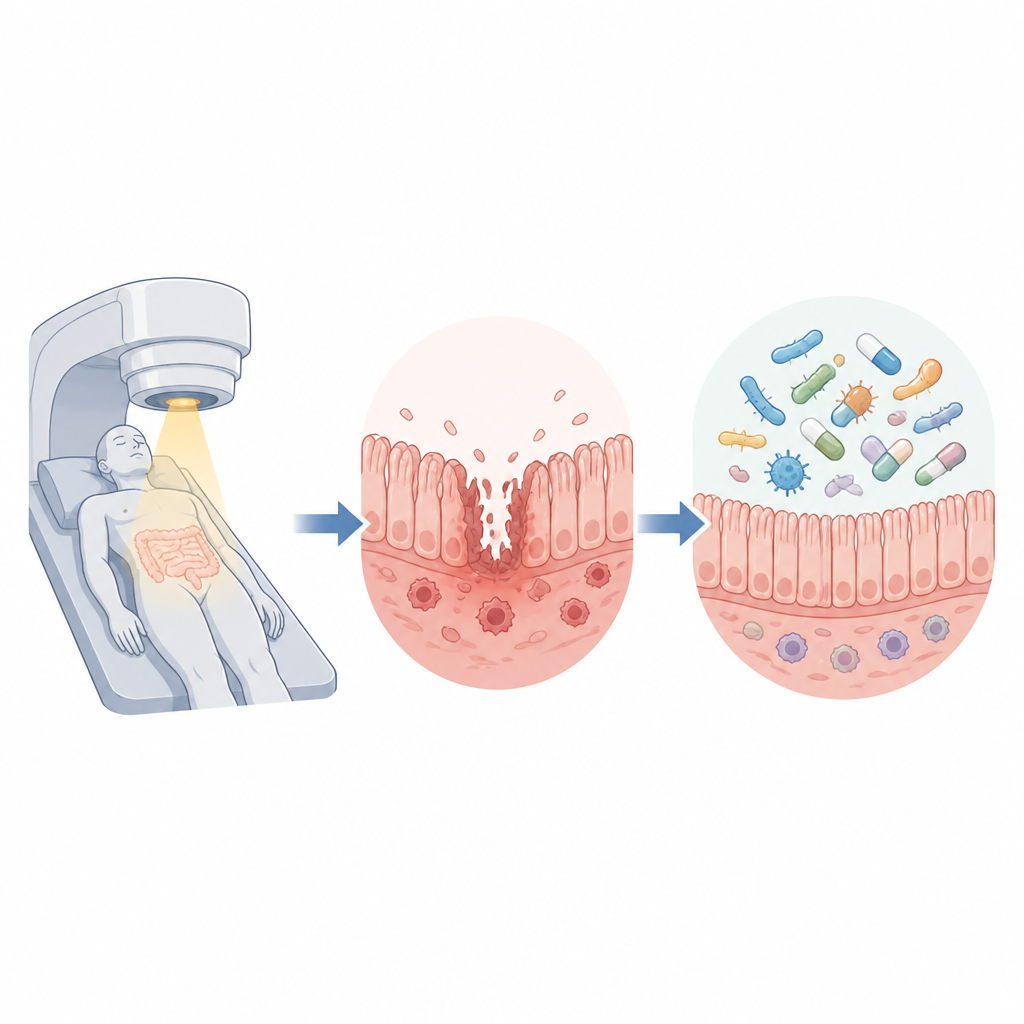
Helpful microbes that defend the gut
Not all microbes are bystanders in this process. Some common gut residents appear to shield the intestine after radiation. Species such as Faecalibacterium prausnitzii, Bifidobacterium, Lactobacillaceae, and Akkermansia muciniphila tend to decline when patients receive pelvic radiotherapy. Experiments in animals suggest these bacteria can strengthen the mucus layer, support stem cell renewal, and calm overactive immune responses. They do this in part by producing short-chain fatty acids and other small molecules that nourish intestinal cells, boost antioxidant defenses, and encourage regulatory immune cells that dampen excessive inflammation.
Harmful microbes that fan the flames
At the same time, certain bacteria become more abundant after radiation and seem to worsen injury. Groups such as Escherichia-Shigella, Enterococcus, Clostridium sensu stricto 1, and toxin-producing strains of Bacteroides fragilis and Escherichia coli can erode tight junctions, thin mucus, and flood the gut with inflammatory triggers. Their cell wall components and toxins activate signaling switches inside host cells that amplify pathways linked to swelling, pain, and tissue breakdown. This shift from a balanced to a hostile community of microbes is called dysbiosis and is a hallmark of radiation enteritis.
Signals and substances that tip the balance
Many of the key effects of gut microbes come from the chemicals they release as they digest food and bile. Short-chain fatty acids like butyrate and propionate help repair the barrier, fuel intestinal cells, and tune immune reactions. Microbes also reshape bile acids and tryptophan from the diet into new forms that act on receptors in the gut wall and immune system. These signals can either strengthen the barrier and encourage healing or, when the beneficial producers are lost, leave the intestine more vulnerable to oxidative stress and chronic inflammation. 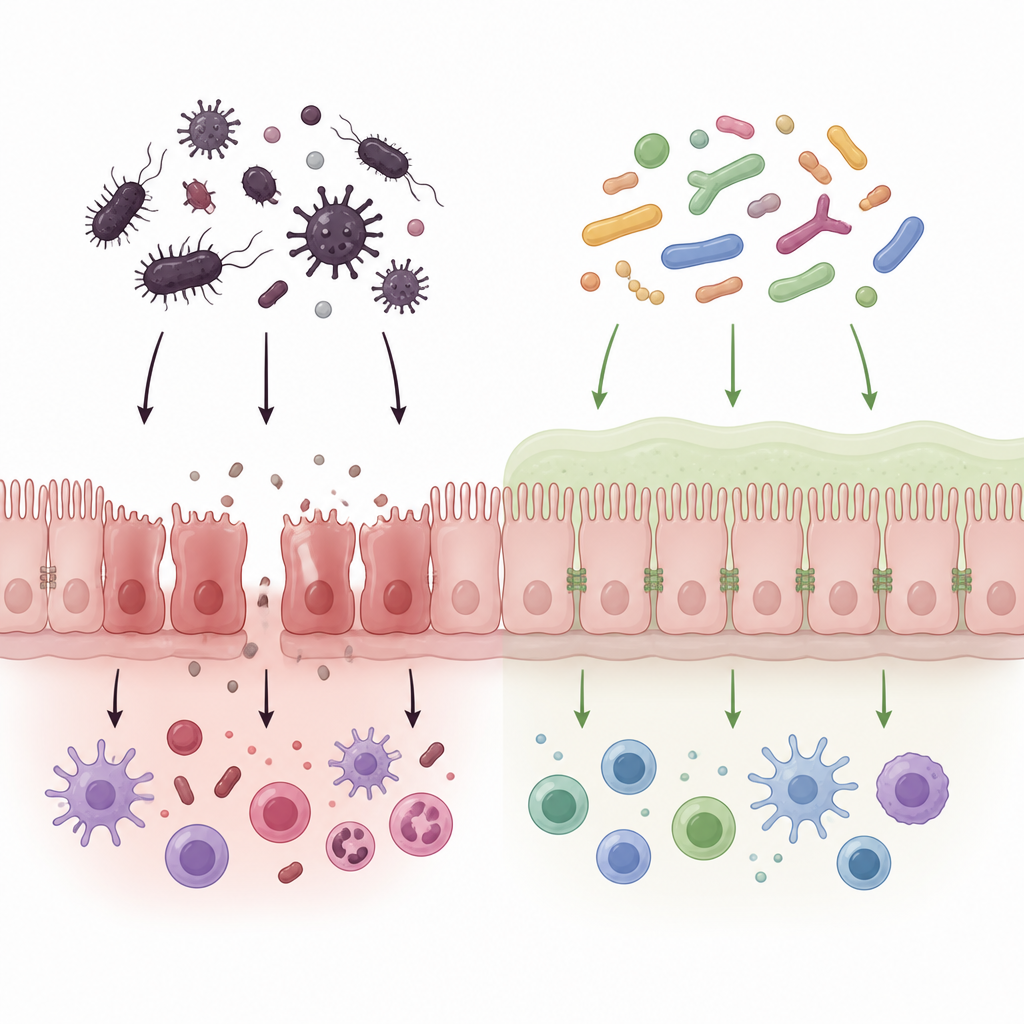
New ways to treat the gut ecosystem
Because the microbiota sits at the crossroads of these processes, researchers are testing ways to deliberately reshape it. Approaches include carefully chosen antibiotics, fecal microbiota transplantation from healthy donors, diets rich in fiber or timed feeding, and supplements of specific probiotic strains or mixtures combined with supportive fibers known as synbiotics. Early animal and small human studies suggest these strategies can lessen diarrhea, reduce inflammatory markers, and improve healing of the gut lining, although results vary and long-term safety still needs careful study.
Looking ahead to microbe-guided care
Overall, the article concludes that radiation enteritis arises from a tangle of direct tissue injury, immune disruption, and shifts in gut microbes and their metabolites. Helpful and harmful bacteria, along with the substances they make, can steer the gut toward repair or persistent damage. By mapping these relationships more precisely and testing microbiota-focused therapies in larger, well-designed trials, clinicians may eventually predict who is at highest risk and tailor microbe-based treatments to prevent or ease radiation-related gut disease.
Citation: Tao, M., Liu, Y., Guo, H. et al. The role of the gut microbiota in radiation enteritis: from mechanistic insights to therapeutic applications. Commun Biol 9, 692 (2026). https://doi.org/10.1038/s42003-026-10263-3
Keywords: radiation enteritis, gut microbiota, intestinal barrier, probiotics, fecal microbiota transplantation