Clear Sky Science · en
Polystyrene nanoplastics and benzo(a)pyrene synergistically induce lung fibrosis and inflammation via relaxin signalling in mice
Why tiny plastics and smoke chemicals matter
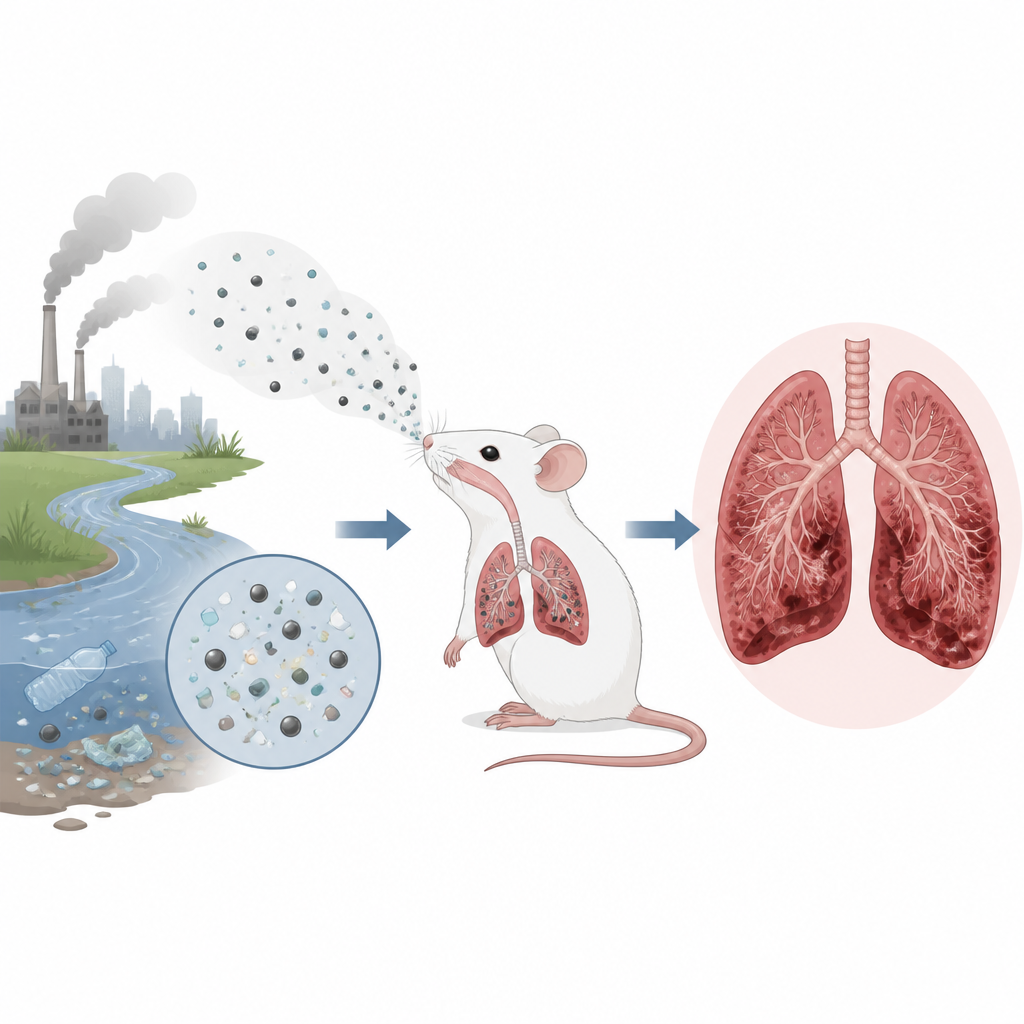
Everyday plastic waste slowly breaks down into particles so small that they can float in the air and enter our lungs. At the same time, burning coal, oil, and tobacco releases sticky chemicals like benzo(a)pyrene, a well known byproduct of smoke. This study in mice asks a simple but urgent question: what happens when these two pollutants arrive in the lungs together, not in heavy accidents, but in small, steady doses that resemble real life exposure?
Two pollutants are worse than one
The researchers exposed mice for 16 weeks to tiny polystyrene plastic particles, to benzo(a)pyrene, or to both at once in amounts comparable to what people might breathe over years in heavily polluted cities. Alone, each pollutant caused only mild changes. Together, they produced clear lung injury: the air sacs became distorted and thickened, immune cells flooded in, and scar like tissue began to build up. Chemical tests showed that the lungs lost much of their natural antioxidant protection while damage related molecules increased, a pattern linked with long term scarring of lung tissue.
Immune cells casting harmful nets
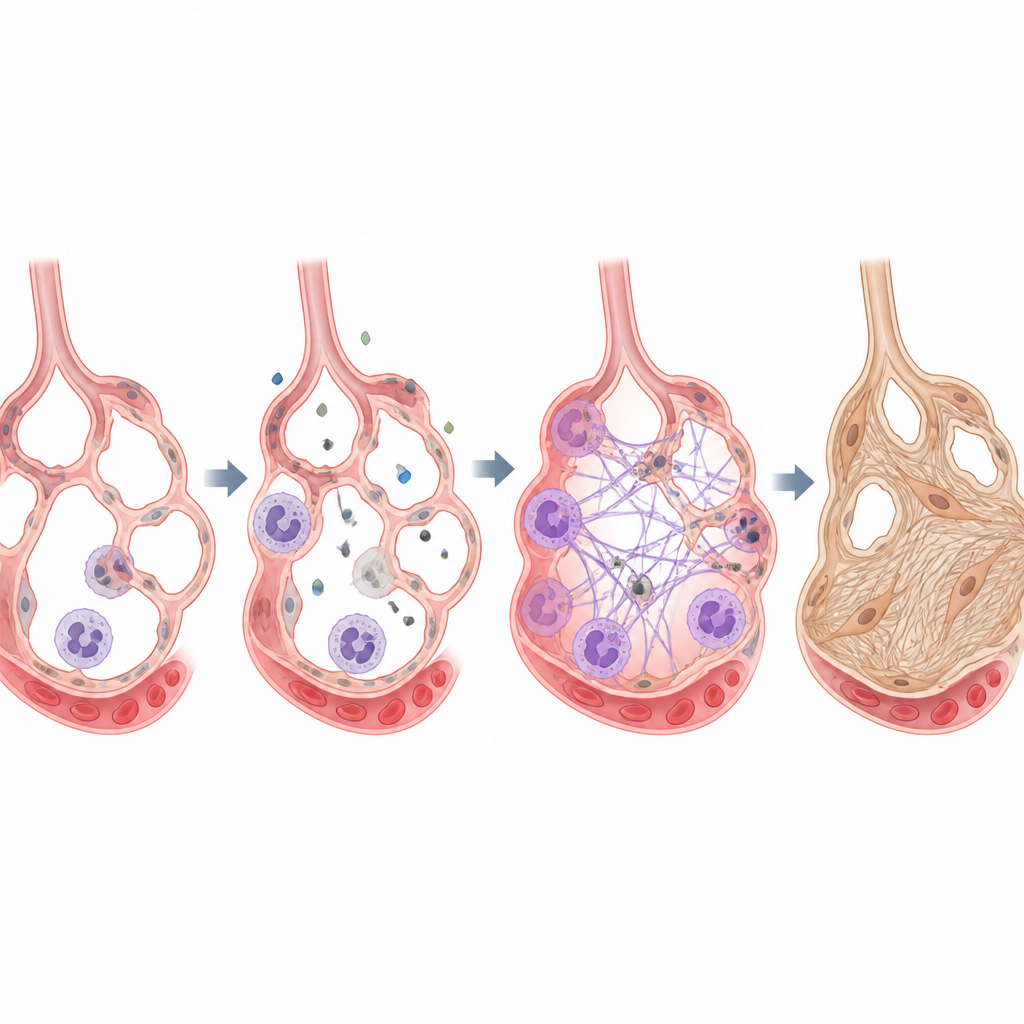
To understand how this damage develops, the team focused on macrophages, key immune cells that patrol the lungs. In dishes of mouse cells, the combined exposure to plastics and benzo(a)pyrene pushed macrophages to release sticky web like structures built from DNA and proteins, known as extracellular traps. While such traps can help catch germs, here they appeared in excess, especially when both pollutants were present. These webs were rich in enzymes that can digest surrounding tissue, and their formation was tied to intense oxidative stress inside the cells.
From protective response to scar formation
The scientists then built a simple model of the air sacs by growing lung lining cells together with macrophages. When they added the pollutant mix, the macrophages released webs that wrapped around nearby cells. This co culture showed much higher levels of chemical messengers that drive inflammation and of proteins that mark the onset of fibrosis, the gradual replacement of soft, springy lung tissue with stiff collagen fibers. Breaking down the DNA webs with an enzyme reduced these harmful signals, pointing to a direct role for the traps in pushing healthy tissue toward scarring.
A hormone pathway turned upside down
Diving deeper, the team used gene activity maps and protein tests to track which internal signalling routes were switched on in damaged lungs. They found that a hormone system called relaxin, usually linked with easing scarring in some organs, behaved very differently under chronic pollution. In these mice, several relaxin related receptors were more active and fed into two major control circuits inside cells, known as PI3K AKT and MAPK pathways, which are closely tied to inflammation and tissue growth. Another branch of the relaxin system triggered a burst of calcium release from storage sites inside macrophages, which in turn helped launch the harmful DNA webs. Blocking calcium entry reduced web formation and the related fibrosis markers, showing that this calcium surge is a key step in the process.
What this means for lung health
For non specialists, the message is stark but clear: very small plastic fragments and smoke related chemicals may quietly work together to damage lungs over time, even at levels meant to reflect everyday pollution. The study suggests that macrophages, trying to defend the lung, can overshoot and weave nets that ultimately promote scarring, especially when driven by a reprogrammed relaxin hormone system. While these experiments were in mice and do not directly predict human disease, they reveal a detailed chain of events that links common pollutants to lasting lung injury and highlight new molecular targets that future therapies might aim to calm.
Citation: Chen, Y., Zhang, Y., Zhang, Y. et al. Polystyrene nanoplastics and benzo(a)pyrene synergistically induce lung fibrosis and inflammation via relaxin signalling in mice. Commun Biol 9, 643 (2026). https://doi.org/10.1038/s42003-026-09872-9
Keywords: nanoplastics, benzo(a)pyrene, lung fibrosis, macrophage traps, relaxin signaling