Clear Sky Science · en
OSBPL3 drives colorectal cancer progression via Hippo-YAP signaling and modulates MEK inhibitor sensitivity
Why this research matters for patients
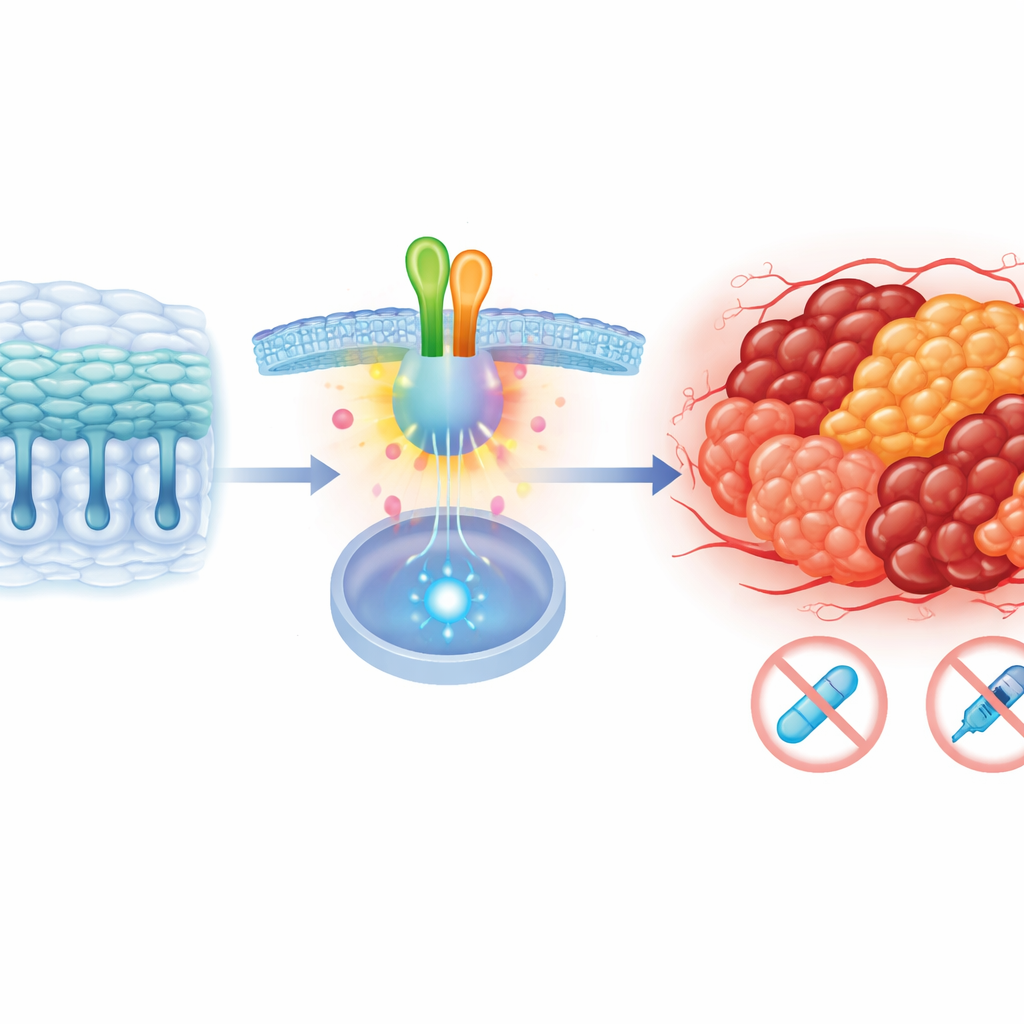
Colorectal cancer is one of the leading causes of cancer deaths worldwide, and many patients eventually run out of effective treatment options. This study uncovers a previously underappreciated molecule, called OSBPL3, that not only helps drive tumor growth but also makes tumors less sensitive to a targeted drug already used in the clinic. Understanding this hidden “switch” could open new ways to predict which patients will respond to therapy and how to design smarter drug combinations.
A hidden helper of tumor growth
The researchers began by asking whether OSBPL3, a protein best known for handling fats inside cells, might also influence how colorectal cancers behave. By analyzing large public cancer databases and patient samples, they found that OSBPL3 levels are much higher in colorectal tumors than in normal colon tissue. Patients whose tumors carried more OSBPL3 tended to have shorter survival, and higher expression was seen not only in early lesions but even more in advanced cancers that had spread to the liver. These patterns suggested that OSBPL3 is not just a bystander but could be actively helping tumors grow and spread.
Turning cancer cell behavior up or down
To test this idea, the team experimentally dialed OSBPL3 levels up and down in colorectal cancer cell lines. When they reduced OSBPL3, cancer cells grew more slowly, migrated less, invaded through membranes less efficiently, and became stalled in a non-dividing phase of the cell cycle. When they restored OSBPL3 in these cells, all of these aggressive behaviors bounced back, confirming the effect was specific. In contrast, forcing cells with initially low OSBPL3 to overproduce it sped up their growth, boosted their ability to move, and made them form more colonies. When these engineered cells were implanted into mice, tumors with extra OSBPL3 grew larger and heavier than control tumors. Patient-derived mini-tumors grown in dishes (organoids) told a similar story: organoids with naturally high OSBPL3 expanded faster and were more viable than those with low levels.
A molecular relay to a powerful growth switch
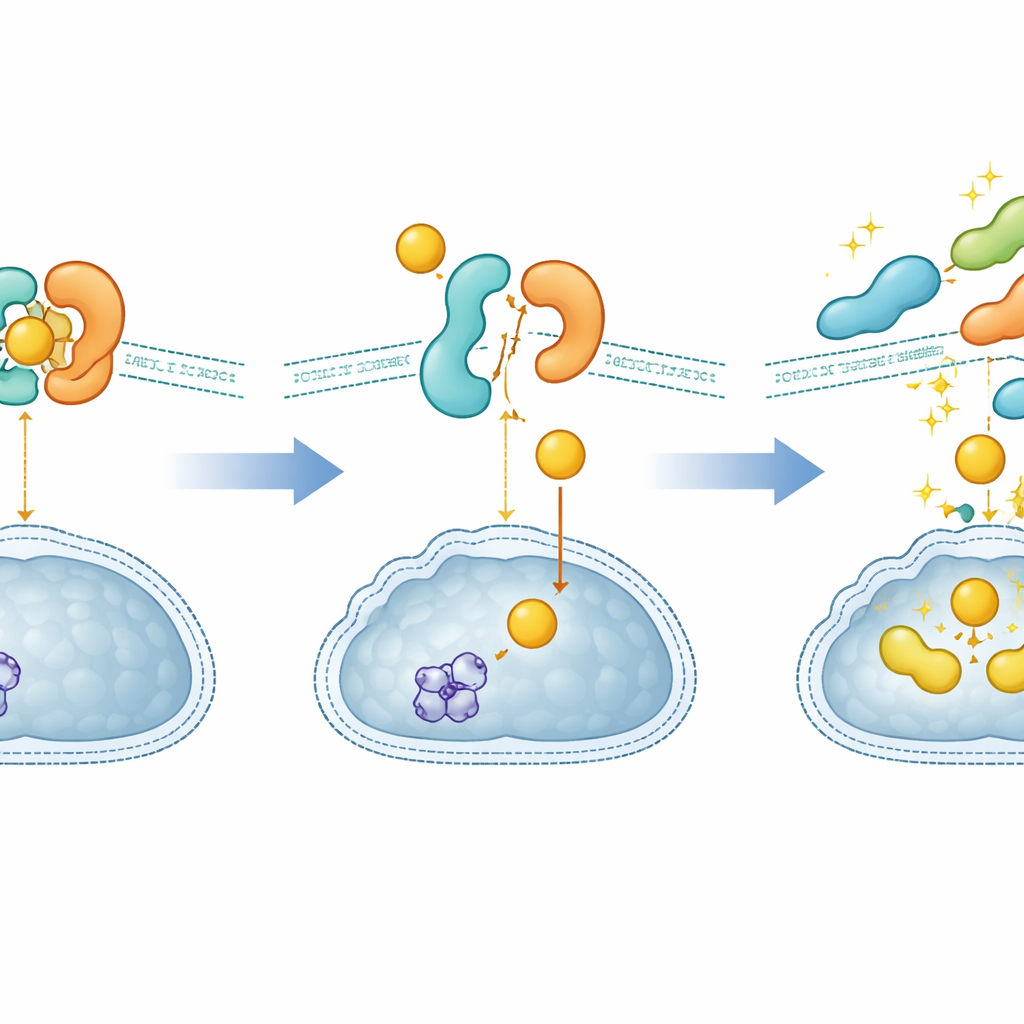
Having shown that OSBPL3 changes how tumors behave, the scientists next asked how it does so. Global RNA and protein profiling revealed that when OSBPL3 was altered, several cancer-related communication routes in the cell shifted, especially a pathway called Hippo-YAP, which is known to control cell growth and tissue renewal. Detailed experiments showed that lowering OSBPL3 increased a brake protein (LATS1) and reduced levels and activity of YAP1, the pathway’s main growth-promoting switch. Raising OSBPL3 had the opposite effect and caused YAP1 to accumulate in the cell nucleus, where it can turn on genes that encourage proliferation and survival. By adding or removing YAP1 in various cell models, the team showed that YAP1 is required for OSBPL3’s ability to enhance tumor growth, both in cell cultures and in mouse tumors.
How OSBPL3 rewires drug response
The study also connects OSBPL3 to trametinib, a drug that targets another growth pathway (MAPK/MEK) and is used for certain colorectal cancers with specific gene changes. Earlier work had shown that YAP1 can allow cancer cells to escape the effects of MEK-blocking drugs. Here, the authors found that reducing OSBPL3 made cells many times more sensitive to trametinib, while boosting OSBPL3 made them more tolerant. High-OSBPL3 organoids from patients likewise needed more drug to be killed and showed less cell death. Knocking down YAP1 reversed this resistance, and combining trametinib with a YAP1-blocking compound produced a strong, synergistic loss of viability in cells overexpressing OSBPL3, even though the YAP1 blocker alone had little effect.
A new handle on hard-to-treat colorectal cancer
In simple terms, this work identifies OSBPL3 as a fat-handling protein that moonlights as a cancer accelerator in the colon. By partnering with helper proteins called 14-3-3, OSBPL3 helps shuttle the growth switch YAP1 into the nucleus, where it drives cell division and survival. This same route also blunts the impact of trametinib, a targeted drug aimed at a different growth pathway. The findings suggest that measuring OSBPL3 in tumors could help flag patients at higher risk of aggressive disease and poor response to MEK inhibitors, and that combining YAP1-directed treatments with existing drugs might overcome resistance in tumors with high OSBPL3.
Citation: Zhong, Y., Zheng, C., Wang, Z. et al. OSBPL3 drives colorectal cancer progression via Hippo-YAP signaling and modulates MEK inhibitor sensitivity. Commun Biol 9, 549 (2026). https://doi.org/10.1038/s42003-026-09811-8
Keywords: colorectal cancer, OSBPL3, Hippo-YAP signaling, drug resistance, trametinib