Clear Sky Science · en
Digital physiological biomarkers predict within-person symptom changes in complex chronic illness
Why tracking your pulse might predict a bad day
People living with long-lasting illnesses such as Long COVID or chronic fatigue often describe their symptoms as a roller coaster: some days are manageable, others bring overwhelming exhaustion, brain fog, or a full "crash." These swings can feel random, leaving patients unsure when to rest or plan important activities. This study asks a simple but powerful question: can quick daily readings from a phone or wearable device help forecast those bad days before they arrive?
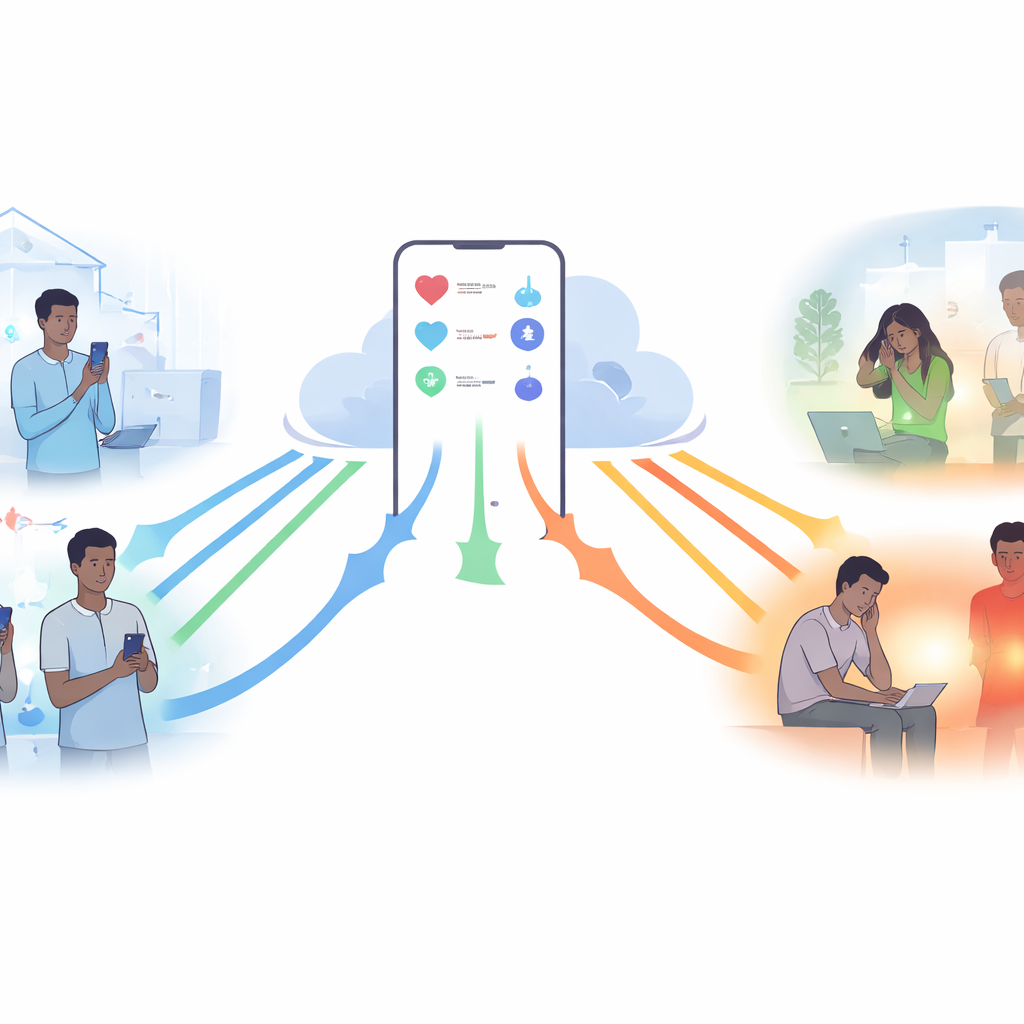
Everyday life turned into a health laboratory
Researchers partnered with users of a mobile app called Visible, designed for people with complex chronic illnesses that limit energy. More than 4,200 adults around the world chose to share their data anonymously. Each morning, they took a 60‑second reading with either a smartphone camera or a small arm sensor. These tools measured resting heart rate, heart rate variability (a measure of how much the time between beats changes from beat to beat), and breathing rate. Each evening, the same people reported how they felt, including whether they had a crash and how severe their fatigue and brain fog were.
Patterns hidden inside tiny daily changes
Instead of just comparing one person with another, the scientists focused on how each individual changed from their own usual pattern. They asked: on days when a person’s morning heart measures were different from their typical baseline, did that same evening bring worse symptoms? The answer was yes. When a person’s resting heart rate was higher than usual and their heart rate variability was lower than usual, they were more likely to report a crash, severe fatigue, or brain fog later that day. Greater ups and downs in these measures over the previous week also signaled more trouble ahead, suggesting that a stable heart pattern may go hand in hand with more stable symptoms.
Teaching models to recognize risk
To see whether these signals could be used in practice, the team trained computer models on each person’s time series of data. First, they tested models that relied only on the previous day’s symptom reports. These already did a decent job: if someone felt bad yesterday, the model often guessed they might feel bad today. Then they added the morning heart and breathing readings. The models became modestly but reliably better at telling apart low‑symptom and high‑symptom days, especially for crashes and brain fog. In other words, heart signals did not replace how people felt, but they did add useful extra information about what might happen next.
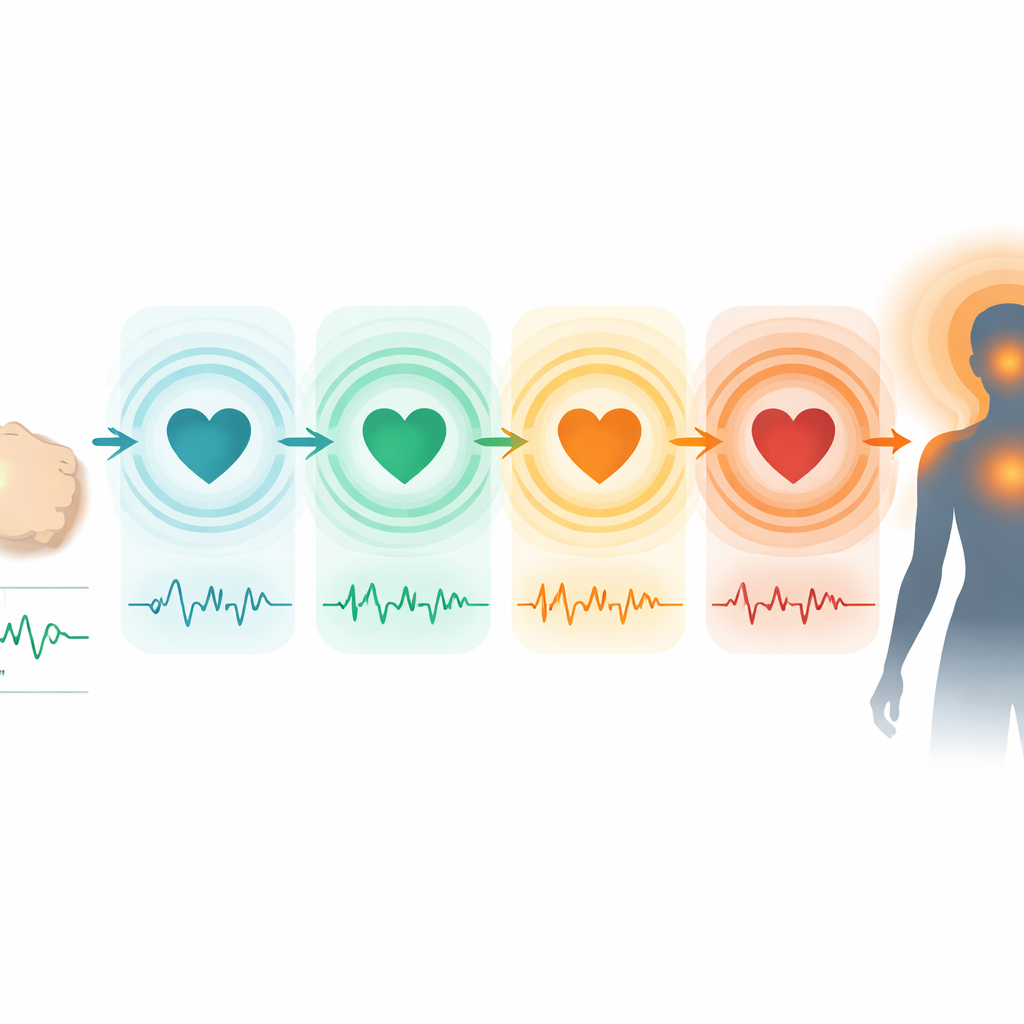
What this could mean for daily life
For people coping with Long COVID, ME/CFS, and related conditions, even small hints about an approaching downturn can matter. If an app can warn that today’s heart pattern looks risky, a person might choose to rest more, postpone demanding tasks, or plan extra support. The study also hints that long‑term stability in heart rhythm may reflect deeper resilience in the body’s stress and immune systems. However, the researchers caution that their models are far from perfect. They work best when tuned to each individual, and they sometimes miss bad days or raise false alarms. The data also come from people who chose to use this particular app and devices, so results may not apply to everyone.
A step toward more predictable days
Overall, the study shows that quick, at‑home readings of heart behavior can help predict, in a small but meaningful way, when symptoms in complex chronic illness are likely to worsen. Morning spikes in resting heart rate and drops in heart rate variability, especially when they bounce around over several days, often foreshadow evening crashes, fatigue, and brain fog. While more work is needed with continuous sensors, broader groups of patients, and stronger prediction tools, the findings point toward a future in which people living with unpredictable illnesses can use simple digital checks to better anticipate and manage the hardest days.
Citation: Aitken, A., Sawyer, A., Iwasaki, A. et al. Digital physiological biomarkers predict within-person symptom changes in complex chronic illness. npj Digit. Med. 9, 257 (2026). https://doi.org/10.1038/s41746-026-02543-3
Keywords: long COVID, heart rate variability, wearable sensors, chronic fatigue, digital health monitoring