Clear Sky Science · en
Precision cardiovascular medicine with big data and AI
Why Your Heart Data Matters More Than Ever
Heart disease is still the world’s number one killer, but the way doctors understand and treat it is changing fast. Hospitals now collect oceans of information: scans, lab results, genetic tests, phone and watch readings, and long medical histories. This review explains how big data and artificial intelligence (AI) are being woven together to turn that messy stream of numbers into earlier warnings, more accurate diagnoses, and more tailored treatments for common conditions like clogged arteries, heart failure, irregular heartbeats, and high blood pressure — and why the hardest part is no longer building smart algorithms, but putting them to work safely and fairly in real life.
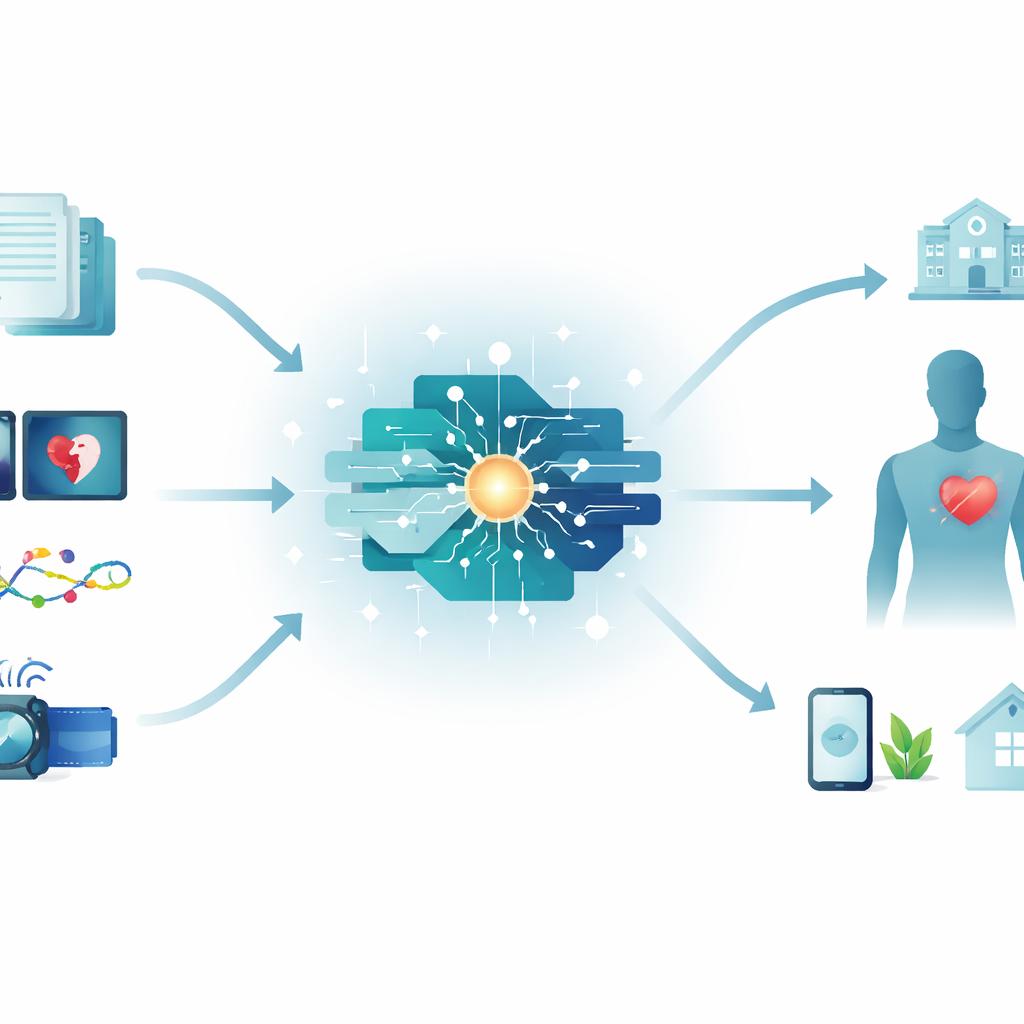
From Piles of Records to a Whole-Body Picture
Modern heart care produces several very different kinds of data. Traditional electronic health records track diagnoses, prescriptions, and blood tests over many years. Imaging tests such as CT, MRI, and ultrasound show structure and motion inside the heart and blood vessels. Wearables quietly record pulse, activity, and sleep around the clock. On top of that, new laboratory methods can profile thousands of molecules in blood or even read out which genes are switched on in single heart cells. The review explains that no single stream can capture the full story of a person’s cardiovascular risk. AI methods are therefore being used to standardize these sources and then combine them, so computers can see patterns that would be invisible if each type of data were analyzed in isolation.
How Smart Tools Are Already Helping Doctors
The authors describe a wave of AI tools moving from research labs into clinics. For people with clogged heart arteries, computer models now analyze CT scans to estimate how much blood flow is truly blocked, helping avoid unnecessary invasive procedures. Deep learning systems can outline tiny plaques inside vessels and estimate which ones look fragile and prone to cause a heart attack. In heart failure, algorithms trained on routine ultrasound videos and simple electrocardiograms can flag early pump weakness, sometimes before symptoms appear. For irregular heart rhythms like atrial fibrillation, watches and phone cameras measuring subtle pulse signals can now detect episodes that once went unnoticed. AI is also being used to guess who will benefit most from certain drugs or procedures, nudging care toward truly individualized treatment instead of one-size-fits-all rules.
Continuous Watching and Care Beyond the Clinic
Another major shift is from occasional checkups to near-continuous monitoring. Wearable patches, smartwatches, and even breathing machines can feed live streams of information to AI systems that look for early signs of trouble — days before a heart failure flare-up or a dangerous blood pressure spike. The review highlights pilot platforms that link home devices, hospital records, and mobile apps into cloud-based “command centers” for chronic heart conditions. In theory, this makes it possible to send timely advice, adjust medications remotely, or trigger a nurse phone call as soon as a risk signal appears. In practice, the benefits only materialize when alerts plug into clear response plans, staff capacity, and easy-to-use tools for patients, rather than simply generating more data and more alarms.
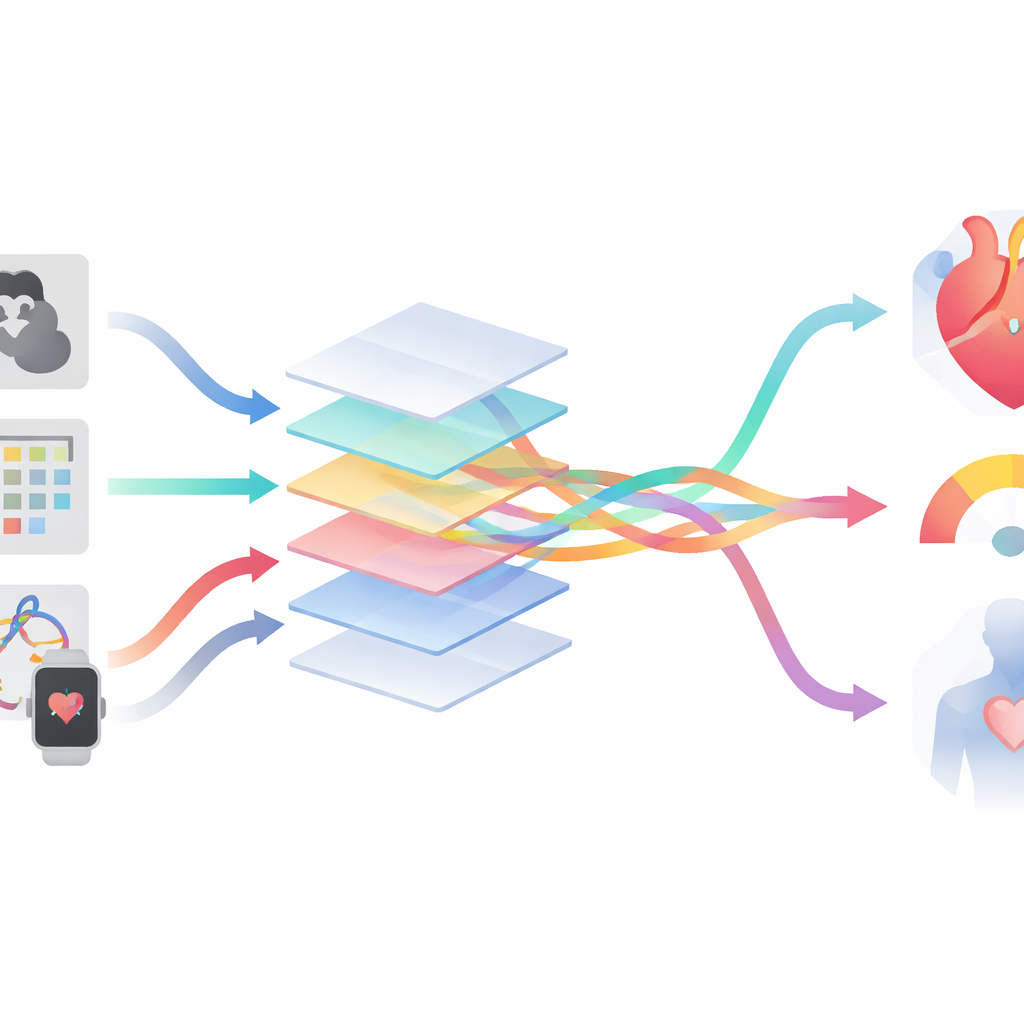
Roadblocks: Evidence, Equity, and Trust
Despite headlines, most heart-related AI systems are still in an early stage. Many were tested only on past data from a few hospitals and judged mainly by technical scores such as accuracy, not by whether people lived longer or felt better. When moved into everyday care, gains often shrink because clinics lack the staff, equipment, or reimbursement to act on every risk alert. The review also warns that algorithms trained on unbalanced data can work poorly for women, older adults, or minority and low-income groups, potentially widening health gaps. At the same time, clinicians may be reluctant to rely on “black box” systems they cannot easily interpret, and patients worry about who sees their sensitive health information in an era of massive data sharing.
What This All Means for Future Heart Care
In plain terms, the article concludes that AI and big data can help move cardiology from reactive care — waiting for a heart attack or stroke — to proactive care that spots trouble early and tailors prevention and treatment to the individual. Yet smarter predictions alone do not save lives. Real benefits will come only when high-quality, diverse data, understandable models, clear clinical playbooks, strong privacy protections, and fair, flexible regulation are in place together. With careful design and broad collaboration across doctors, technologists, regulators, and patients, the authors argue that AI can become a trusted partner in lifelong cardiovascular health rather than a flashy gadget that never quite leaves the research stage.
Citation: Xu, Q., Li, Y., Zhu, M. et al. Precision cardiovascular medicine with big data and AI. npj Digit. Med. 9, 339 (2026). https://doi.org/10.1038/s41746-026-02538-0
Keywords: cardiovascular AI, big data in medicine, wearable heart monitoring, precision cardiology, digital health platforms