Clear Sky Science · en
Overcoming Data Loss in Wearable Disease Detection with GAN-Based Imputation
Why Missing Data from Wearables Matters
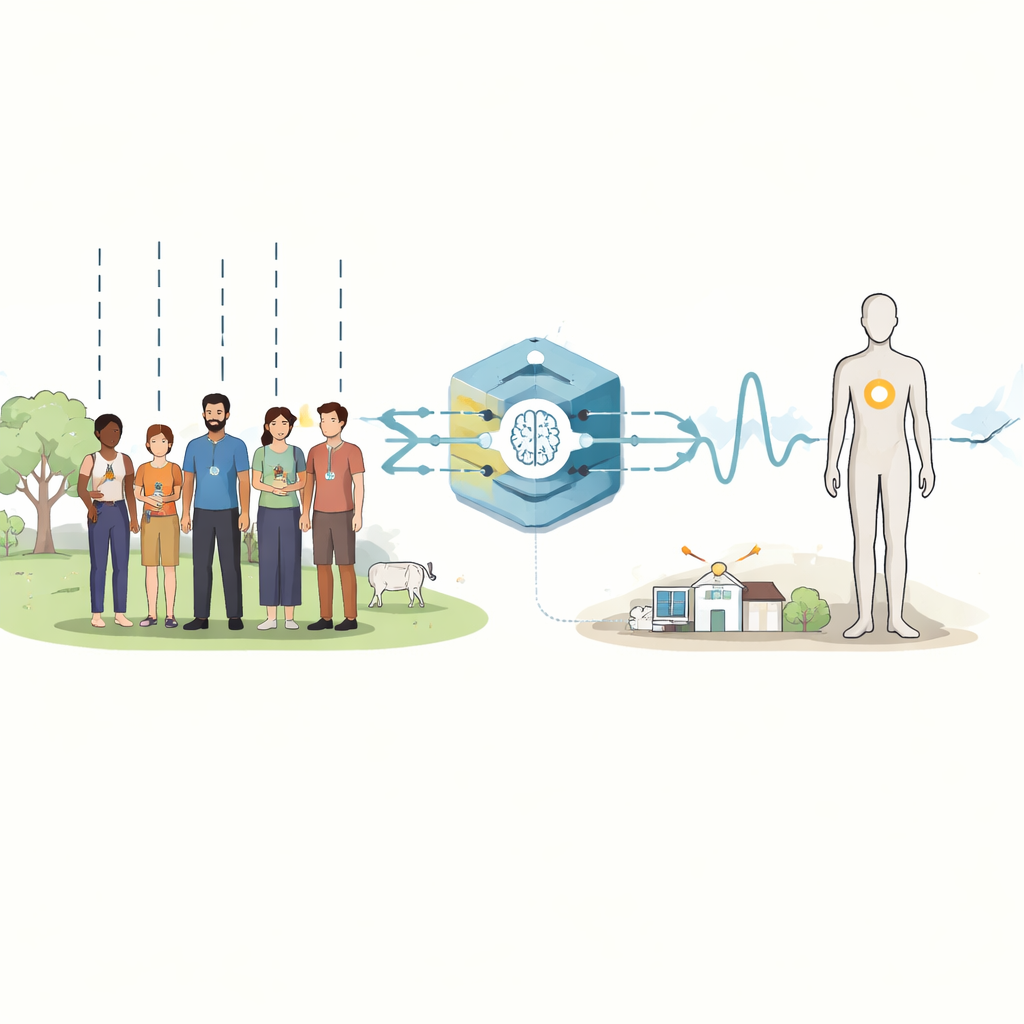
Fitness trackers and smartwatches hold a tantalizing promise: what if they could warn us of an infection days before we feel sick? In many parts of the world, especially rural regions with few clinics and labs, that kind of early warning could mean the difference between a mild illness and a dangerous one. But in real life, people forget to wear devices, batteries die, and internet connections drop. This study tackles a simple but critical question: can we rescue those broken data streams well enough to still spot early signs of disease?
Turning Gaps into a Useful Signal
The researchers focused on heart rate data from wrist-worn devices, because nightly resting heart rate tends to rise subtly before symptoms appear. Instead of discarding nights with missing readings, they used a type of artificial intelligence called a generative adversarial network (GAN) to fill in the gaps. Think of the GAN as a very skilled guesser that has learned typical daily heart rhythm patterns and can reconstruct what likely happened during the missing hours, while still allowing for unusual changes caused by infection.
Testing the Idea Across Two Very Different Diseases
To see if this approach works in the real world, the team studied two large groups of people. One was a COVID-19 cohort in the United States with over 3,000 participants who generally had reliable wearable data. The other was a much smaller malaria cohort in rural western Kenya, where only about half of the expected heart rate readings were actually recorded because of charging, connectivity, and wear‑time challenges. Remarkably, the GAN was trained only on the COVID‑19 data, yet it was still able to reconstruct believable heart rate patterns in the malaria group without any retraining.
Finding Hidden Infections in Rural Kenya
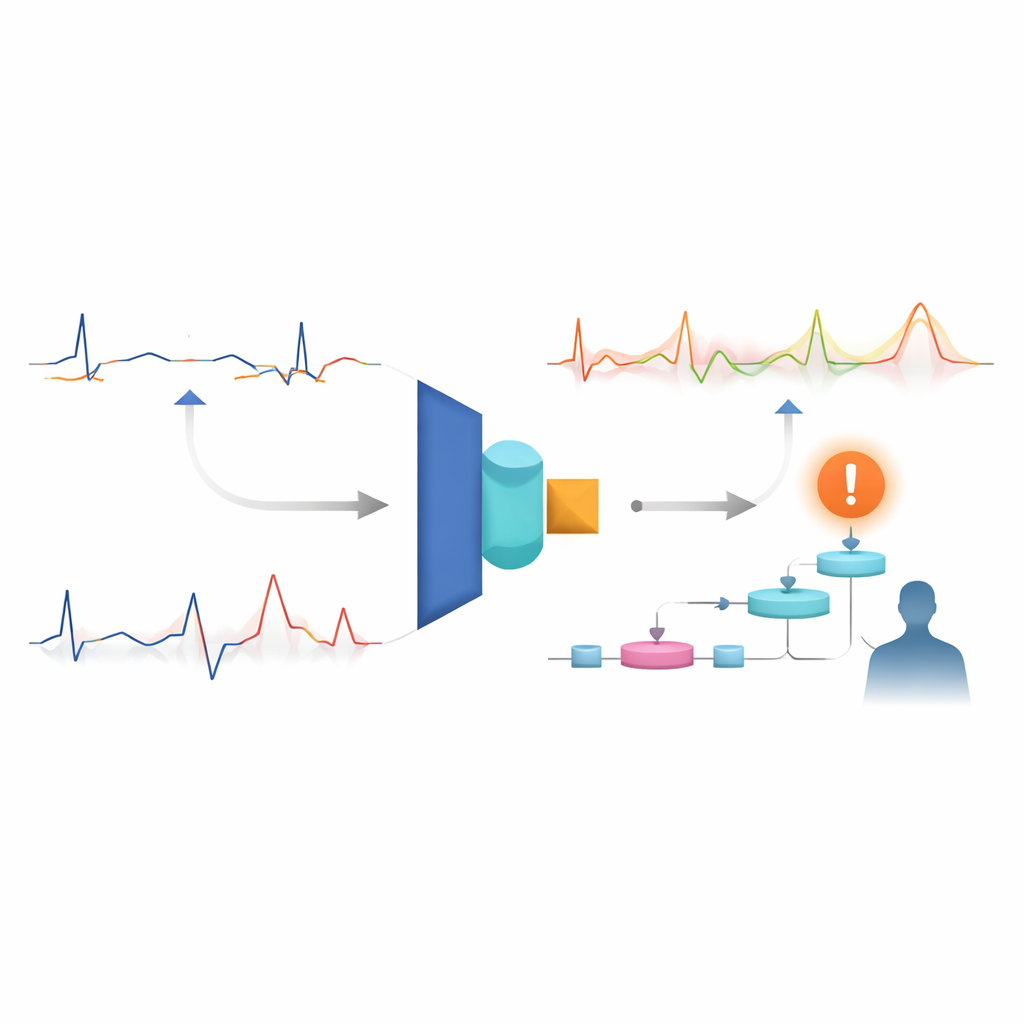
In the Kenyan malaria study, 300 adults wore wristbands while field workers regularly tested them for malaria and collected symptom diaries. The authors combined the GAN’s reconstructed nightly heart rates with a simple rule‑based system that watches for sustained increases above a person’s usual baseline. Out of 161 malaria infections, their system raised early alerts in 100 cases, and in 42 of those, an alert would not have happened at all without filling in the missing data. On average, these alerts appeared about 12 days before people reported symptoms, nearly matching the known time it takes malaria parasites to build up in the blood. Even with heavy data loss, alerts tended to appear on 3.5 days in a row during the infection window, making it more likely that health workers would notice and act.
Balancing Accuracy, Clarity, and Practicality
The team compared the GAN to common gap‑filling methods, from very simple approaches like carrying the last value forward to more advanced statistical models. Across both disease groups, the GAN generally produced the most accurate reconstructions and better preserved natural day–night heart rate rhythms, even when more than 70 percent of the data were missing. When these improved signals were fed into automated infection‑detection models, both sensitivity (catching true cases) and precision (avoiding false alarms) increased. At the same time, the GAN was designed to be lightweight and fast, so that it could eventually run on basic computers or edge devices in places with limited power and connectivity.
What This Could Mean for Everyday Care
For non‑specialists, the key takeaway is that missing data from wearables is not just noise to be thrown away. With the right kind of intelligent reconstruction, those gaps can be turned back into a meaningful warning signal. This study shows that an AI model trained on one disease (COVID‑19) can help detect another (malaria) in a very different setting, giving health workers a week or more of advance notice in many cases. If deployed safely and ethically, such systems could help community health workers decide whom to test, when to visit, and how to prioritize scarce resources, moving care from reacting to full‑blown illness toward quietly catching infections while there is still time to intervene.
Citation: Wallner, J., Berbuir, S., Birner, L. et al. Overcoming Data Loss in Wearable Disease Detection with GAN-Based Imputation. npj Digit. Med. 9, 275 (2026). https://doi.org/10.1038/s41746-026-02518-4
Keywords: wearable sensors, infectious disease detection, malaria, missing data imputation, digital health in low-resource settings