Clear Sky Science · en
Real–time digital prescriptions unlock influenza dynamics: evidence from 21 million transactions
Turning Online Medicine into an Early-Warning Signal
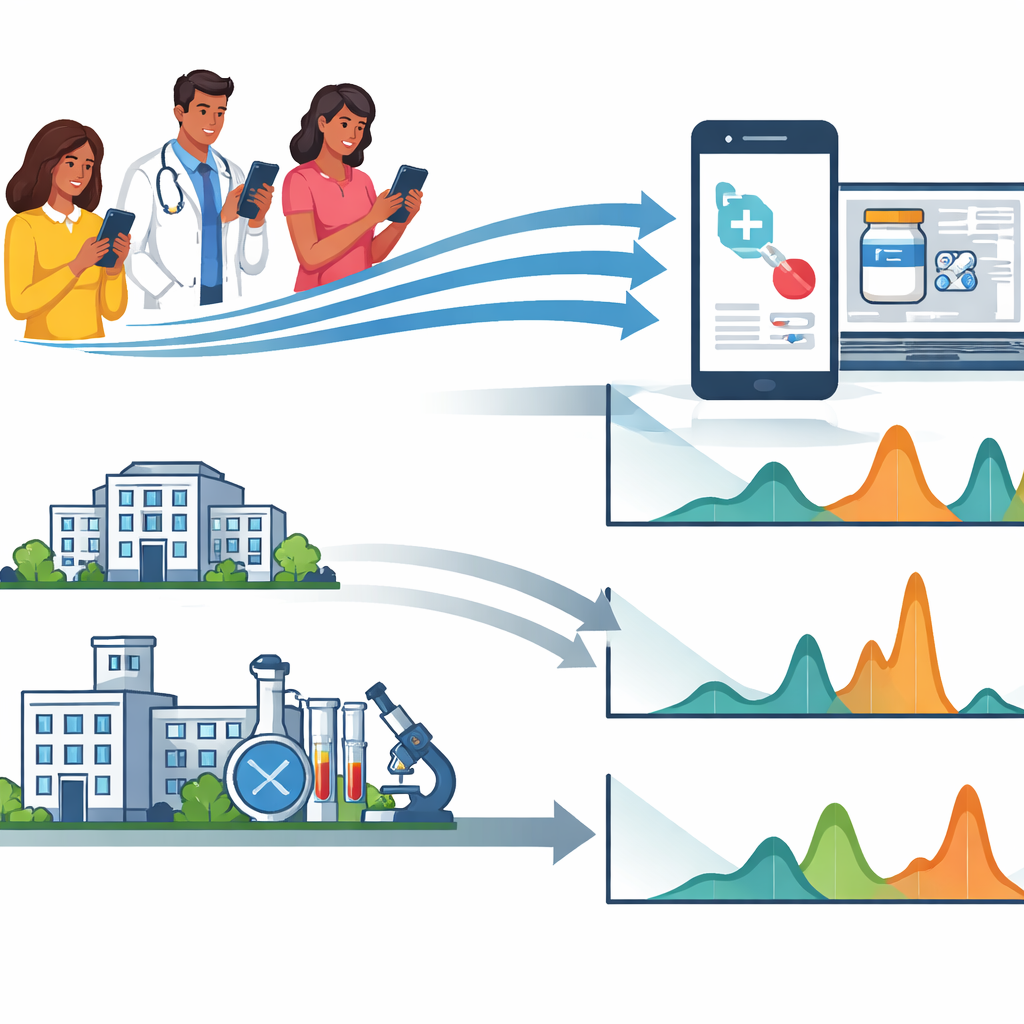
When people feel sick today, many no longer head straight to a clinic—they reach for their phones. In China, millions now get antiviral drugs for flu through on-demand delivery services. This study asks a simple but powerful question: can these digital prescription records reveal when flu is surging, earlier and more reliably than traditional lab reports or internet searches? If so, the clicks we make to order medicine could help health officials move faster to prepare hospitals, medicines, and vaccines before a wave of illness crests.
Why the Speed of Flu Tracking Matters
Seasonal influenza infects about a billion people worldwide each year and kills hundreds of thousands. Health agencies track flu through lab tests from selected hospitals, but those data arrive one to two weeks late and miss many people who never seek formal care. That delay shrinks the time window for stockpiling antivirals, arranging staff, and guiding public advice. Earlier digital attempts to fill this gap, such as counting flu-related web searches, sometimes failed dramatically—most famously when Google Flu Trends badly overshot real flu levels because it was tracking public worry and media buzz as much as the virus itself. The authors of this paper set out to see whether online prescription purchases, which require doctor approval and real money, can provide a cleaner, more trustworthy signal.
What 21 Million Prescriptions Reveal
The researchers examined 21.08 million digital prescriptions for flu antivirals filled on China’s largest on-demand medication platform between 2022 and 2024, covering 31 provinces. They compared daily prescription rates with national lab data showing how many respiratory samples tested positive for influenza each week. Across multiple flu waves, the ups and downs of prescriptions lined up closely with lab-confirmed flu activity, even across regions with very different climates and health systems. On average, rises in digital prescriptions appeared around two weeks before corresponding changes in the lab data, effectively providing an early glimpse of the same epidemic curve.
Separating True Signals from Seasonal Noise
Correlations alone can be misleading, because many things—like cold weather or air pollution—rise and fall with the seasons. To tackle this, the team used a causal analysis framework that tests whether one time series genuinely contains predictive information about another, beyond shared seasonality. Digital prescriptions not only predicted future lab-confirmed flu levels but also were themselves influenced by the underlying spread of the virus, revealing a two-way relationship. In contrast, online search activity and environmental conditions mostly pushed flu activity in one direction without being affected in return, indicating they act more as background drivers or attention signals than as mirror images of the epidemic itself. This pattern suggests that prescription data are tightly coupled to real illness, rather than just moving in parallel with the seasons.
From Real-Time Data to Long-Range Forecasts
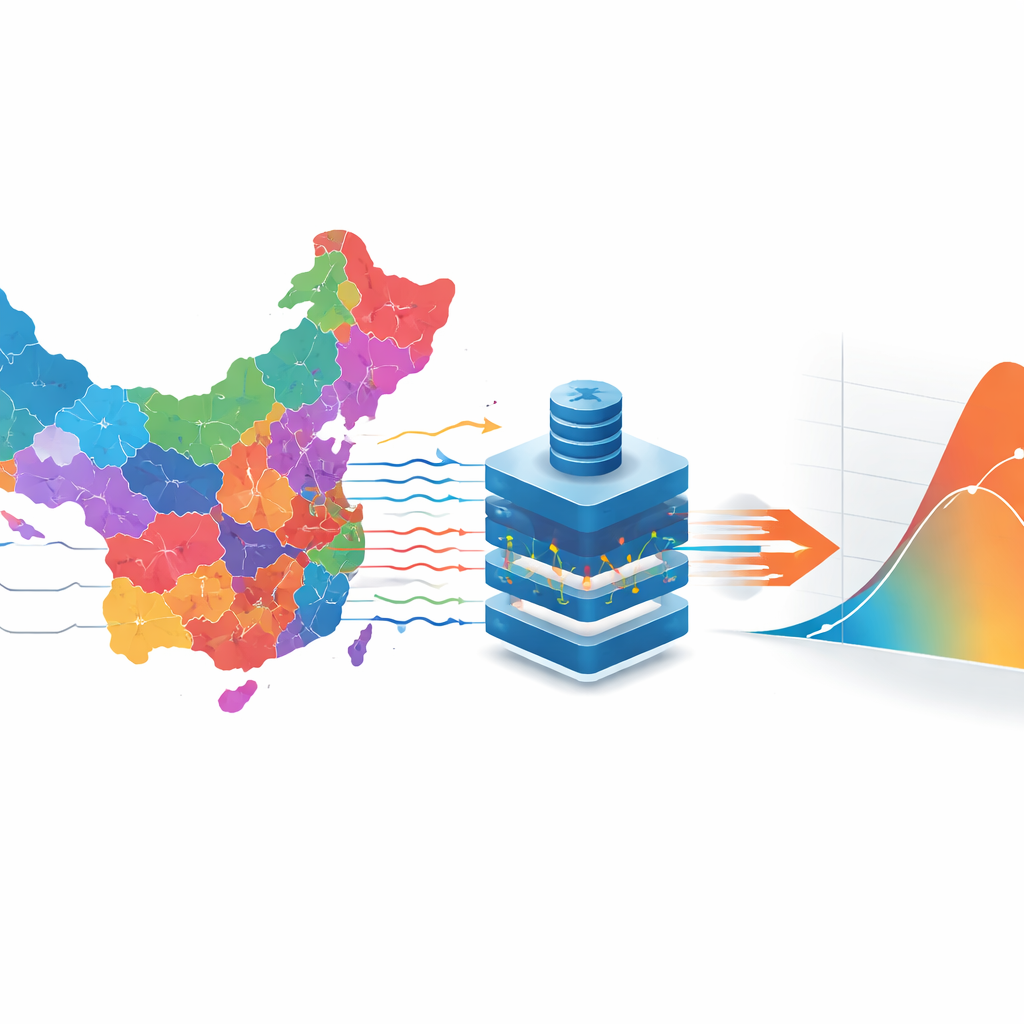
Because digital prescriptions are logged continuously and made available within 24 hours, they can serve as a near-instant measure of community illness. The authors went a step further by feeding prescription records, search trends, weather, pollution, and mobility data into an advanced forecasting system that blends different types of neural networks. This model learned both how outbreaks evolve over time within each province and how they spread across provincial borders. It was able to forecast daily prescription rates—used as a stand-in for flu activity—up to 96 days ahead, with good accuracy in most provinces, including many less urban regions where signals were especially stable.
What This Means for Future Outbreaks
In everyday terms, the study shows that the digital trail left when people buy prescription antivirals can serve as a sensitive, fast, and causally linked indicator of flu’s spread. Unlike search data, which can surge when the news cycle heats up, prescription records reflect real clinical decisions and treatment. They capture many mild and moderate cases that never make it into lab systems, while still being grounded in doctor approval. By validating that these data move in lockstep with lab-confirmed flu and by turning them into reliable three-month forecasts, the work points toward a future where health agencies can use commercial digital platforms as an integral part of epidemic surveillance—spotting trouble earlier and planning responses with more lead time.
Citation: Shen, R., Xu, X., Yang, L. et al. Real–time digital prescriptions unlock influenza dynamics: evidence from 21 million transactions. npj Digit. Med. 9, 315 (2026). https://doi.org/10.1038/s41746-026-02513-9
Keywords: digital prescriptions, influenza surveillance, epidemic forecasting, online pharmacy data, early warning systems