Clear Sky Science · en
Copy number alteration fingerprint predicts the clinical response of oxaliplatin-based chemotherapy in metastatic colorectal cancer
Why this research matters for patients
For people facing advanced colorectal cancer, one of the toughest questions is whether a powerful but toxic chemotherapy drug called oxaliplatin will actually help. Many patients endure side effects such as nerve damage without gaining much benefit, while others experience real tumor shrinkage and longer survival. This study asks a simple but crucial question: can a tumor’s DNA pattern be used to predict who will truly benefit from oxaliplatin-based treatment, so therapy can be better tailored to each person?
Reading cancer’s DNA “landscape”
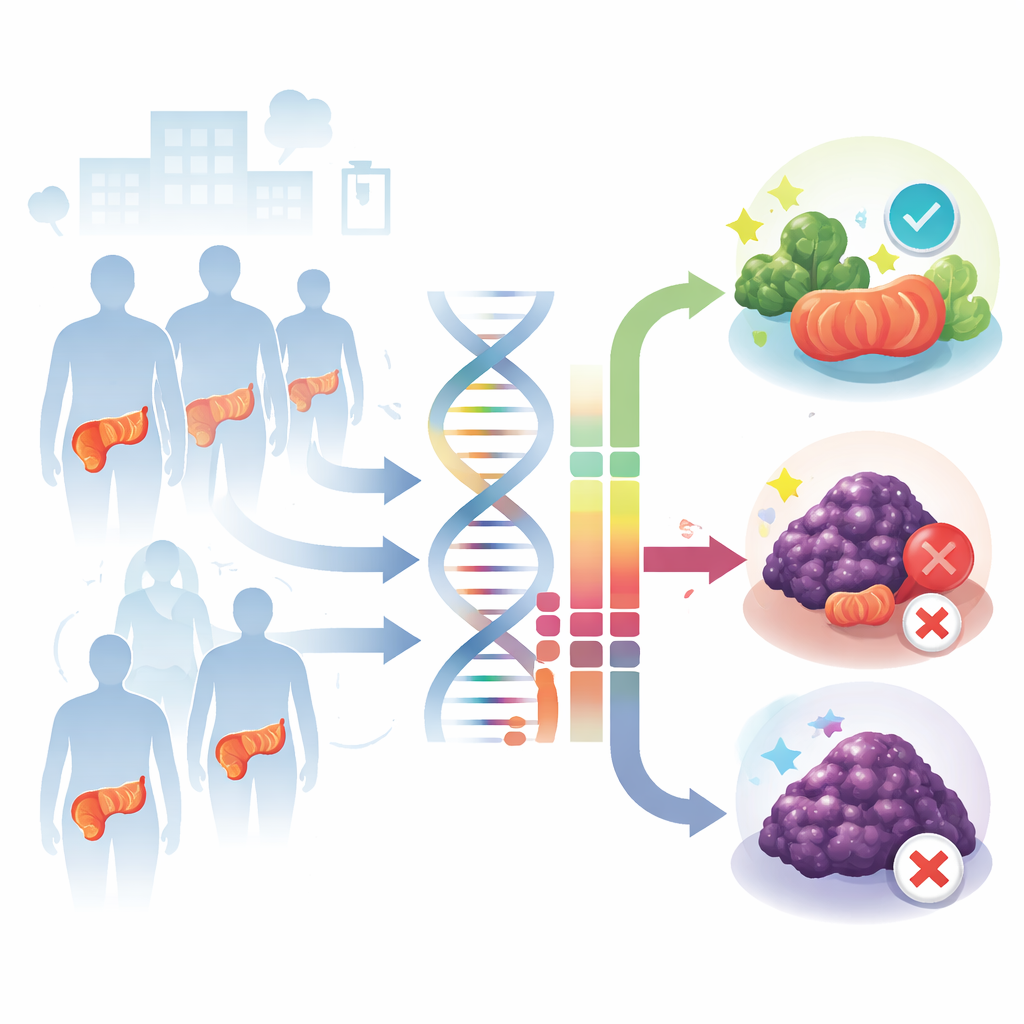
Cancer cells often carry major changes in the number of copies of large stretches of DNA, known as copy number alterations. Instead of having the usual two copies of each region, some segments are duplicated many times or lost entirely. These large-scale changes form a kind of genomic landscape that reflects how the tumor has evolved and how unstable its DNA has become. The researchers reasoned that this landscape might contain clues about how tumors respond to oxaliplatin, a drug that works by damaging DNA. Rather than focusing on single genes, they set out to capture broad DNA patterns across the whole genome.
Building a DNA-based fingerprint
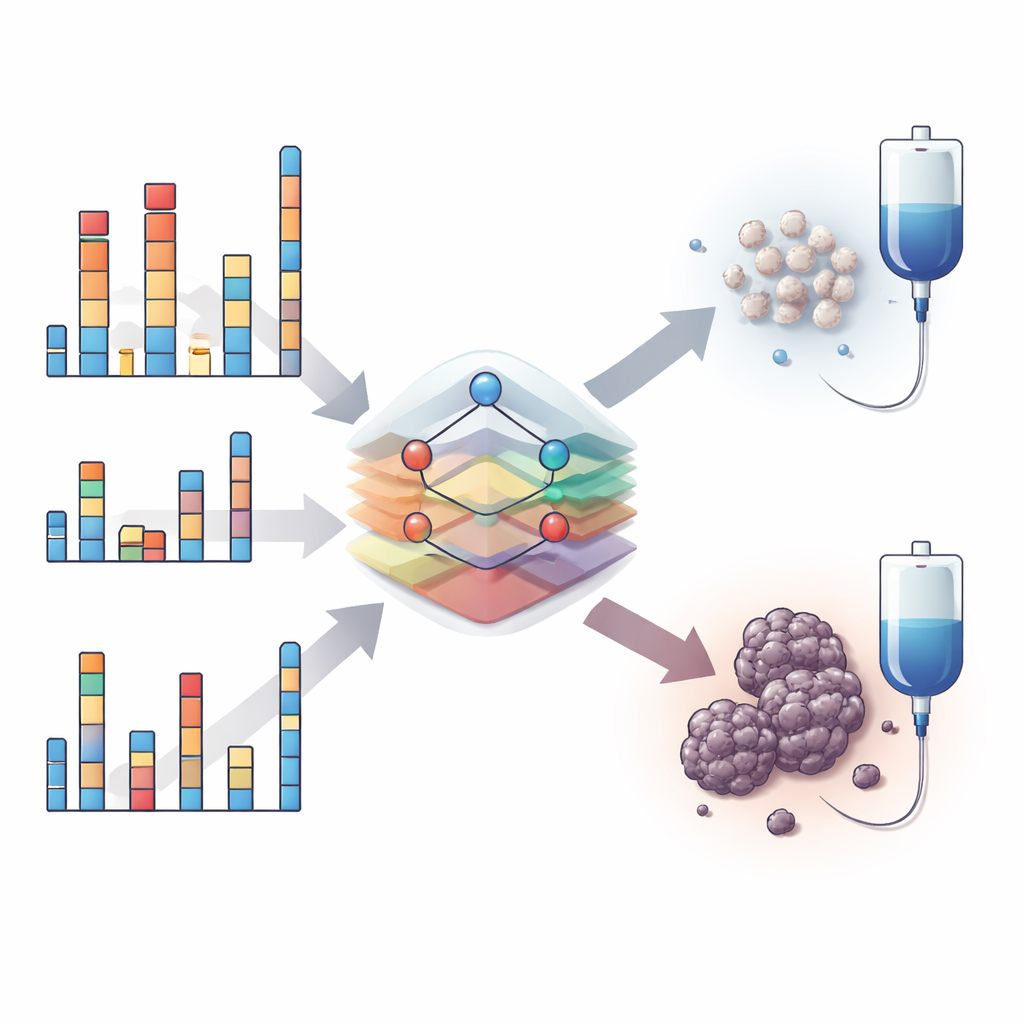
The team collected tumor samples from 297 patients with metastatic colorectal cancer treated at two hospitals. Most had received oxaliplatin in standard combination regimens such as FOLFOX or XELOX. Using a cost-saving sequencing approach that lightly scans the entire genome, they measured copy number changes across each tumor. From these data, they computed 310 different numerical features describing how much of the genome was altered, how strongly certain chromosomes were amplified, and other global characteristics. They then used machine learning, specifically an algorithm called XGBoost, to find which features best separated patients who responded to oxaliplatin from those whose disease continued to grow.
A seven-feature signal of benefit
After extensive comparison of models and feature sets, the researchers distilled their approach down to a “CNA fingerprint” made of just seven DNA features. The most influential element was the count of DNA segments with extremely high copy numbers—regions amplified more than eight times. Tumors that responded to oxaliplatin tended to have fewer of these extreme amplifications, while non-responding tumors showed many such segments, indicating very heavy genomic remodeling. Other important features captured the overall burden of copy number changes and the amplification strength of specific chromosomes, again reflecting how far the tumor genome had been pushed away from normal. When tested on three independent patient groups, the CNA fingerprint predicted oxaliplatin response with high accuracy, achieving performance scores (AUC) around 0.85–0.87, meaning it reliably distinguished likely responders from non-responders.
Better than today’s common markers
The team also asked how their DNA fingerprint compared with several markers that doctors and researchers already pay attention to. These included KRAS gene mutations, overall chromosomal imbalance (aneuploidy), tumor location in the colon, and scores linked to defects in DNA repair. None of these measures performed as well as the CNA fingerprint in identifying who would benefit from oxaliplatin. Importantly, when the fingerprint was applied to patients who did not receive oxaliplatin, it did not predict outcome—suggesting it is specific to this drug rather than just signaling generally aggressive disease. In patients treated with oxaliplatin, those labeled as responders by the fingerprint lived longer and stayed free from progression for more time than those labeled as non-responders.
What this could mean for future care
Because the CNA fingerprint relies on relatively simple whole-genome scanning rather than fragile RNA measurements or unproven inherited DNA markers, it may be easier to bring into routine practice. The authors have released software that can calculate the fingerprint score from standard copy number data, paving the way for further testing. Still, this work is based on past patient samples from a limited number of centers, and oxaliplatin was used in different combinations, so large prospective clinical trials are needed before the test can guide treatment decisions. If confirmed, this DNA fingerprint could help spare patients unlikely to benefit from the drug from unnecessary side effects and steer them earlier toward alternative options.
A clearer path to the right treatment
In everyday terms, this study shows that the overall pattern of gains and losses in a tumor’s DNA can act like a barcode that predicts whether oxaliplatin-based chemotherapy is worth the risk. Tumors with fewer extreme DNA amplifications are more likely to respond well, while those with heavily reshaped genomes often resist. With further validation, this kind of genomic fingerprint could help doctors move closer to the goal of precision chemotherapy—matching powerful drugs to the patients most likely to benefit, and avoiding one-size-fits-all treatment for metastatic colorectal cancer.
Citation: Weng, J., Wang, J., Tao, Z. et al. Copy number alteration fingerprint predicts the clinical response of oxaliplatin-based chemotherapy in metastatic colorectal cancer. npj Precis. Onc. 10, 166 (2026). https://doi.org/10.1038/s41698-026-01354-9
Keywords: metastatic colorectal cancer, oxaliplatin chemotherapy, copy number alterations, precision oncology, cancer biomarkers