Clear Sky Science · en
Bio inspired assessment of titanium-organic framework and exosome-constructed p-Synephrine carriage: pursuing the PI3K/mTOR pathway in a simulated periodontitis
Why Healthier Gums Matter
Bleeding gums and loose teeth might seem like small annoyances, but they signal a chronic condition that can damage the jawbone, affect daily comfort, and even link to wider health problems. This study explores a gentler, more targeted way to calm the inflammation and chemical stress behind periodontitis by pairing a plant-derived compound with tiny high-tech carriers, aiming to protect gum tissue while reducing the need for traditional drugs that can bring side effects.
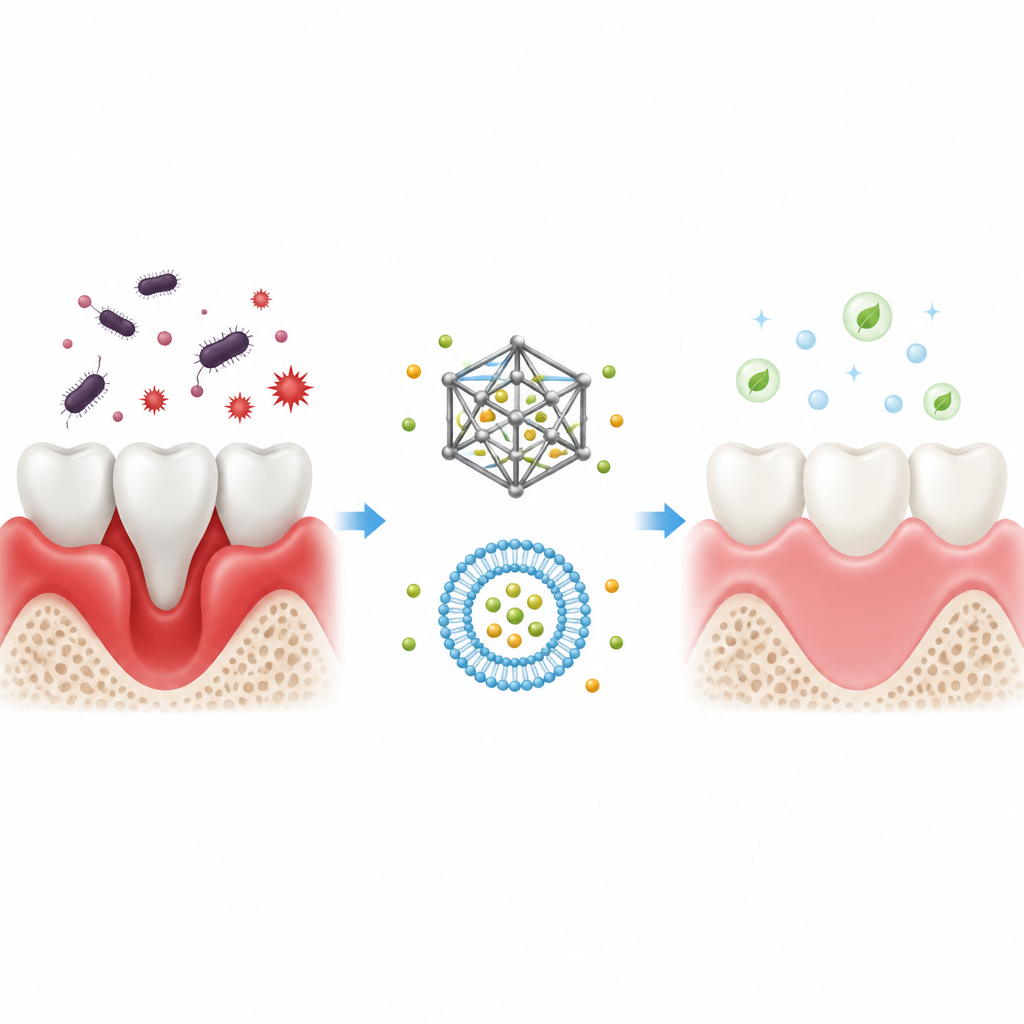
The Hidden Fire in Sore Gums
Periodontitis starts when bacterial plaque builds up around teeth and triggers the body’s defense system. Instead of a short, helpful response, the immune reaction in chronic gum disease becomes long-lasting. Immune cells release chemical messengers that keep the area inflamed, while bursts of reactive molecules, similar to microscopic sparks, damage nearby cells. Over time this mix of inflammation and oxidative stress breaks down the soft tissue and bone that hold teeth in place, raising treatment costs and lowering quality of life.
A Natural Helper from Bitter Orange
The researchers focused on p-synephrine, a natural molecule found in bitter orange that can both quiet inflammatory signals and boost the body’s own antioxidant defenses. Earlier work showed that this compound can dial down key switches inside cells that drive inflammation and can nudge protective enzymes into action. The current study asked whether delivering p-synephrine more smartly to gum cells could make it work better against the kind of irritation seen in periodontitis.
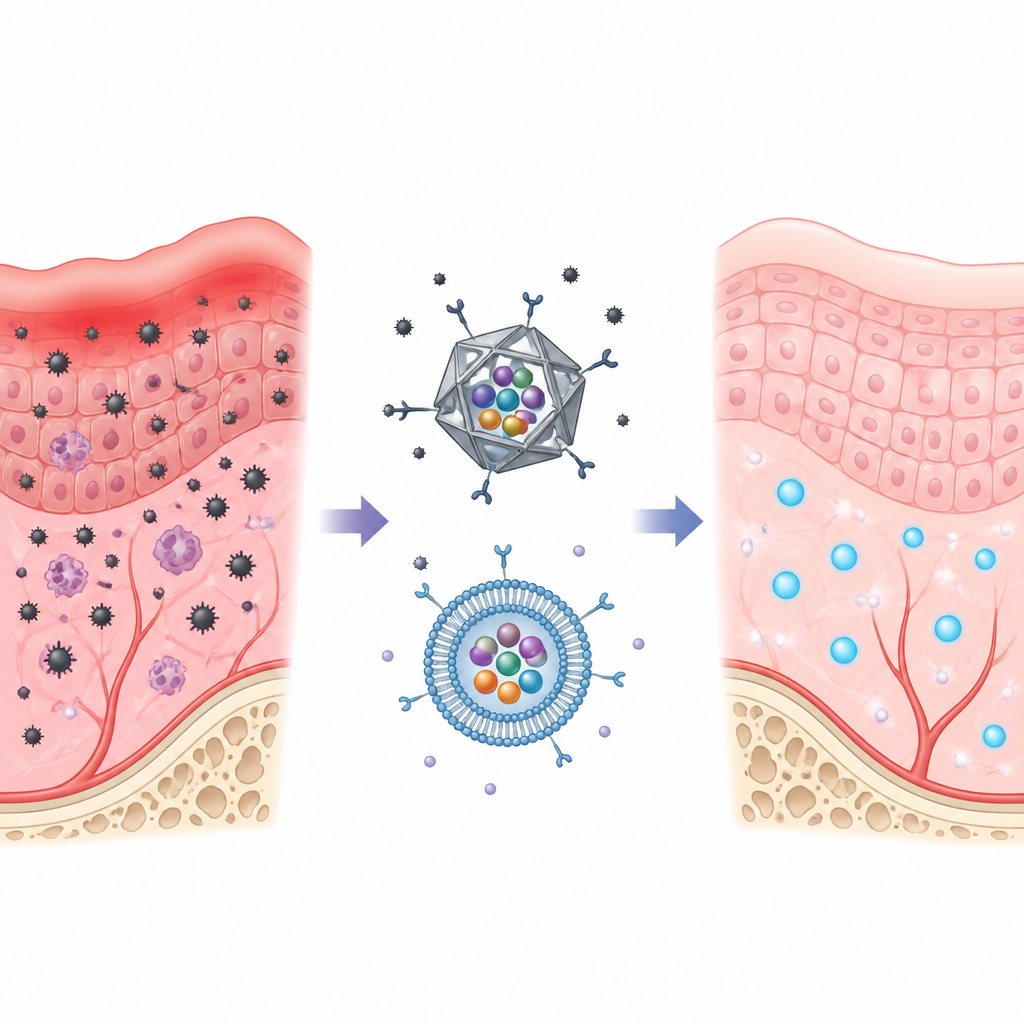
Tiny Carriers Built from Metal and Cells
To deliver p-synephrine, the team tested two very different nanoscale carriers. One was a porous titanium-based framework with a sponge-like structure that can soak up and slowly release drugs. The other was exosomes, naturally occurring fat-based bubbles released by dental pulp stem cells, which are already well adapted to communicate with tissues in the mouth. The scientists loaded p-synephrine into each carrier and then exposed two types of human gum cells to bacterial components that mimic severe gum infection, creating a controlled model of periodontitis in the lab.
Putting the New Treatments to the Test
In this simulated disease setting, the inflamed gum cells produced high levels of inflammatory messengers and showed weakened antioxidant defenses. When treated with free p-synephrine, these signals eased somewhat. Packing the compound into the titanium framework improved its performance further, lowering inflammatory markers and helping restore protective enzymes. However, the most striking results came from exosome delivery. Gum cells treated with p-synephrine-loaded exosomes showed the greatest drop in inflammatory messengers and the strongest rebound in antioxidant activity, along with a clear reduction in activity of internal pathways that sustain inflammation.
What This Could Mean for Future Gum Care
Overall, the work suggests that combining a plant-derived anti-inflammatory compound with carefully chosen nanoscale carriers may offer a more focused way to calm gum inflammation and protect tissue from oxidative damage. In this study, exosomes from dental stem cells proved especially effective at getting p-synephrine into gum cells and turning down harmful signals, while boosting the cells’ own defenses. Although these findings come from lab-grown cells rather than patients, they point toward future local treatments that could support, rather than replace, brushing and professional cleaning to keep gums healthier and teeth more secure.
Citation: Kishta, M.S., Elshaar, A.H., Makled, R.N. et al. Bio inspired assessment of titanium-organic framework and exosome-constructed p-Synephrine carriage: pursuing the PI3K/mTOR pathway in a simulated periodontitis. Sci Rep 16, 16133 (2026). https://doi.org/10.1038/s41598-026-54070-6
Keywords: periodontitis, gum inflammation, nanoparticle drug delivery, exosomes, antioxidant therapy