Clear Sky Science · en
The impact of community-acquired critical sepsis on long-term mortality and morbidity—a nationwide cohort study
Why this illness matters long after the hospital
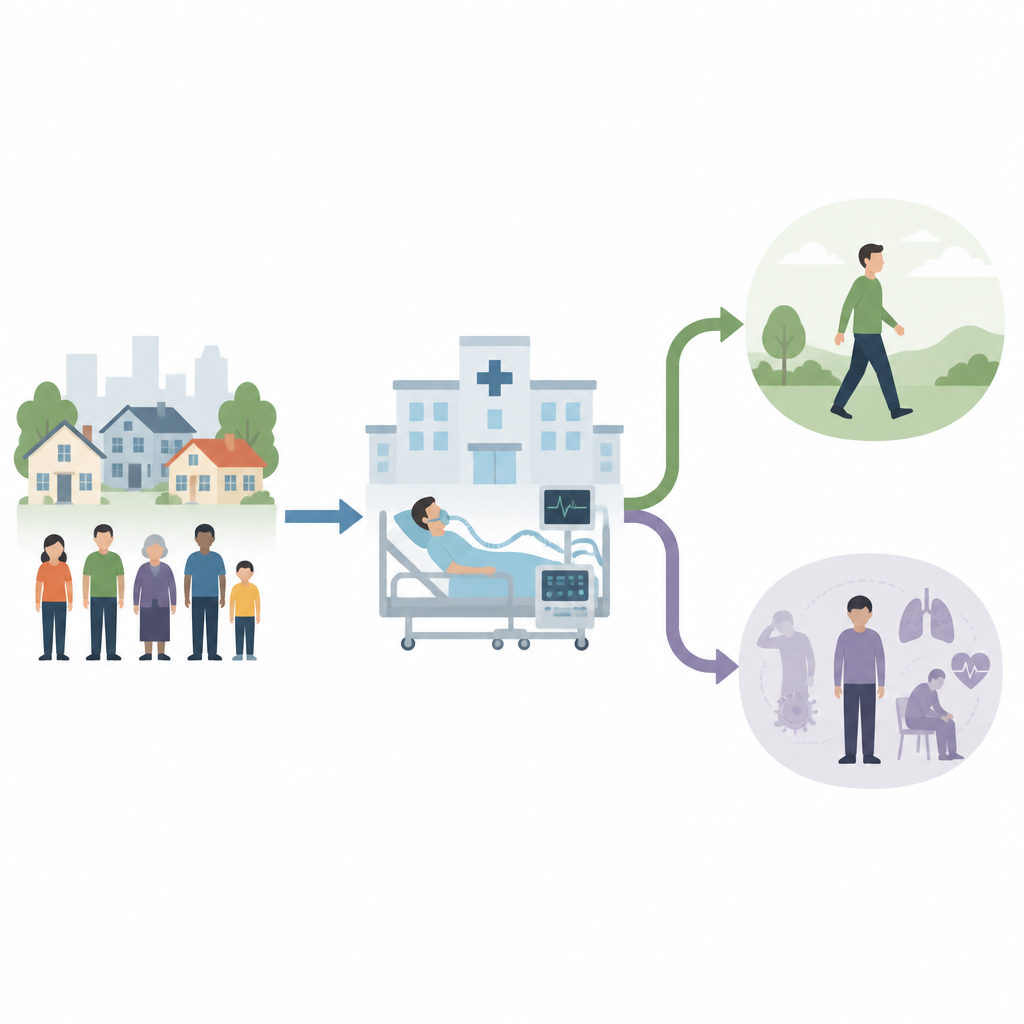
Most people think of sepsis as a sudden crisis: a dangerous reaction to infection that lands someone in intensive care. This study shows that for many patients, the story does not end when they leave the hospital. Using detailed health records from across Sweden, the researchers followed thousands of people who survived a severe, community-acquired form of sepsis requiring intensive care. They discovered that these patients faced rising health problems and a higher chance of dying for years after the initial illness, even when they had seemed relatively healthy before.
Who was studied and how
The team looked at more than 10,000 adults admitted to intensive care units across Sweden over a decade with presumed community-acquired critical sepsis. Each of these patients was matched with five people of the same age, sex, and region who had not been in intensive care for sepsis, giving a comparison group of over 50,000 individuals. By linking national registries, the researchers could track medical diagnoses, income, education, prescriptions, and causes of death for up to three years after the sepsis admission, as well as the five years leading up to it.
Rising health problems before and after sepsis
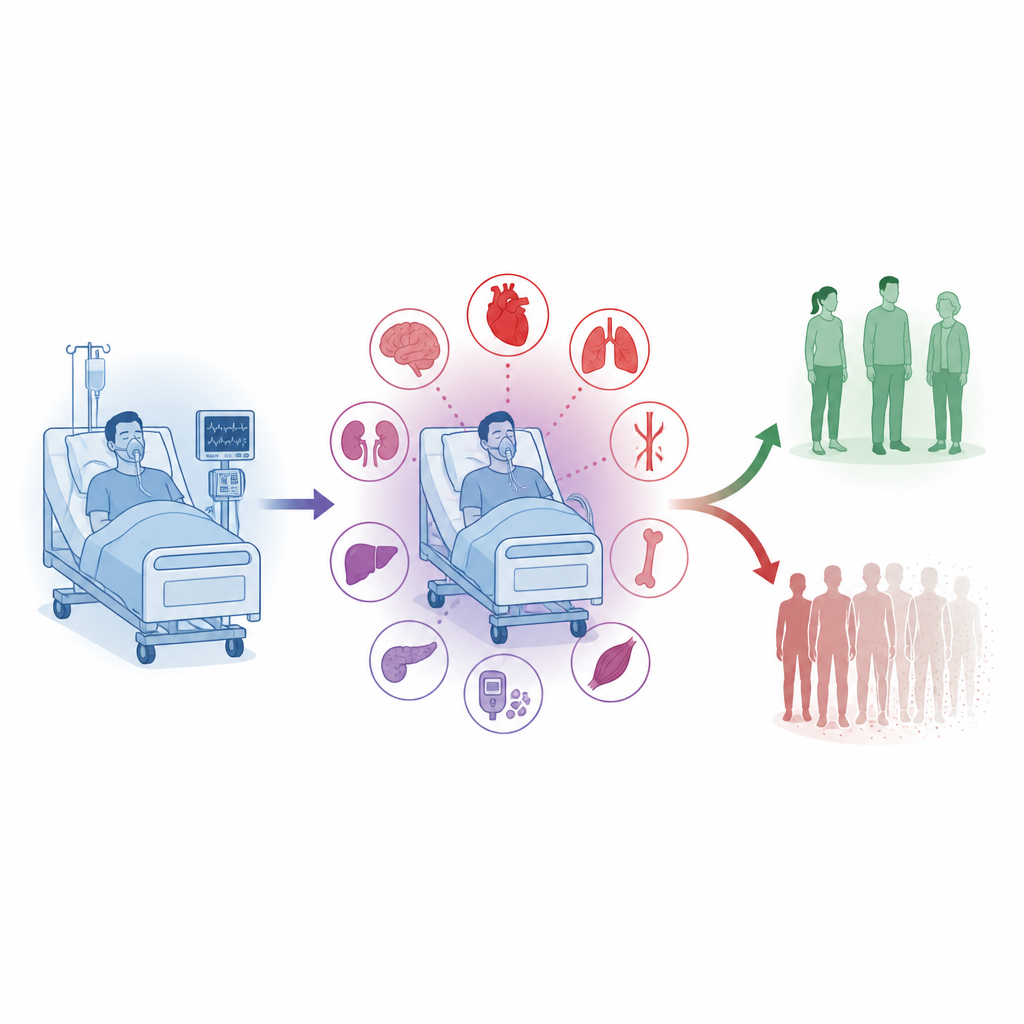
The records revealed that people who went on to develop critical sepsis were already accumulating more long-term illnesses than their peers in the five years before their intensive care stay. These included conditions such as diabetes, heart failure, lung disease, kidney disease, and cancer. That trend steepened in the year just before admission. After leaving intensive care, survivors continued to gather new diagnoses, particularly in the first year. Even patients who had no major recorded illnesses before their sepsis episode developed new chronic conditions at a striking rate once they were discharged.
Sepsis and the risk of death over time
Sepsis patients faced a far higher risk of dying than their matched comparisons. About one third had died within 90 days of admission and more than half were dead within three years, compared with fewer than one in ten in the comparison group. Statistical models that took into account prior illnesses, mental health problems, substance use, income, and education still showed that sepsis itself was linked to excess deaths for up to three years. This pattern was even stronger in patients who had entered intensive care with no major physical illnesses recorded, suggesting that sepsis leaves a lasting mark not fully explained by known diseases.
What people die from after sepsis
The causes of death changed as time passed after the initial illness. In the first three months, infections and cancer were leading causes of death among sepsis patients, along with heart and lung problems. Over the following months and years, cancer and circulatory diseases such as heart attacks and strokes dominated. A similar pattern was seen in the general population, but at much lower levels. Among people who had seemed free of serious long-term illness before their sepsis stay, infection was a particularly common early cause of death, and cancer became the main cause later on, hinting that some cancers may have been present but unnoticed at the time of the sepsis episode.
What this means for patients and families
This nationwide study shows that critical sepsis is not just a short-term emergency but can trigger or uncover long-lasting health problems and raise the risk of death for years afterward. Even survivors who look healthy on paper at the time of admission are not simply returning to their previous health path. The findings point to the need for better follow-up after discharge, with careful monitoring for new chronic diseases and support to manage ongoing health risks. For patients and families, the message is that recovery from sepsis continues long after the hospital stay, and staying engaged with healthcare may improve the chances of a better long-term outcome.
Citation: Lindström, AC., Eriksson, J., Eriksson, M. et al. The impact of community-acquired critical sepsis on long-term mortality and morbidity—a nationwide cohort study. Sci Rep 16, 15705 (2026). https://doi.org/10.1038/s41598-026-53619-9
Keywords: sepsis, intensive care, long term outcomes, chronic disease, mortality risk