Clear Sky Science · en
Combining glycine with thymoquinone offers a promising strategy for diabetes treatment
Why this study matters for people living with diabetes
Insulin dependent diabetes often brings daily worries about blood sugar swings, long term complications, and the cost and side effects of drugs. This study in rats explores whether two common natural substances, one from a well known spice and one simple amino acid found in our bodies, might work together to ease high blood sugar and protect organs damaged by diabetes.
Two simple natural helpers
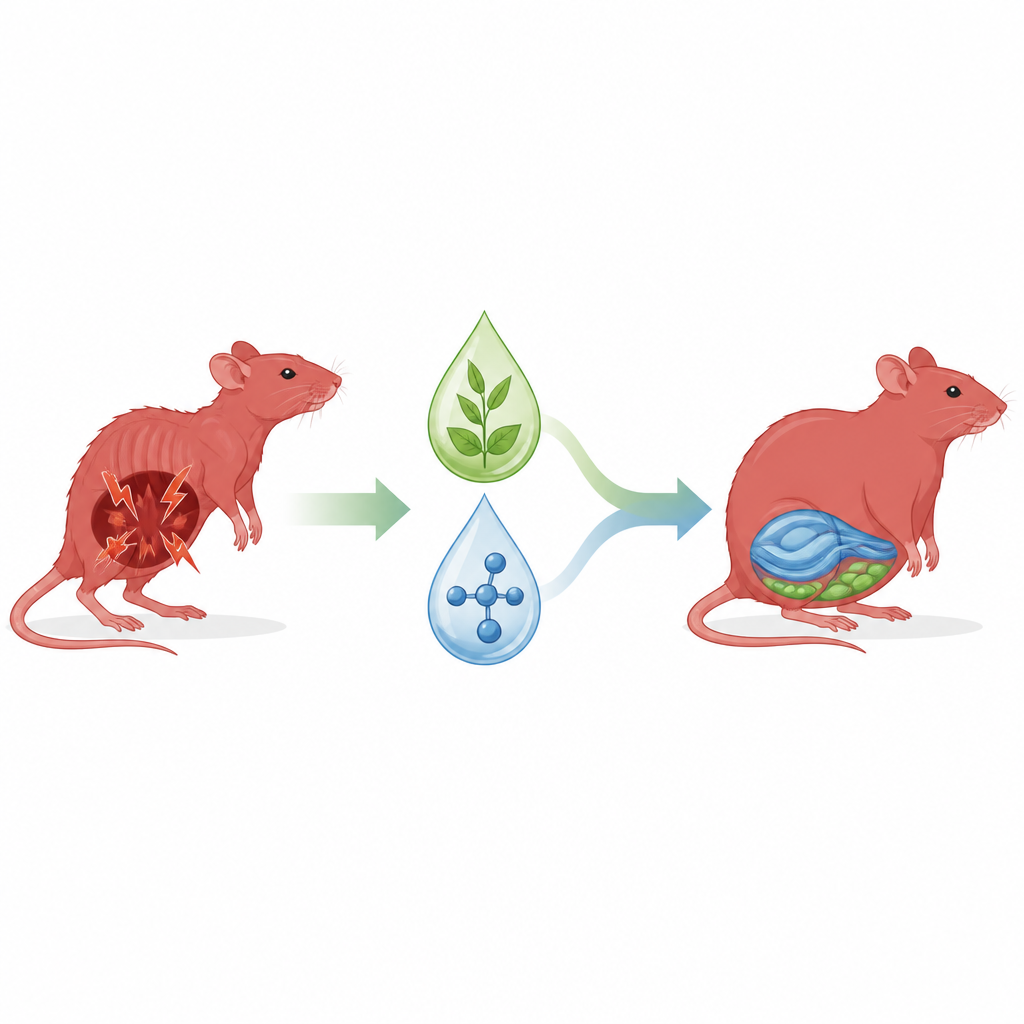
The researchers focused on thymoquinone, a key component of black seed, and glycine, a basic building block of proteins that also supports the immune system and metabolism. Each has already been linked to better blood sugar control, less inflammation, and stronger antioxidant defense. Thymoquinone can help the body handle glucose and calm damaging immune signals, while glycine improves blood flow in tiny vessels, boosts sensitivity to insulin, and lowers harmful inflammatory chemicals. The team wanted to know whether using them together could provide stronger, safer support for diabetes than either one alone.
Testing the combination in a rat model of diabetes
To explore this, the scientists used rats in which a chemical called streptozotocin triggered a form of diabetes with very high blood sugar, signs of insulin resistance, and clear injury to the insulin making cells of the pancreas. The animals were split into five groups: healthy controls, untreated diabetics, diabetics given thymoquinone, diabetics given glycine, and diabetics given both together for three weeks. The team tracked body weight, food and water intake, fasting blood sugar, long term sugar markers, insulin balance, heart and liver blood tests, chemical markers of inflammation and oxidative stress, key enzymes that handle glucose in the liver, and detailed microscope images of the pancreas.
Better blood sugar and calmer chemistry
Untreated diabetic rats ate and drank excessively, lost weight, and showed very high blood sugar and glycated hemoglobin, along with abnormal insulin signals that reflected both damaged insulin making cells and poor response to insulin. Their livers and hearts also showed biochemical strain, while their tissues were bathed in high levels of oxidative damage and inflammatory molecules. Thymoquinone or glycine alone improved most of these problems: they lowered blood sugar, reduced excessive food and water intake, improved insulin sensitivity, boosted antioxidant defenses, and toned down inflammation. The combination, however, did more. It brought fasting blood sugar and glycated hemoglobin close to normal, restored insulin sensitivity markers far better than either treatment alone, improved liver glucose handling enzymes, and reduced harmful stress markers to near healthy levels.
Protecting the pancreas and vital organs
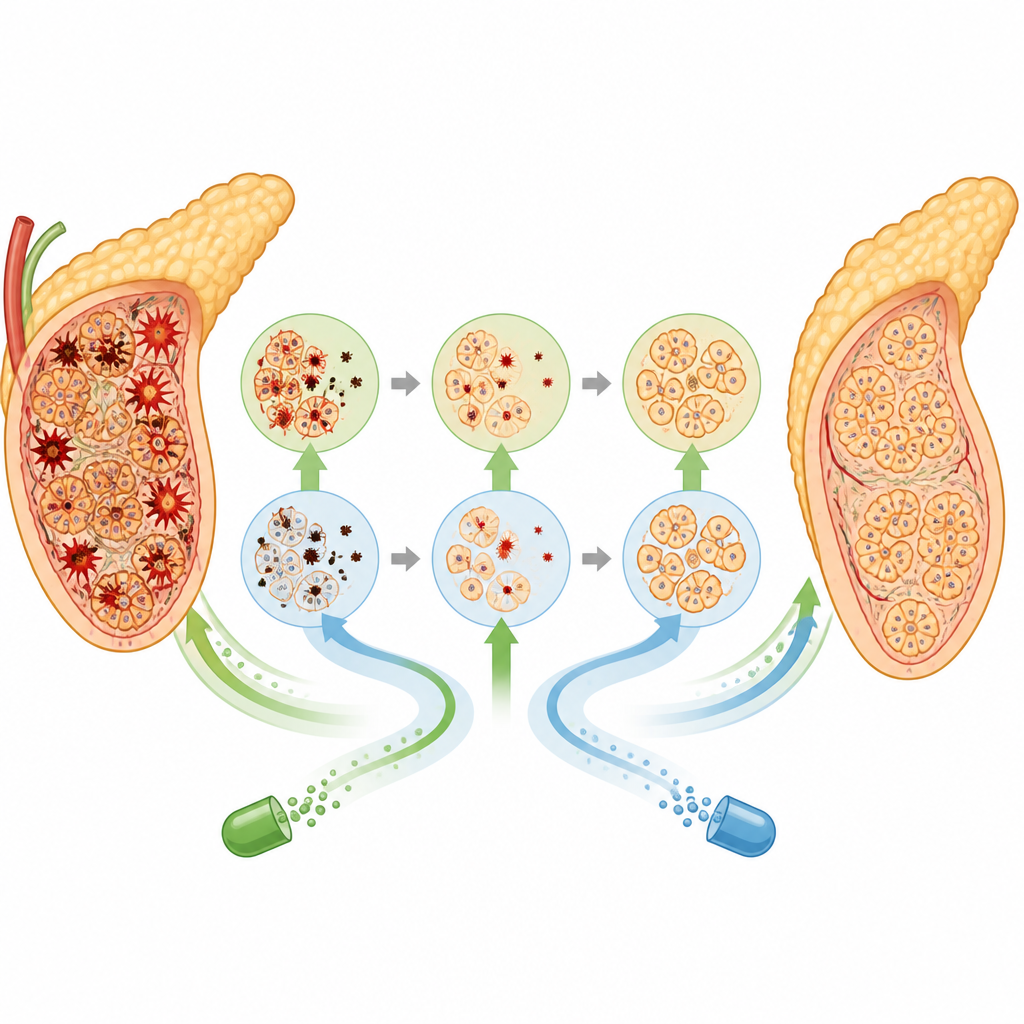
Microscope images of the pancreas told a similar story. In untreated diabetic rats, the insulin producing areas were shrunken and distorted, surrounded by wide bands of damaged tissue, clogged vessels, and heavy inflammatory cell buildup. Giving thymoquinone or glycine separately partially repaired this picture, with fewer inflammatory cells and more regular acini, but lingering signs of injury. When both were given together, the pancreas looked much closer to that of healthy rats, with more normal structure and less visible damage. At the same time, blood tests suggested the combination also shielded the liver and heart from diabetes related injury, likely by cutting oxidative stress and calming inflammatory pathways.
What this could mean for future care
In simple terms, this study suggests that pairing thymoquinone with glycine helped diabetic rats not only lower their blood sugar but also protect their insulin making cells and major organs more effectively than either substance alone. By easing oxidative stress, quieting inflammation, and improving how cells use and store glucose, the combination attacked several roots of diabetes at once in this animal model. While these findings still need careful testing in people, they point to a potential low cost, natural strategy that might one day complement standard insulin based care and help reduce some burdens of living with diabetes.
Citation: Bash, N.N., Saad, E.A., El-Sayed, I.H. et al. Combining glycine with thymoquinone offers a promising strategy for diabetes treatment. Sci Rep 16, 15504 (2026). https://doi.org/10.1038/s41598-026-52735-w
Keywords: diabetes, thymoquinone, glycine, insulin sensitivity, oxidative stress