Clear Sky Science · en
Characterisation of Kothea flammea gen. nov., sp. nov., a planctomycete of the family Pirellulaceae isolated from Fjord Schlei in the Baltic Sea
A hidden world in a drop of water
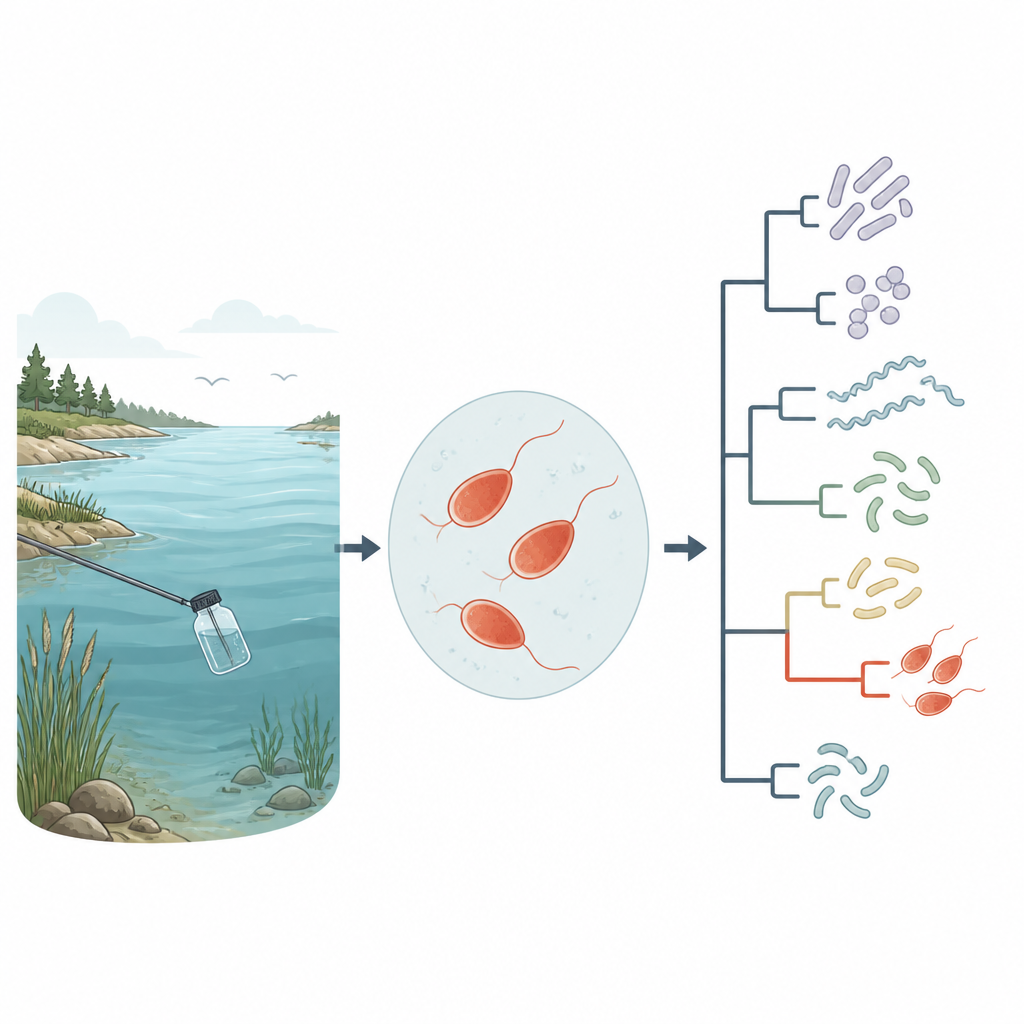
Most of the bacteria on our planet have never been grown in a lab, which means we know almost nothing about them. Yet these unseen microbes help shape ecosystems, recycle nutrients, and may even produce useful new chemicals. In this study, researchers bring one of these mysterious organisms into the light by carefully reviving and describing a single unusual bacterium from brackish water in a Baltic Sea fjord.
A bright new face among sea microbes
The team worked with a frozen collection of samples gathered from Fjord Schlei in northern Germany decades ago. From this collection they reawakened a slow-growing microbe with striking flame-colored, reddish to orange colonies. Under the microscope, its cells are small and pear-shaped, dividing by a process in which a tiny daughter cell buds off from one end of the larger mother cell. The bacterium thrives at room-like temperatures in slightly salty, close-to-neutral water, matching the mild conditions of its coastal home.
Placing the newcomer on the tree of life
To find out where this organism fits in the bacterial world, the scientists read its entire DNA sequence and compared key genetic markers to those of known relatives. It belongs to a little-known group called Planctomycetota, and more specifically to the family Pirellulaceae, whose members are already famous for unusual cell biology. Measurements of multiple markers, such as similarity of a standard ribosomal gene and the overall resemblance of thousands of proteins, showed that this strain is related to two known genera but clearly distinct from them. The genetic distances were large enough that it could not simply be placed inside an existing group.
What its genes reveal about its lifestyle
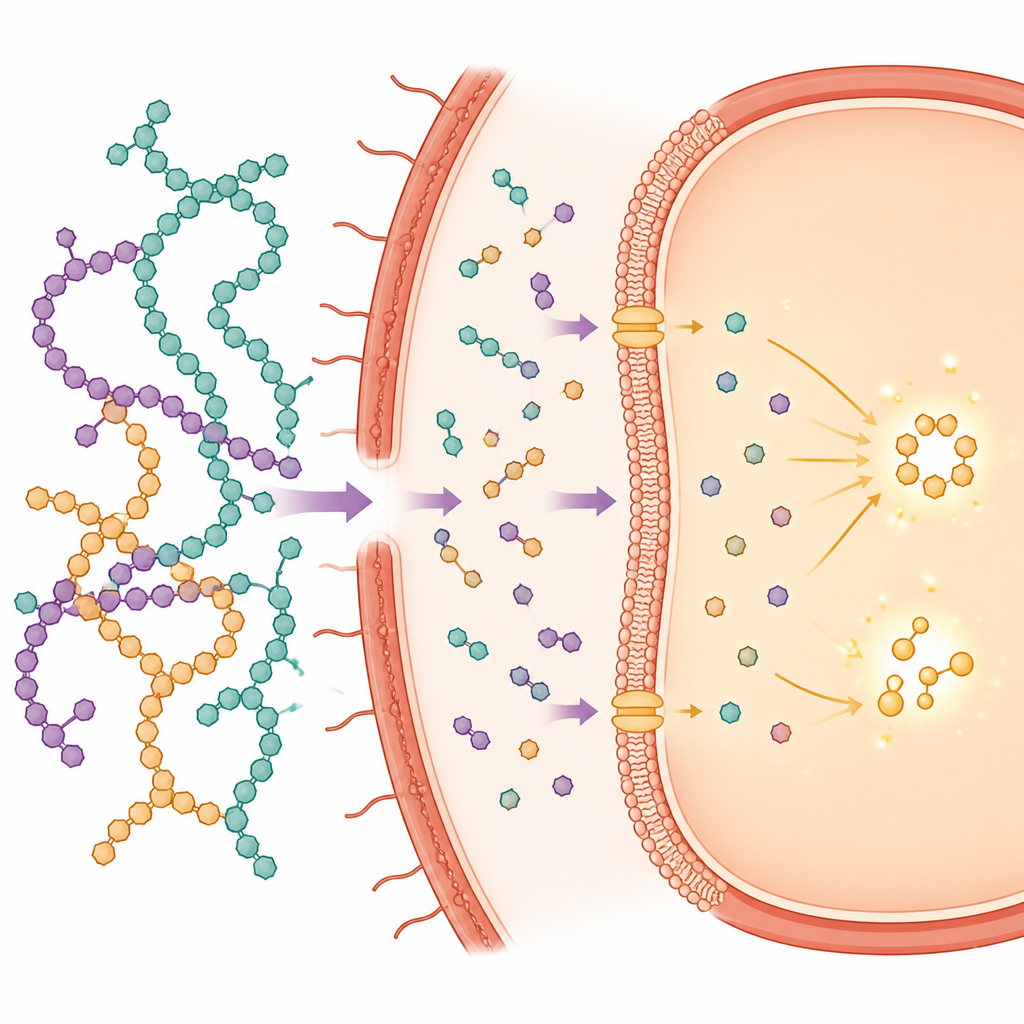
The genome of the new strain is relatively large and information-rich. It encodes many enzymes that can chop up complex carbohydrates into smaller sugars, hinting that the bacterium helps break down tough plant or algal material in its environment. The DNA also holds several clusters of genes that may direct the production of unusual small molecules, including terpenoids and other compounds often linked to antimicrobial or signaling roles in other microbes. In addition, the genome carries genes that may help the cells tolerate certain heavy metals, suggesting they could cope with polluted or variable coastal habitats.
Comparing cousins to understand differences
By building a combined “pangenome” from the new bacterium and its closest known relatives, the researchers could see which genes are shared and which are unique. All five compared species share a common core set of genes, but each also carries hundreds of genes found in no other strain. The new isolate shares more accessory genes with one uncultivated relative than with the three described Roseimaritima species, underscoring its closer kinship to that uncultured form. Yet it differs in features such as genome size, pigmentation, preferred growth conditions, and especially its budding pattern, where new cells emerge from the pole rather than from the side.
A new name for a fiery microbe
Putting together the genetic, physiological, and microscopic evidence, the authors conclude that this strain represents both a new genus and a new species within its family. They name the genus Kothea, in honor of microbiologist Erika Kothe, and the species flammea, referring to its flame-like color. In everyday terms, the work shows that even a single droplet of coastal water can conceal unique forms of life with unusual cell structures and rich chemical potential, adding another branch to the vast and still largely uncharted bacterial tree of life.
Citation: Kumar, G., Kallscheuer, N., Appiah, D. et al. Characterisation of Kothea flammea gen. nov., sp. nov., a planctomycete of the family Pirellulaceae isolated from Fjord Schlei in the Baltic Sea. Sci Rep 16, 15751 (2026). https://doi.org/10.1038/s41598-026-52476-w
Keywords: Planctomycetota, marine bacteria, bacterial diversity, genome analysis, Baltic Sea microbiology