Clear Sky Science · en
High-resolution metagenomic characterization of gut microbiota composition and functional pathways in irritable bowel syndrome
Why your gut bugs matter for belly pain
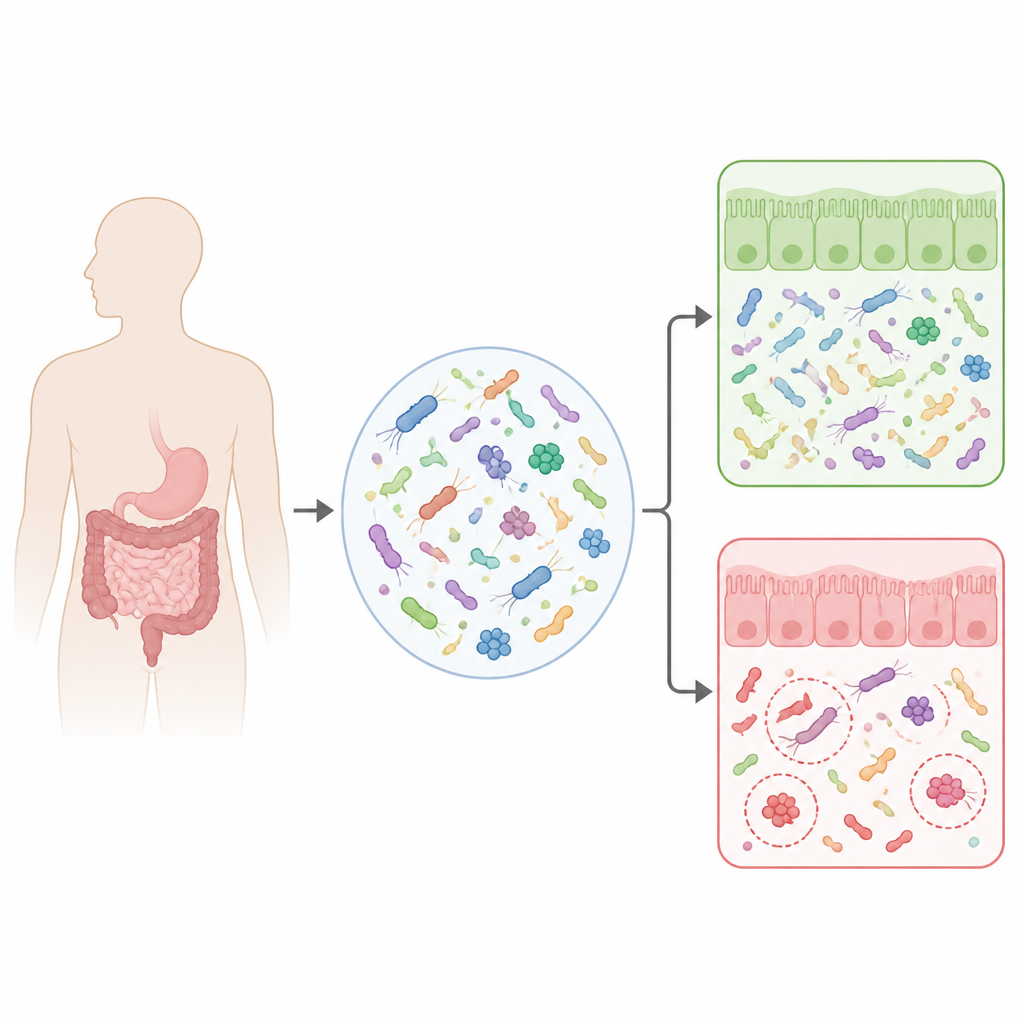
Irritable bowel syndrome is a common cause of long-lasting belly pain, bloating, and irregular trips to the bathroom. Many people with this condition also struggle with fatigue, anxiety, or low mood. Scientists have begun to suspect that the vast community of microbes living in our intestines may play a role, not only in digestion but also in how the gut and brain talk to each other. This study takes a close look at those gut bugs in women with irritable bowel syndrome and compares them to those in women without gut problems, asking whether certain microbes or their activities might help explain symptoms.
Who was studied and how
The researchers focused on 63 women with moderate to severe irritable bowel syndrome and 34 healthy women of similar age. All participants lived in Sweden and met strict criteria to rule out other gut diseases, serious mental illness, and recent factors that might disturb the gut, such as regular use of certain painkillers. Instead of using an older technique that only reads a small marker gene from bacteria, the team used whole metagenome shotgun sequencing. This method reads many pieces of all the DNA present in stool samples, allowing a finer look at which microbes are there and what they are capable of doing.
Small shifts in the crowds of gut microbes
When the team counted how many different types of microbes lived in each gut, they found only a slight drop in richness in women with irritable bowel syndrome compared to healthy controls. Measures of overall diversity and balance were not clearly different, and the two groups could not be neatly separated based on their microbial profiles alone. Still, some patterns stood out. A group of microbes called archaea, especially methane-producing Methanobrevibacter, tended to be less common in the irritable bowel group, while certain bacteria, including Streptococcus and Desulfovibrio piger, were more frequent. Classic “friendly” gut genera such as Bifidobacterium were reduced, but the overall picture was one of modest shifts rather than a dramatic overhaul.
What the microbes are doing inside the gut
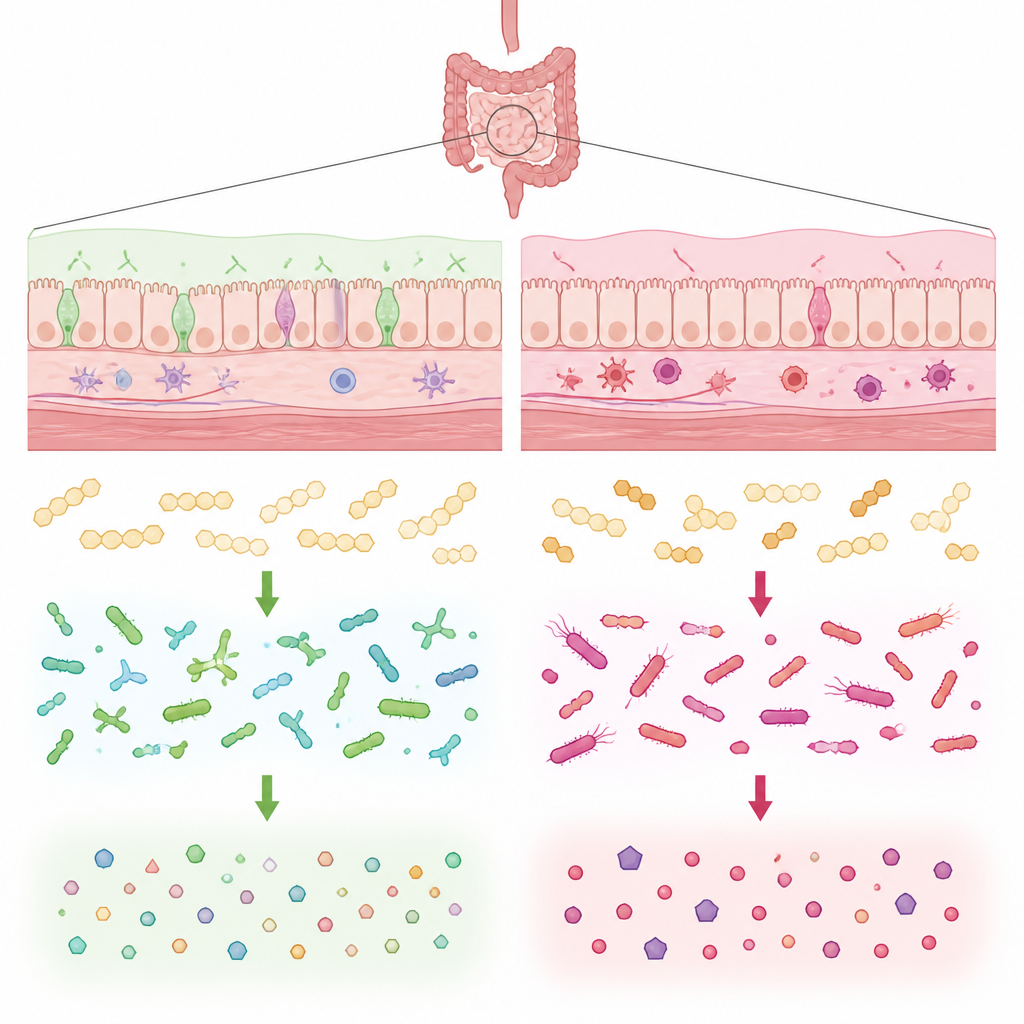
Beyond who is present, the study asked what these microbes might be doing. By linking DNA fragments to known metabolic pathways, the researchers mapped out 39 gut functions that differed between the two groups. In women with irritable bowel syndrome, pathways involved in making specific amino acids, such as L-isoleucine and L-threonine, were more active. In healthy women, pathways for breaking down certain carbohydrates, including galactose and plant sugars like stachyose, were more common. Many of these functions were shared across several species rather than being driven by a single “bad actor,” suggesting that symptoms may arise from community-wide changes in metabolism.
Possible links to symptoms and the gut brain connection
Some of the microbes that were more common in the irritable bowel group are known to produce lactic acid or gas and may affect how food is fermented in the colon. The sulfur-loving bacterium Desulfovibrio piger, for example, can generate sulfide, which in high amounts may irritate the gut lining and alter bowel regularity. The study also notes that certain strains of Streptococcus can make GABA, a chemical messenger involved in nerve signaling, hinting at ways gut microbes could influence the gut brain axis, although this link remains unproven in people. Overall, the work supports the idea that many small changes in microbe communities and their chemical products, rather than one clear-cut infection, may contribute to pain, bloating, and irregular bowel habits.
What this means for people living with IBS
For someone living with irritable bowel syndrome, these findings suggest that the condition is tied to subtle changes in both which microbes live in the gut and what they do with the food we eat. There is no single “IBS germ,” and the differences between individuals are large, which helps explain why no simple stool test or universal probiotic fix exists yet. Instead, the study points toward a complex, shared landscape of slightly altered metabolism and microbe balance. The authors argue that larger, more detailed studies that combine gut DNA, microbe-made chemicals, diet, and brain measures will be needed to turn these clues into personalized treatments and clearer markers that can guide care.
Citation: Ranasinghe, P.D., Barazanji, N., Bednarska, O. et al. High-resolution metagenomic characterization of gut microbiota composition and functional pathways in irritable bowel syndrome. Sci Rep 16, 15742 (2026). https://doi.org/10.1038/s41598-026-52163-w
Keywords: irritable bowel syndrome, gut microbiome, metagenomics, gut brain axis, microbial metabolism