Clear Sky Science · en
Postoperative radiotherapy versus postoperative radiochemotherapy after surgery of salivary gland cancer: a systematic review and meta-analysis
Why this matters for people with rare cancers
Salivary gland cancers are rare tumors that arise near the jaw and under the tongue, making them easy to overlook in research focused on more common head and neck cancers. Yet for the people who develop them, treatment choices after surgery can shape both how long they live and how they feel. This study asks a straightforward but pressing question: after an operation to remove salivary gland cancer, does adding chemotherapy to radiotherapy help people live longer, or does it mainly add side effects?
Two different paths after surgery
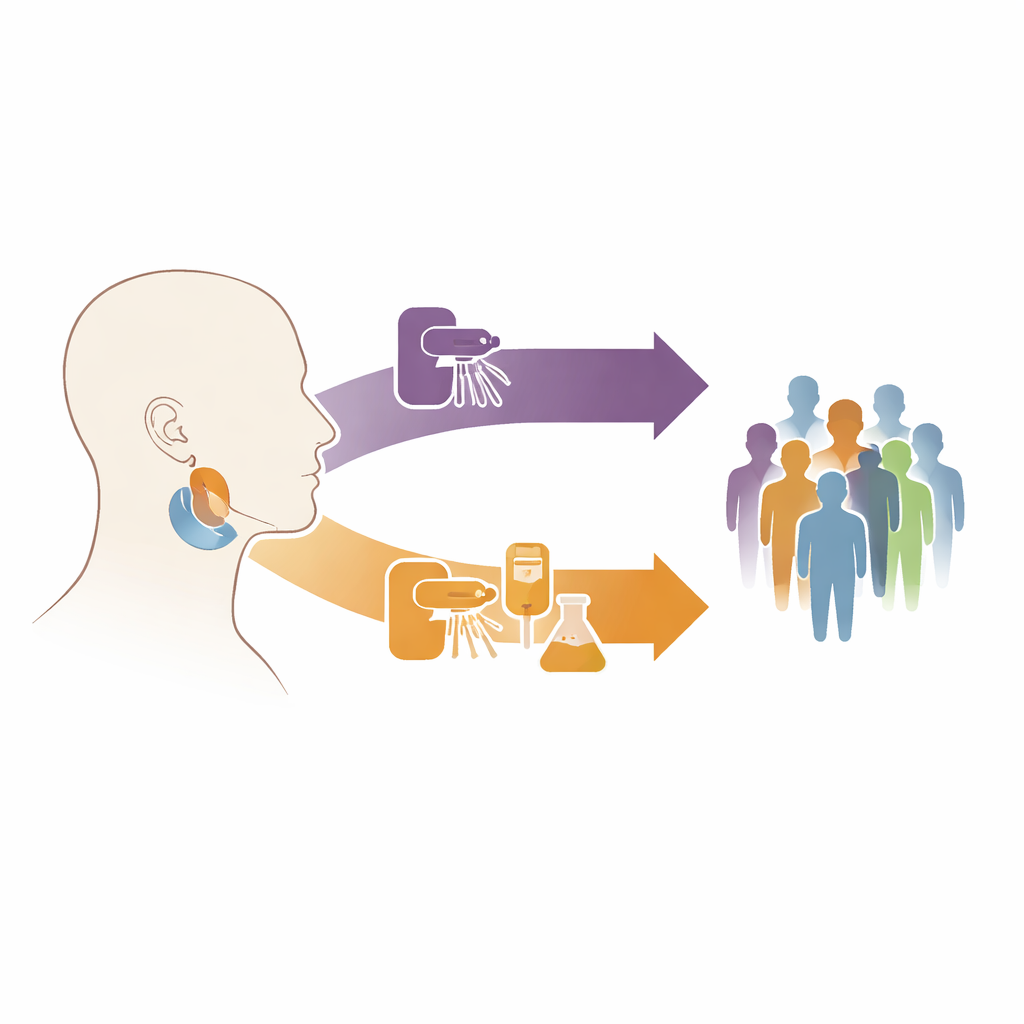
Once a salivary gland tumor has been surgically removed, many patients receive radiation to the area in hopes of destroying any remaining cancer cells. Some doctors also recommend giving chemotherapy at the same time as radiation, a more intensive approach borrowed from the treatment of common throat and voice box cancers. In those more common cancers, combining chemotherapy with radiation can reduce the chance of the cancer returning. For salivary gland cancer, however, clear evidence has been missing because these tumors are uncommon and come in many different types.
Bringing together data from around the world
To shed light on the question, the authors systematically searched major medical databases for studies that followed adults with salivary gland cancer after surgery. They only included research where patients received either radiation alone or radiation plus chemotherapy, and where survival over time could be compared between the two groups. In total, they found 11 eligible studies, all looking back at medical records rather than testing treatments in randomized trials. Together, these studies covered 26,612 patients treated in various countries and cancer centers over several years.
What the numbers say about survival
The team used standard statistical tools for combining results from many studies, a process called meta-analysis. Each study contributed an estimate of how the risk of death differed between the two treatment paths, expressed as a hazard ratio. When these were pooled, there was no meaningful difference in overall survival between patients who had radiation alone and those who had radiation with chemotherapy. Whether the authors used a simpler “common effect” model or a more flexible “random effects” model that allows for differences between studies, the conclusion stayed the same: adding chemotherapy did not clearly help people live longer on average.

Side effects and hidden imbalances
Looking beyond survival, only four of the eleven studies reported treatment side effects in any detail, and even those did so in inconsistent ways. Where information was available, patients who received chemotherapy alongside radiation tended to experience more problems such as nausea, vomiting, blood count changes, dehydration, infections, and wound issues. At the same time, the people chosen for combined treatment often had more advanced tumors, especially very large or invasive cancers known as T4 tumors. This imbalance makes interpretation tricky: worse outcomes in the combined group could reflect more aggressive disease rather than the treatment itself, while any hidden benefit of chemotherapy for the highest-risk patients could be masked.
What this means for future care
For now, this analysis suggests that radiation alone remains a solid standard after surgery for most people with salivary gland cancer, and that routinely adding chemotherapy does not clearly extend life. The findings do not rule out the possibility that some very high-risk patients might benefit from the more intensive approach, but the existing studies are too mixed and limited to identify who those patients are. Large, carefully designed prospective trials—such as an ongoing international study comparing radiation alone with radiation plus a widely used chemotherapy drug—will be crucial to answer this question. In parallel, researchers are exploring newer, more targeted treatments and immune-based drugs that may one day offer safer and more effective options than traditional chemotherapy for this rare and challenging group of cancers.
Citation: Wilhelmy, A., Schlattmann, P. & Guntinas-Lichius, O. Postoperative radiotherapy versus postoperative radiochemotherapy after surgery of salivary gland cancer: a systematic review and meta-analysis. Sci Rep 16, 14426 (2026). https://doi.org/10.1038/s41598-026-52018-4
Keywords: salivary gland cancer, postoperative radiotherapy, chemoradiotherapy, overall survival, treatment toxicity