Clear Sky Science · en
A novel factorial design implemented spectrofluorimetric determination of caffeic acid: individual and combined assays with curcumin
Why this study matters to everyday health
Caffeic acid and curcumin are natural substances found in everyday foods and spices, from coffee and tea to turmeric. They are widely studied for their potential roles in supporting heart health, reducing inflammation, and helping in cancer research. To explore these benefits and ensure product quality, scientists need reliable ways to measure how much of these compounds are present in foods, supplements, and biological samples. This study introduces two sensitive and environmentally friendly light-based tests that can do just that, offering simpler and greener alternatives to more complex laboratory methods.
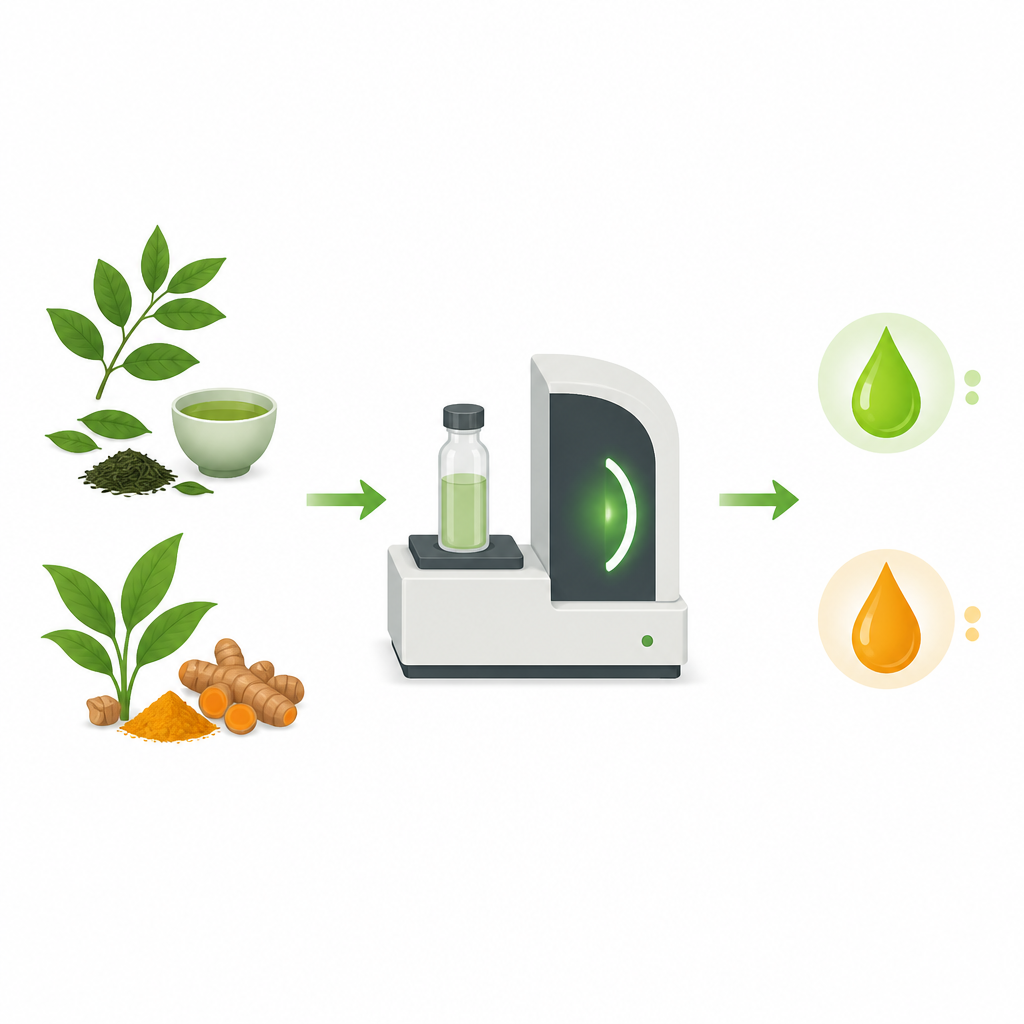
Natural helpers from tea and turmeric
Caffeic acid is a plant-based molecule present in many fruits, vegetables, and drinks such as coffee, wine, and tea. Curcumin is the bright yellow component of turmeric, a spice commonly used in cooking and traditional medicine. Both belong to a family of substances known for their antioxidant and anti-inflammatory behavior, which means they can help neutralize harmful reactive molecules and calm down harmful inflammation. Because of these properties, caffeic acid and curcumin are being explored as partners in combination strategies against conditions like cancer and other long-term diseases.
Measuring tiny amounts using light
The researchers took advantage of the fact that both caffeic acid and curcumin naturally glow, or fluoresce, when exposed to certain wavelengths of light. They built two related tests based on this glow. The first test focuses on caffeic acid alone, measuring its natural fluorescence under carefully chosen conditions to get the strongest and most reliable signal. The second test records the glow of both compounds at the same time by scanning their light responses in a coordinated way, allowing the scientists to separate their signals even though their light patterns overlap. In both cases, the tests can detect extremely small amounts, in the nanogram per milliliter range, which is important for real-world samples.
Designing the test the smart way
Instead of changing one setting at a time, the team used a structured statistical approach called factorial design to quickly find the best experimental conditions for the caffeic acid test. They examined factors such as the type and amount of buffer solution and the acidity level, and let software analyze how these factors worked together. This approach revealed that a mildly alkaline environment and a particular buffer mixed with a water–ethanol solution produced the strongest and most stable signal. For the combined test with curcumin, they determined the optimal spacing between light wavelengths and found that simple ethanol, without extra adjustment of acidity or added surfactants, gave sharp, well separated peaks for both compounds.
Real samples and green chemistry
To show these tests are truly practical, the scientists applied them to several real-life situations. They measured caffeic acid in commercial green tea, finding amounts that matched previously reported values, and used standard addition experiments to confirm that other tea components did not interfere. They also spiked human plasma samples with known amounts of caffeic acid and curcumin and successfully recovered those amounts with high accuracy and precision, demonstrating that the methods can work with complex biological fluids. Beyond performance, the team assessed how environmentally friendly the methods are, using modern scoring tools that evaluate solvent safety, waste, energy use, and overall practicality.
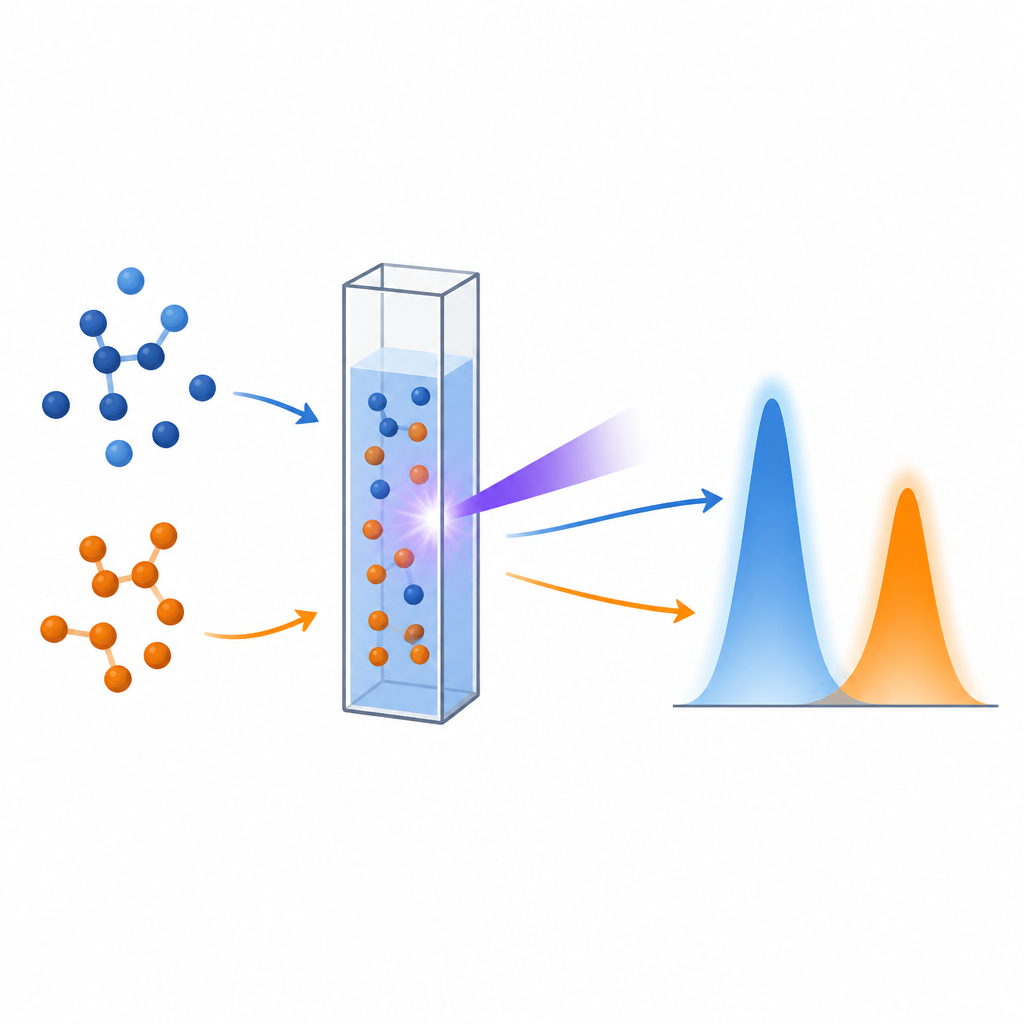
What the findings mean for readers
In everyday terms, this work delivers two careful yet simple laboratory tools for tracking key plant-based compounds that many people already consume through diet or supplements. The tests are accurate enough for research and routine quality control, but they avoid heavy solvent use and complex equipment that can be costly and less environmentally friendly. For consumers and health researchers alike, this means there are now greener and more efficient ways to check how much caffeic acid and curcumin are present in teas, supplement pills, and experimental samples, supporting safer products and clearer scientific studies on their potential health effects.
Citation: Abd-AlGhafar, W.N., Elmansi, H., Elsbaey, M. et al. A novel factorial design implemented spectrofluorimetric determination of caffeic acid: individual and combined assays with curcumin. Sci Rep 16, 15717 (2026). https://doi.org/10.1038/s41598-026-52002-y
Keywords: caffeic acid, curcumin, spectrofluorimetry, green analytical chemistry, tea polyphenols