Clear Sky Science · en
Element leaching from green liquor dregs from 16 Swedish pulp and paper mills between 2017 and 2019
Turning Two Waste Problems into One Solution
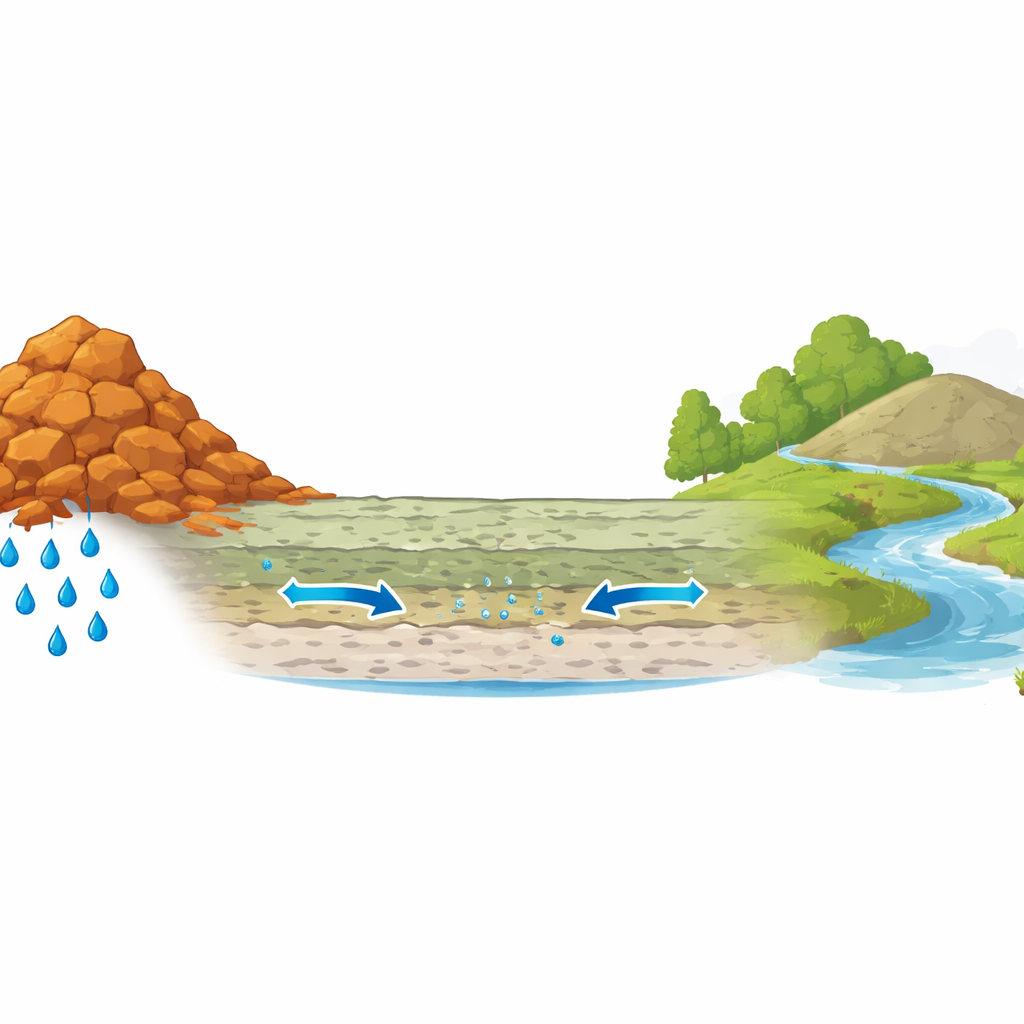
Across Sweden and around the world, thousands of old metal mines quietly leak acidic, metal-rich water into nearby streams and soils. Cleaning up these scattered sites is costly and complex, especially when they are historic landmarks where the landscape cannot be reshaped. At the same time, pulp and paper mills generate large volumes of green liquor dregs, a chalky residue that is usually dumped in landfills. This study explores whether that industrial by‑product could safely be reused to tame acidic mine drainage, turning a waste into a tool for environmental repair.
What This Unlikely Material Is
Green liquor dregs are produced when pulp mills recover their cooking chemicals. Wood chips are boiled in strong alkaline solutions to separate fibers, and the used liquid is then burned and processed to recycle the chemicals. Along the way, a sludge-like residue forms that contains leftover lime, sodium compounds and traces of metals. It is strongly alkaline, can buffer acid, and tends to stick to other particles when mixed in. Because nearly all of it is landfilled today, finding a safe reuse pathway could both cut disposal costs and lower the environmental footprint of the pulp and paper industry.
How the Researchers Put It to the Test
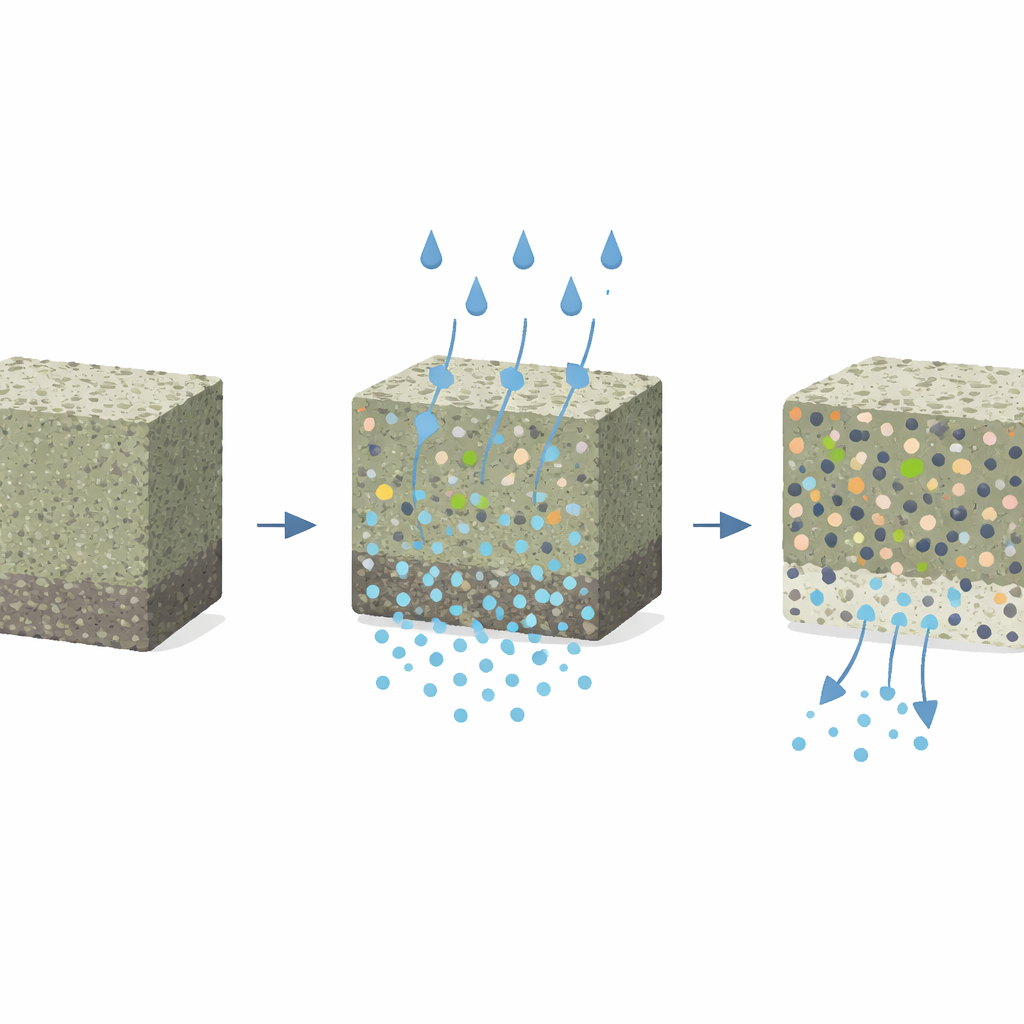
To see how this material behaves in practice, the authors collected 71 samples of green liquor dregs from 16 Swedish mills over a two-year period. Instead of studying just one or two samples, they deliberately captured a wide range of mills, seasons and processing conditions. In the lab, they shook the wet material with pure water in two steps, roughly simulating several rounds of rainwater passing through. They then measured how much of a long list of elements ended up in the water, including common components like sodium and calcium as well as potentially harmful trace metals such as lead, cadmium, chromium and zinc. Computer models were used to infer which solid minerals inside the dregs were controlling what dissolved into the water.
What Leaches Out and What Stays Put
The tests revealed a split personality. Salty components such as sodium, potassium and rubidium were easily washed out, with more than two-thirds of their total content moving into the water under test conditions. These came mainly from simple, highly soluble salts remaining from the pulp mill chemicals, and they are responsible for the strong alkalinity in the first flush of water. By contrast, calcium, magnesium, iron and many metals of concern—such as zinc, lead, nickel and copper—barely budged. Their concentrations in the water were low, often well under 1 percent of the total amounts present in the solid. The modeling pointed to minerals such as calcite (a common form of limestone), various metal hydroxides and oxides as the main “locks” holding these elements in place and controlling their slow release.
Safety with Respect to Polluting Metals
Because green liquor dregs can contain notable amounts of trace metals, regulators need to know whether using them at mine sites might worsen water quality. The study compared the leached amounts with Swedish legal thresholds for materials placed in landfills. For nearly all samples, the water coming off the dregs stayed below those limits for key elements like arsenic, barium, cadmium, lead and zinc; only a few unusual samples exceeded limits for chromium, copper, molybdenum or nickel. Importantly, these lab tests were designed to be pessimistic: they used pure water and generous contact times to encourage leaching. In real mine settings, where the dregs are mixed into acidic waste and conditions evolve over time, the authors expect release rates for most metals to be even lower.
Why This Matters for Old Mines
When strongly alkaline dregs are brought into contact with acidic mine waste, they can neutralize the acid, slow mineral breakdown and encourage metals to stick to solids instead of staying in solution. This study shows that, on average, green liquor dregs themselves release only modest amounts of problematic metals, while providing both a quick pH boost from soluble salts and a long‑term buffering effect from slowly dissolving carbonate minerals. That combination suggests they could be safely injected or co‑disposed with sulfidic mine waste to reduce the impact of acid drainage. If further field tests confirm these findings, countries with both pulp mills and abandoned mines could address two environmental burdens at once—reducing landfill needs for mill waste while improving water quality around historic mining sites.
Citation: Stahre, N., Sartz, L. & Bäckström, M. Element leaching from green liquor dregs from 16 Swedish pulp and paper mills between 2017 and 2019. Sci Rep 16, 14683 (2026). https://doi.org/10.1038/s41598-026-51421-1
Keywords: green liquor dregs, acid mine drainage, mine waste remediation, industrial by-product reuse, metal leaching