Clear Sky Science · en
Ameliorative effects of Spirulina platensis niosome and Echinacea purpura on cyclophosphamide-induced splenic, cardiac and neurotoxicity via modulating NF-κB pathway and oxidative stress
Why this matters for people on cancer treatment
Cancer drugs can save lives, but they often come with harsh side effects that damage healthy organs, including the heart, brain, and immune system. This study explores whether two natural products, Spirulina and Echinacea, especially when packaged in tiny fat-like bubbles called niosomes, can help protect the body from some of the harm caused by a common chemotherapy drug, cyclophosphamide.
A common drug with hidden costs
Cyclophosphamide is widely used to treat cancers and to calm an overactive immune system. While effective, it can injure fast-growing blood cells and slower-growing tissues such as heart and brain. Patients may face anemia, weakened immunity, heart problems, and nerve-related symptoms. Scientists know that much of this damage is linked to runaway inflammation and oxidative stress, a chemical storm inside cells that harms fats, proteins, and DNA. Finding safe ways to dial down this storm without reducing the drug’s benefits is a major goal in supportive cancer care.
Natural helpers from algae and a garden flower
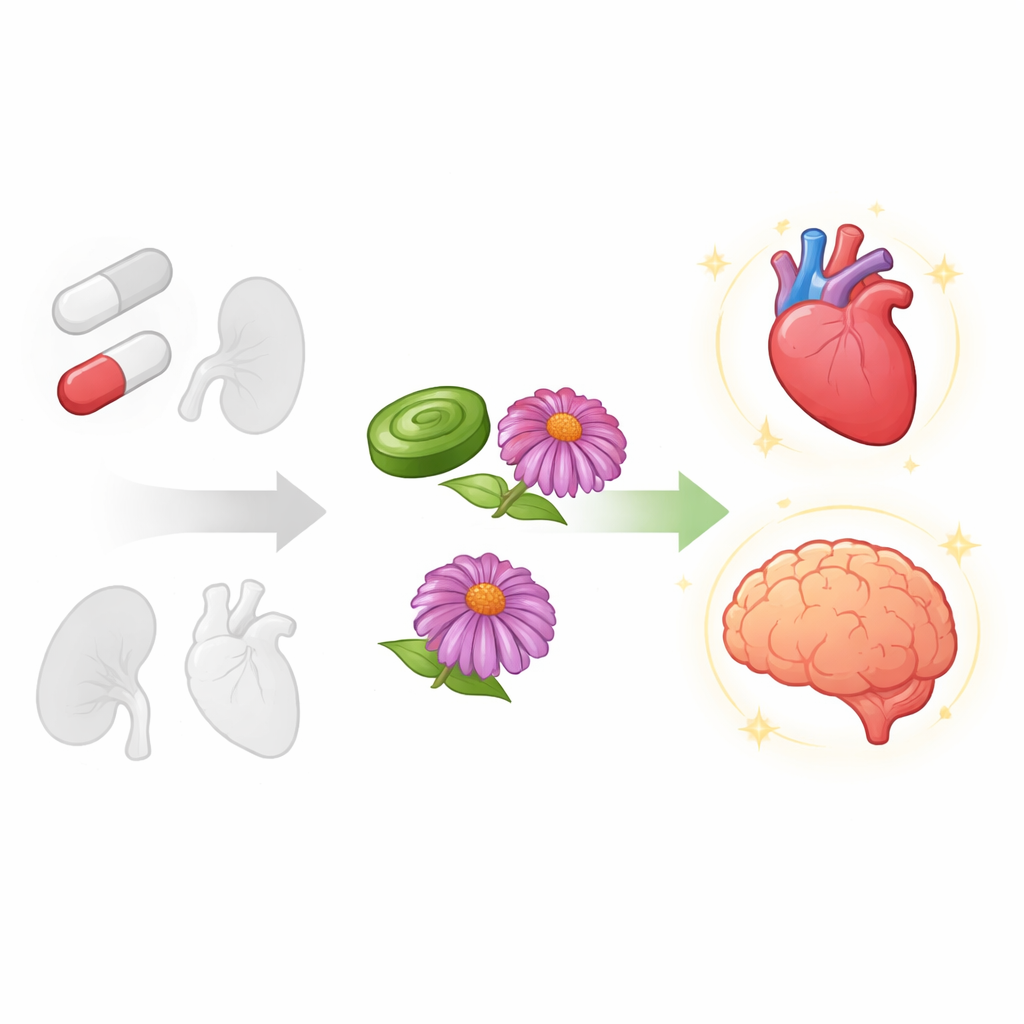
Spirulina, a nutrient-rich blue-green microalga, has long been promoted as a health supplement. It is packed with proteins, vitamins, and antioxidant pigments that mop up harmful molecules. Echinacea, a well-known herbal remedy from the purple coneflower, is used for immune support and has anti-inflammatory properties. In this study, researchers tested Spirulina in its usual powdered form and in a refined version wrapped inside niosomes, which are tiny vesicles designed to improve stability and delivery. Echinacea extract was given alone or combined with both forms of Spirulina to see whether these combinations could better shield tissues from cyclophosphamide injury.
How the study was done in animals
Forty two male rats were divided into seven groups. One group served as a healthy control, and another received only cyclophosphamide, mimicking drug-induced toxicity. The remaining groups were given Spirulina, Spirulina niosomes, Echinacea, or combinations of Echinacea with Spirulina or Spirulina niosomes by mouth for 14 days before receiving a single cyclophosphamide dose. The researchers then checked blood counts, a key heart enzyme linked to muscle damage, and chemical markers of oxidative stress and antioxidant defenses in heart and brain tissue. They also measured levels of NF-kappa B, a master switch for inflammation, and examined thin slices of spleen, heart, and brain tissue under the microscope.
What the scientists found inside blood and organs
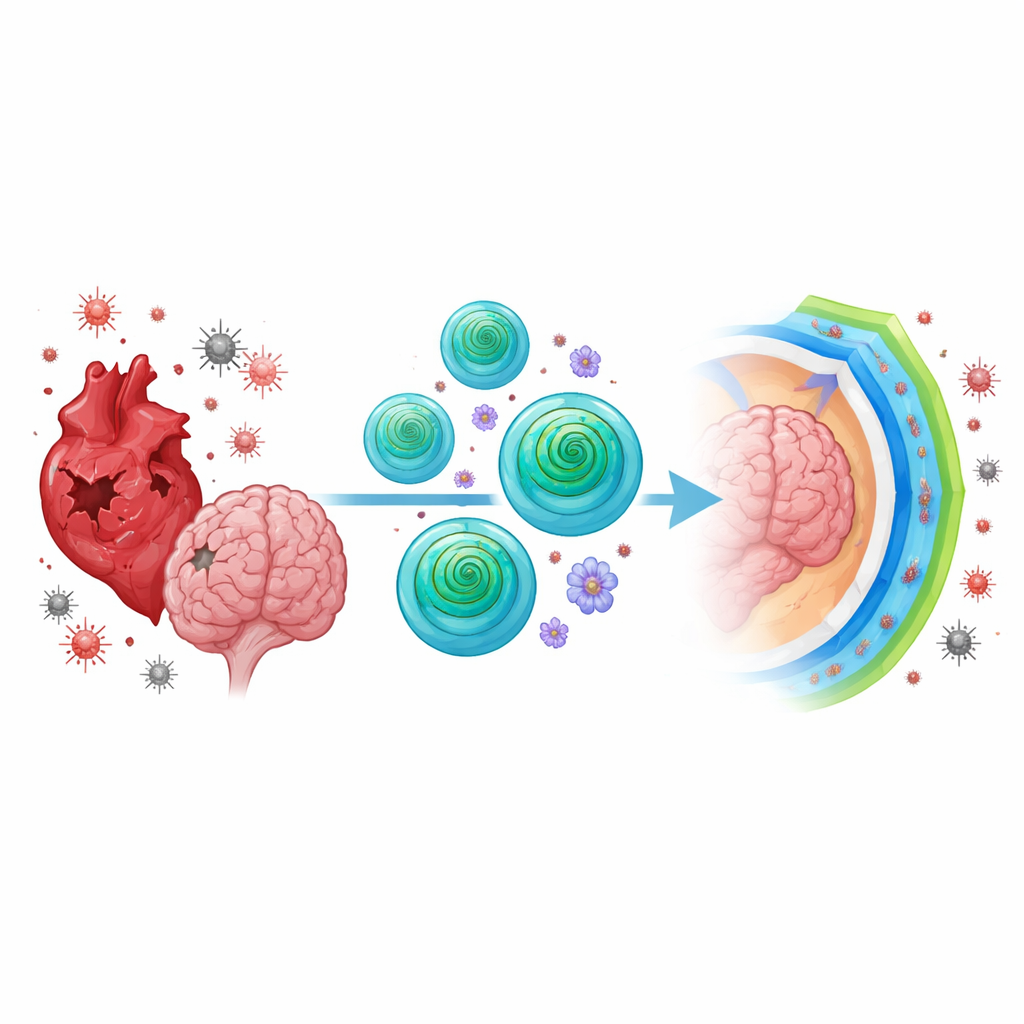
Rats that received cyclophosphamide alone showed clear signs of harm. Their red blood cell counts dropped, pointing to anemia, and white blood cell changes suggested stress on the immune system. A heart damage marker, CK-MB, rose sharply, and heart and brain tissues showed higher levels of oxidative stress signals, along with lower levels of protective antioxidants such as glutathione and superoxide dismutase. NF-kappa B activity increased, reflecting heightened inflammation. Under the microscope, the spleen had shrunken immune cell areas and congested blood spaces, the heart muscle showed dying fibers and damaged vessels, and the brain displayed degenerating nerve cells and disturbed structure.
Protection with Echinacea, Spirulina, and niosomes
All of the groups that received Spirulina, Echinacea, or their combinations were better off than the cyclophosphamide-only group. Blood counts moved closer to normal, and CK-MB levels fell, especially in animals given Echinacea alone or together with Spirulina or Spirulina niosomes. In heart and brain tissues, damaging oxidative markers decreased while antioxidant defenses were restored. NF-kappa B activity dropped in treated groups, suggesting that the natural products helped calm the inflammatory response. Microscopic examination supported these results: spleen, heart, and brain tissues from treated animals showed fewer structural defects, with the combination of Echinacea and Spirulina in niosomes often giving the most pronounced protection.
What this could mean for future cancer care
To a layperson, these findings suggest that certain natural supplements, especially when carefully formulated, might help the body weather some of the collateral damage caused by a powerful chemotherapy drug. In rats, Echinacea and Spirulina, with the niosome form of Spirulina showing added benefit, reduced chemical stress, quieted inflammation, and preserved organ structure in the spleen, heart, and brain. While this does not prove that the same effects will occur in people, it points to a potential strategy in which plant-based products are used alongside chemotherapy to lessen toxicity, an idea that will need careful testing in human studies before it can influence clinical practice.
Citation: Ramadan, S.M., Gamal, A., Hassan, N.EH.Y. et al. Ameliorative effects of Spirulina platensis niosome and Echinacea purpura on cyclophosphamide-induced splenic, cardiac and neurotoxicity via modulating NF-κB pathway and oxidative stress. Sci Rep 16, 14726 (2026). https://doi.org/10.1038/s41598-026-51198-3
Keywords: cyclophosphamide toxicity, Spirulina, Echinacea, oxidative stress, NF-kappa B