Clear Sky Science · en
Anti-diabetic potential of Artemisia monosperma Delile extract related to anti-inflammatory, antioxidant, and wound-healing properties
Why this desert plant matters for everyday health
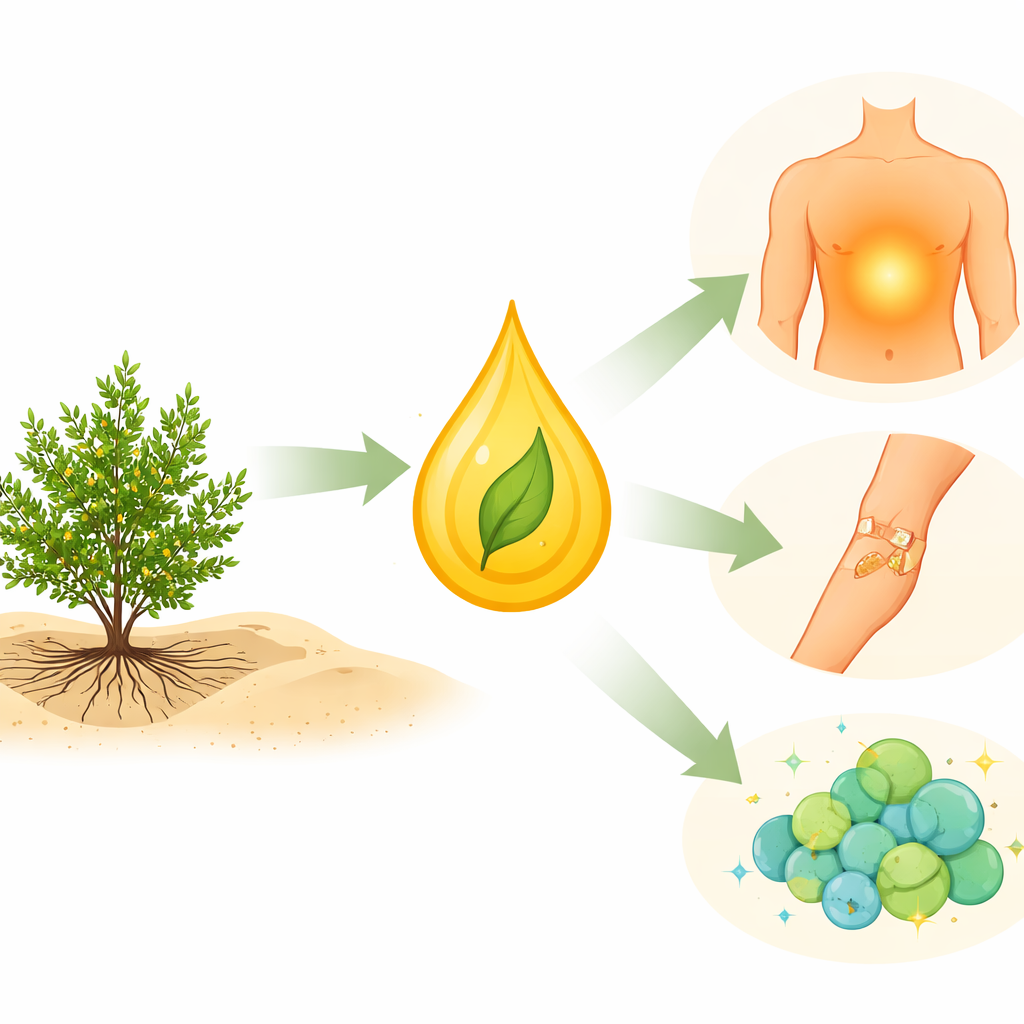
Diabetes is rising worldwide, and many people live with chronic wounds, inflammation, and stress on their bodies from high blood sugar. Modern drugs help, but they can be costly and cause side effects. This study explores a traditional desert shrub, Artemisia monosperma, long used as a folk remedy, to see whether its natural chemicals can help control blood sugar, calm inflammation, fight harmful oxygen molecules, and even speed skin repair. The work combines animal experiments, cell tests, and computer modeling to ask whether this plant could one day support safer, more affordable care for people with diabetes.
A hardy shrub with a healing reputation
Artemisia monosperma grows in arid regions such as Egypt’s deserts and has been used by local communities for stomach troubles, fevers, and diabetes, as well as in skin remedies and herbal teas. Scientists suspected that its power comes from polyphenols, a broad family of plant compounds known for their antioxidant and anti-inflammatory actions. In this study, researchers prepared an alcohol–water extract from the aerial (above-ground) parts of the plant and removed its fatty components. Using advanced chemical analysis, they mapped 25 main ingredients, including several phenolic acids, flavonoids, and related molecules that are commonly linked to health benefits in many medicinal plants.
Lowering blood sugar in living animals
To see whether the extract could blunt spikes in blood sugar, the team first gave normal rats a heavy sugar load and measured how their blood glucose changed over two hours. Rats that received the highest dose of the plant extract before the sugar challenge showed a clear reduction in overall sugar exposure, nearly matching the effect of a standard diabetes drug, gliclazide. The researchers then moved to a tougher test: rats fed a high‑fat diet and given a low dose of a pancreas‑damaging chemical to mimic human type 2 diabetes. In these animals, the higher dose of the extract improved the body’s ability to handle a glucose load, cutting blood sugar levels by about a quarter—again similar to the reference drug. A brief safety check in rats suggested that these doses were well tolerated.
Soothing inflammation and helping skin to mend
Diabetes is not just about sugar; it also fuels long‑lasting inflammation and poor wound healing. In immune cells grown in the lab and triggered with bacterial components, the extract sharply lowered the activity of two key inflammatory markers, TNF‑α and C‑reactive protein, with one of them dropping even more than in cells treated with an approved anti‑inflammatory medicine. In human skin‑like cells, a scratch test was used to mimic a wound. After 24 hours, cells exposed to the plant extract had closed nearly four‑fifths of the gap, compared with just over half in untreated cells, suggesting faster cell migration and tissue repair. These findings support the plant’s traditional use on skin and hint that it might aid slow‑healing wounds in diabetes.
Fighting harmful molecules and targeting key proteins
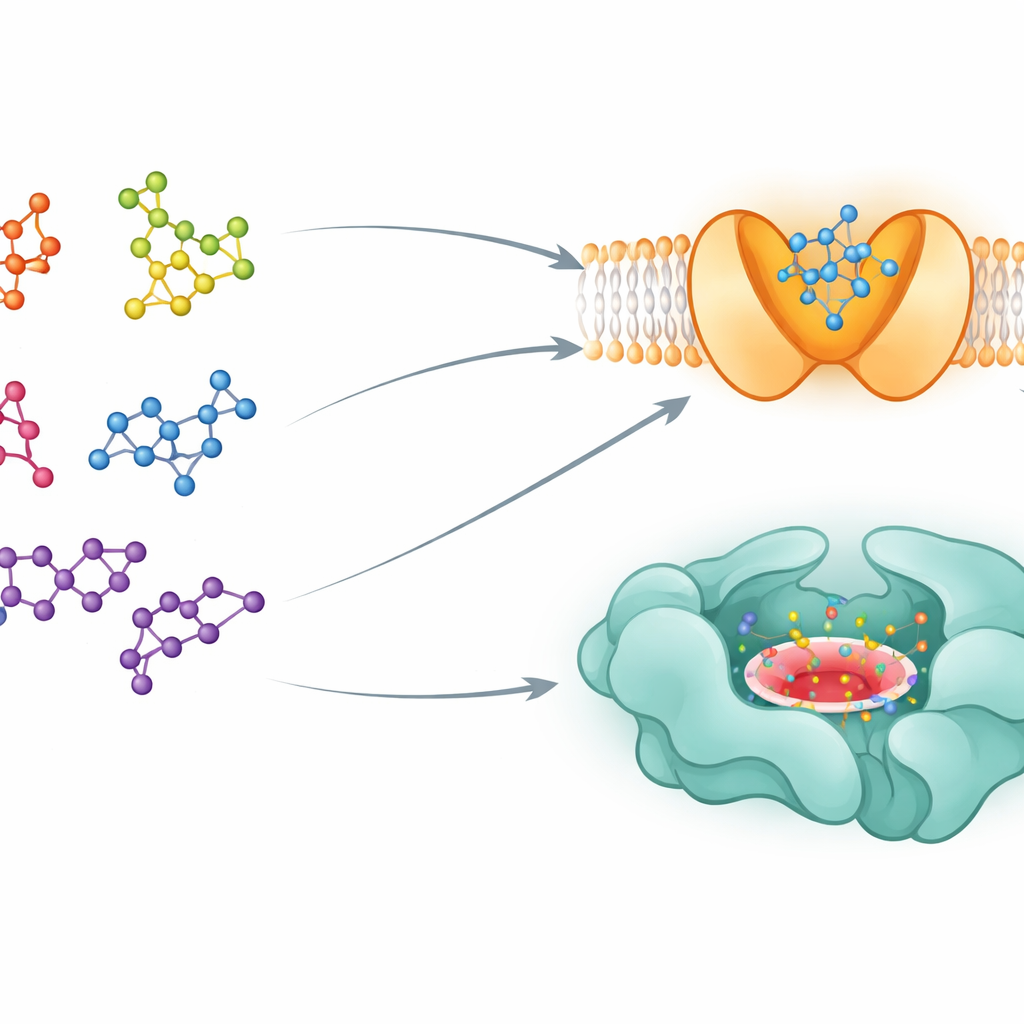
Because long‑term high blood sugar floods the body with reactive oxygen species—damaging forms of oxygen—the researchers tested how well the extract could neutralize several types of free radicals. The plant preparation efficiently scavenged superoxide and also showed good activity against other test radicals, in some cases rivaling or surpassing vitamin C. To probe deeper, the team used computer docking, a method that virtually "fits" plant molecules into three‑dimensional models of human proteins. Many of the identified compounds were predicted to bind tightly to two important targets: a protein that helps regulate insulin release in the pancreas (SUR1) and an enzyme that produces large amounts of nitric oxide during inflammation (iNOS). Several plant molecules attached more strongly to these targets than the standard reference drugs in the models, suggesting they might enhance insulin secretion or temper excessive inflammatory signaling.
What this could mean for future treatments
Altogether, the study paints Artemisia monosperma as a multi‑talented plant: its extract lowered blood sugar in diabetic rats, calmed inflammatory signals, sped up skin cell repair, and neutralized damaging molecules in test systems. Computer models further suggest that specific ingredients may act directly on proteins tied to insulin release and inflammatory damage. For now, these results are early‑stage and limited to animals, cells, and simulations. More work, including rigorous toxicity testing and human studies, is needed before the plant could be safely used as a therapy. Still, this desert shrub offers a promising example of how traditional remedies may inspire modern, multi‑target approaches to managing diabetes and its complications.
Citation: Atya, H.B., Mady, M.S., Nosseir, O. et al. Anti-diabetic potential of Artemisia monosperma Delile extract related to anti-inflammatory, antioxidant, and wound-healing properties. Sci Rep 16, 14431 (2026). https://doi.org/10.1038/s41598-026-50561-8
Keywords: diabetes, medicinal plants, antioxidants, inflammation, wound healing