Clear Sky Science · en
Patient-related diagnostic delay and risk of unfavorable treatment outcomes among pulmonary tuberculosis patients at the antituberculosis center of Brazzaville, Republic of Congo
Why timing matters for a lung infection
Tuberculosis is an age-old lung infection that still kills more people each year than any other single infectious disease. This study from Brazzaville in the Republic of Congo asks a simple but vital question: how long do people wait before seeking help when they develop symptoms, and does that delay make their treatment less likely to succeed? The answers shed light on how distance, everyday life, and awareness can shape the course of a deadly yet curable disease.
Living with symptoms before seeking help
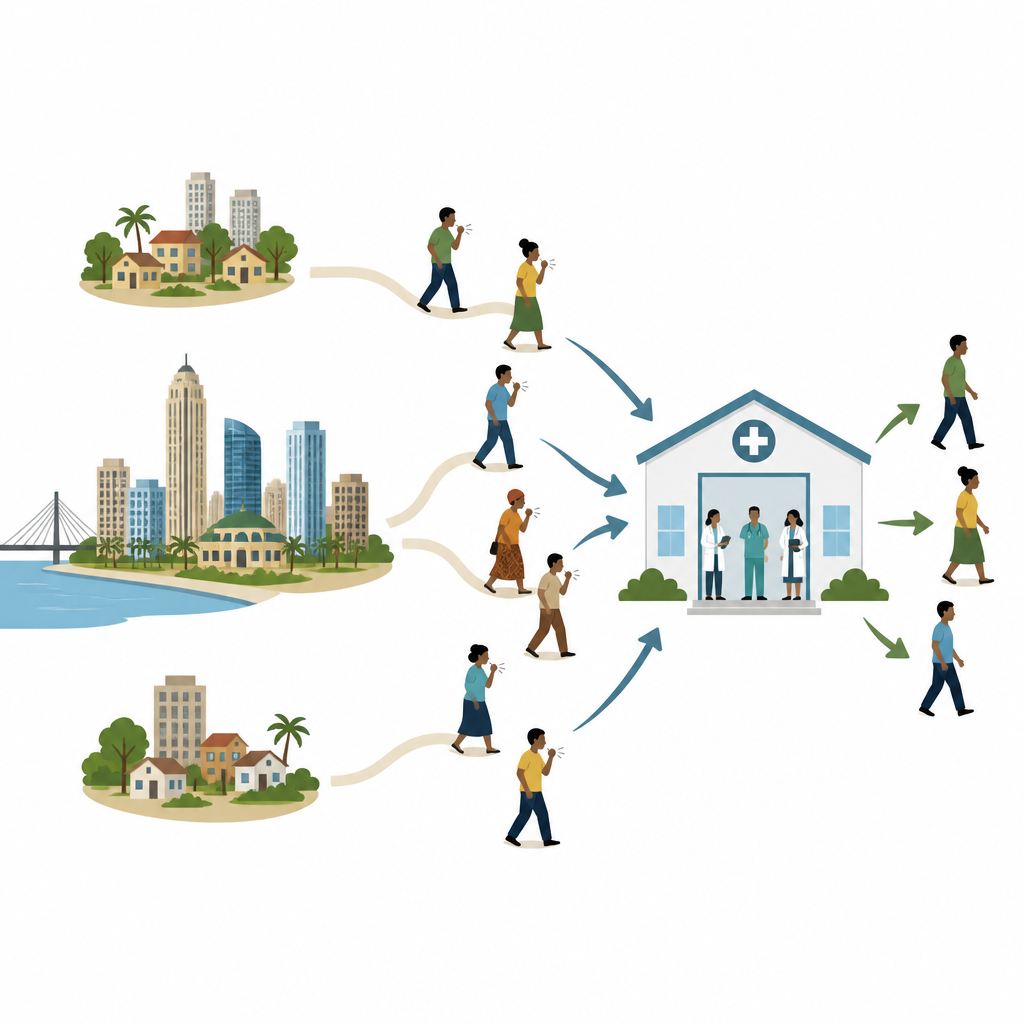
Researchers followed 313 people with confirmed lung tuberculosis who were treated at Brazzaville’s main tuberculosis center between mid-2023 and mid-2024. Most patients were young or middle aged adults, and nearly seven in ten were men. Although tests and medicines are available free of charge at public clinics, many people did not come in quickly when they first noticed a persistent cough, fever, chest pain, weight loss, or night sweats. On average, a month passed between the first symptoms and the first visit to the center, and some people waited far longer, in a few cases up to two years.
Who waits the longest
To understand what drives these delays, the team compared patients by age, sex, schooling, job status, HIV infection, and home district within the city. They found that where people lived mattered more than who they were. Patients from Mfilou, a district on the edge of Brazzaville, were about three times more likely to have long delays than those from a central district. The long distance to the specialized center, travel costs, and weaker links to health services likely play a role. In contrast, people with diabetes tended to come sooner, perhaps because they have regular contact with health workers or because their symptoms worsen faster. Other factors, such as education level or HIV status, did not clearly change how quickly people sought care.
What delay means for treatment results
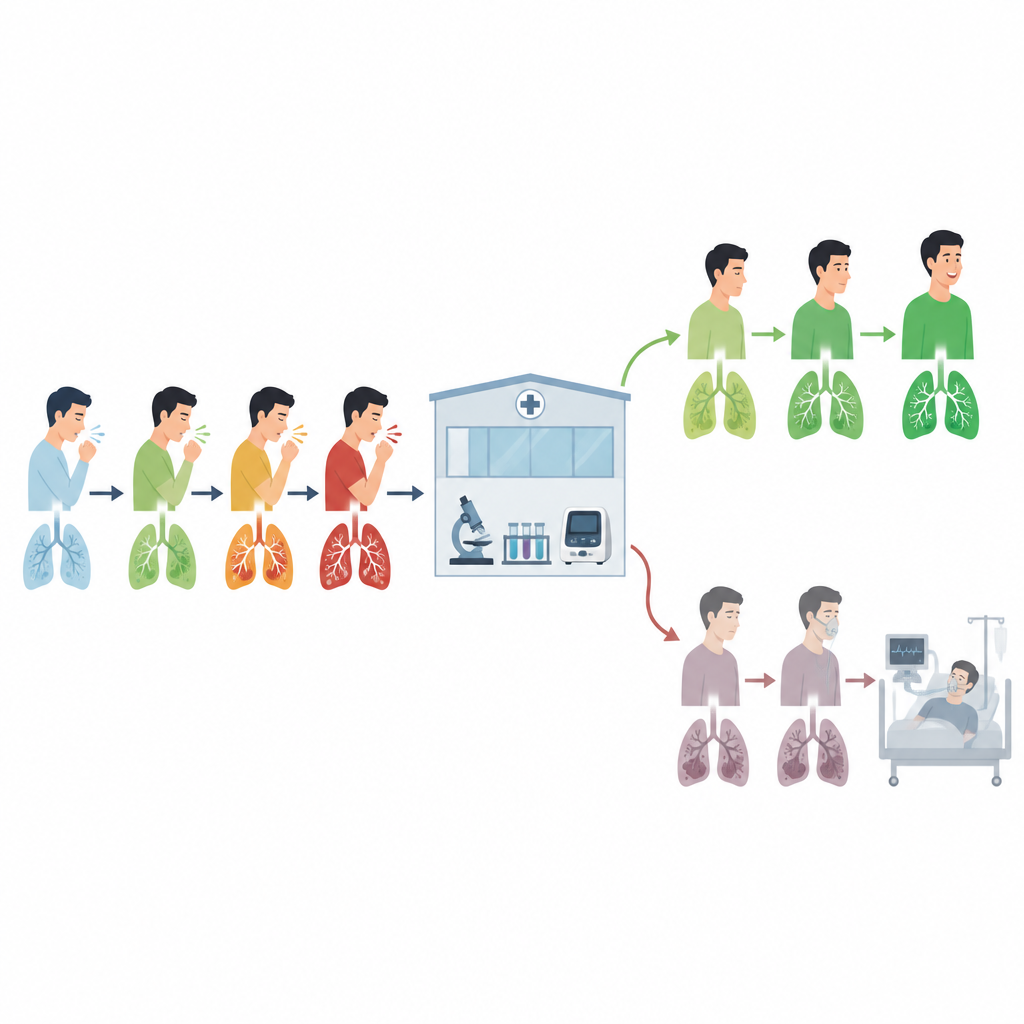
The study also tracked how patients fared once they started treatment. Overall, most people were either cured or completed their full course of medicine, whether they came early or late. However, those who waited more than 30 days before seeking help showed worrying patterns. Among these late presenters, deaths and treatment failures were more frequent than among those who came sooner. The differences were not strong enough in this relatively small group to be certain that delay alone caused them, but the trend fits with what doctors see elsewhere: the longer an infection is left to smolder, the more damage it can cause and the harder it can be to reverse.
Barriers beyond the clinic doors
Because diagnosis and drugs are free in Congo, the main barrier uncovered by this study lies before patients ever reach the clinic. Self-diagnosis, traditional remedies, fear of stigma, and the simple challenge of finding time and money to travel from far districts all likely add days or weeks to the clock. The researchers could not measure all these personal and social factors directly, and they relied on patients’ memories to date the start of symptoms, which can be imperfect. Even so, their findings point toward the same weak link: getting from the first cough to the first clinical visit remains too slow for many people.
What this means for everyday life
For a layperson, the message is clear. Tuberculosis is treatable, but every extra week of delay gives the bacteria more time to harm the lungs and spread to others at home, at work, and on crowded buses. In Brazzaville, many people wait about a month before seeking care, and those living in outer districts are especially at risk of waiting too long. The study suggests that bringing services closer to neighborhoods, raising awareness of early warning signs, and encouraging people with lasting coughs to get checked promptly could save lives and reduce transmission, even before any new drugs or tests are introduced.
Citation: Ngouama, B.B., Dello, M.N.M., Mouzinga, F.H. et al. Patient-related diagnostic delay and risk of unfavorable treatment outcomes among pulmonary tuberculosis patients at the antituberculosis center of Brazzaville, Republic of Congo. Sci Rep 16, 16007 (2026). https://doi.org/10.1038/s41598-026-50300-z
Keywords: tuberculosis, diagnosis delay, Brazzaville, treatment outcomes, public health